What Is Soft Brutalism? 9 Ways to Bring Architectural Warmth Into Your Home
Brutalism is rarely associated with comfort. Its imposing concrete structures, monumental proportions and unapologetically raw materials have traditionally divided opinion. But what happens when that architectural severity meets soft furnishings, warm colours and natural textures?
Enter Soft Brutalism.
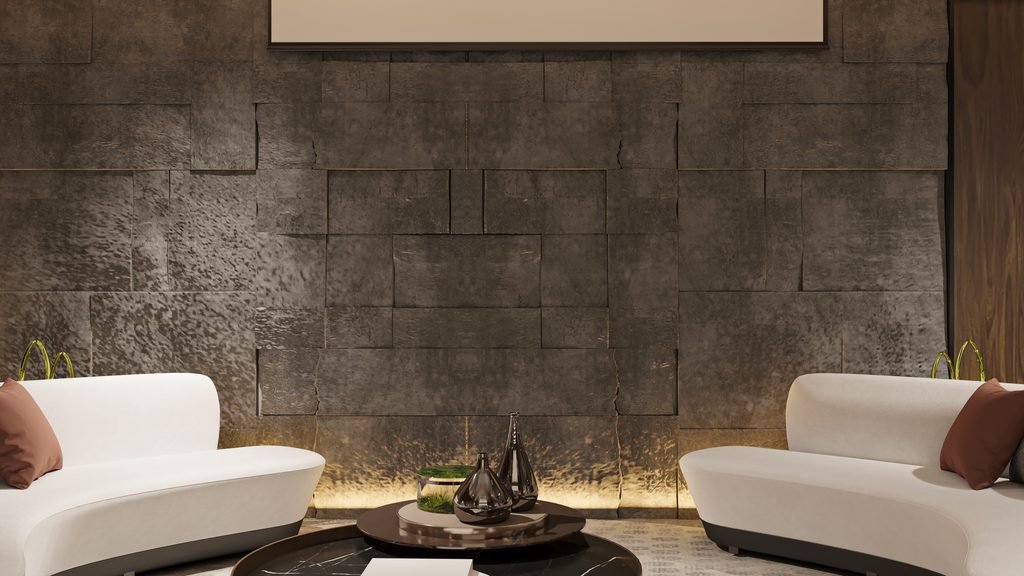
This contemporary approach to interior design retains the architectural honesty of traditional Brutalism while introducing a quieter, more welcoming atmosphere. Think sculptural furniture, textured plaster, oversized sofas, warm timber and beautifully restrained spaces.
Rather than concealing the raw character of a building, Soft Brutalism celebrates it — balancing architectural strength with a surprisingly intimate sense of comfort.
For those drawn to the understated elegance of European architecture but looking for something less conventional than traditional minimalism, Soft Brutalism offers a compelling alternative.
What Is Soft Brutalism Interior Design?
Soft Brutalism is a contemporary interpretation of Brutalist architecture, a movement that emerged in the mid-20th century and became associated with exposed concrete, geometric forms and structural simplicity.
The term describes an evolving interior design aesthetic rather than a formal historical movement.
Where traditional Brutalism embraces uncompromising materials and monumental forms, Soft Brutalism introduces warmth through organic shapes, tactile fabrics, natural timber and earthy colour palettes.
It shares elements with contemporary minimalism, wabi-sabi and organic modernism but retains a stronger architectural identity.
The result is an interior that feels substantial without being oppressive, minimalist without feeling empty, and luxurious without relying on ornamentation.
Here are nine ways to introduce this distinctive aesthetic into your own home.
1. Embrace Concrete and Textured Plaster
Concrete remains one of the defining materials of Brutalist design, but it doesn’t need to feel cold or industrial.
Warm-toned concrete, limewash, microcement and textured plaster can create beautifully understated surfaces that change in appearance throughout the day as natural light moves across them.
Rather than aiming for perfectly smooth walls, embrace subtle imperfections, tonal variations and natural finishes.
A textured plaster feature wall or concrete fireplace surround can introduce the architectural character of Soft Brutalism without requiring a complete renovation.
2. Choose Sculptural, Low-Profile Furniture
Furniture in a Soft Brutalist interior often feels almost architectural in its own right.
Low-slung sofas, substantial coffee tables, oversized armchairs and block-like furniture pieces create a sense of permanence and visual weight.
Look for pieces with generous proportions, simple silhouettes and minimal decorative detailing.
A deep, upholstered sofa paired with a solid stone coffee table can achieve the perfect balance between architectural strength and everyday comfort.
The furniture should feel considered rather than crowded, with enough surrounding space to appreciate its form.
3. Build a Warm, Earthy Colour Palette
Traditional Brutalism is often associated with cool greys, but its softer counterpart embraces a considerably warmer palette.
Consider shades such as:
- Warm taupe
- Mushroom
- Sandstone
- Oatmeal
- Terracotta
- Tobacco brown
- Charcoal
- Warm ivory
These colours complement concrete and stone while preventing a room from feeling stark.
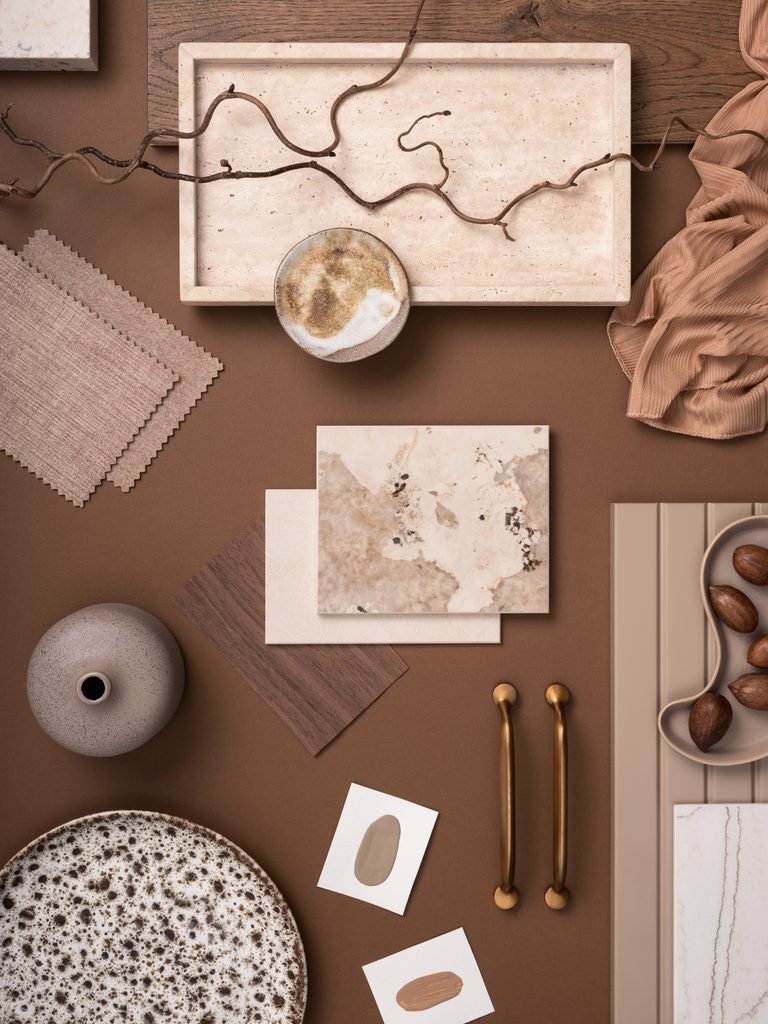
Rather than introducing dramatic contrasts, experiment with different shades of the same colour family. Layering warm neutrals creates depth while maintaining the calm, cohesive atmosphere that defines the aesthetic.
4. Introduce Curves to Soften Architectural Lines
One of the most effective ways to soften the geometric rigidity of Brutalist architecture is through curved furniture and organic forms.
Rounded sofas, cylindrical side tables, curved armchairs and arched openings provide a gentle contrast to angular walls and rectangular architectural details.
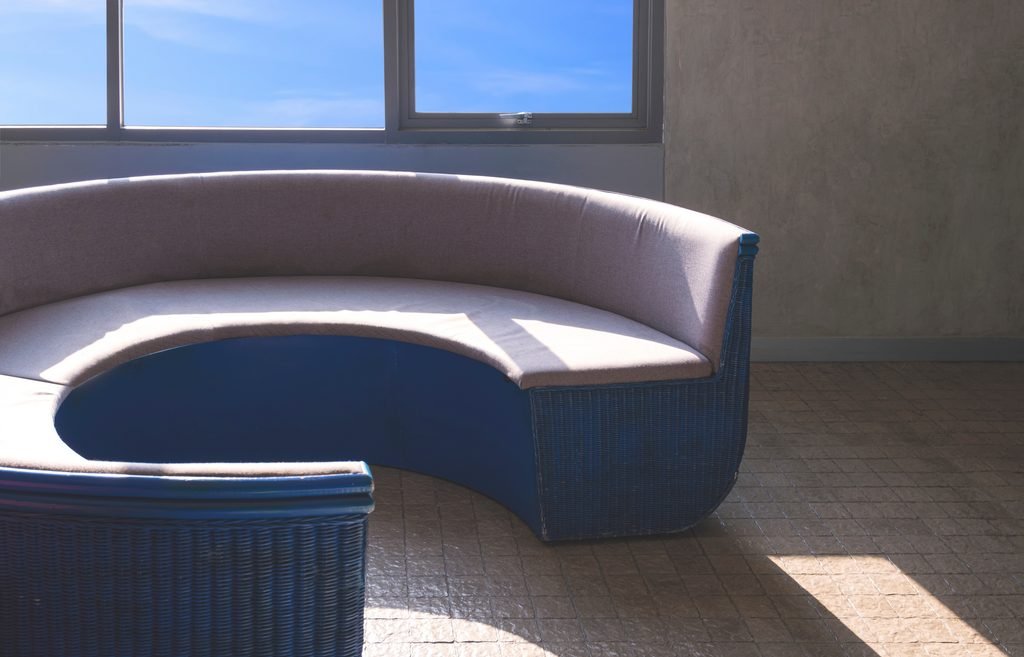
The juxtaposition is particularly effective in minimalist spaces, where each individual shape becomes more noticeable.
A single curved sofa against a concrete wall can transform the entire mood of a room, introducing softness without compromising its architectural character. For a grander take on that silhouette, look at the rounded seating in Europe’s Art Deco hotels.
5. Balance Raw Materials With Natural Timber
Timber introduces an organic warmth that beautifully complements concrete, plaster and natural stone.
Rather than highly polished or decorative finishes, choose timber that celebrates its natural grain and texture.
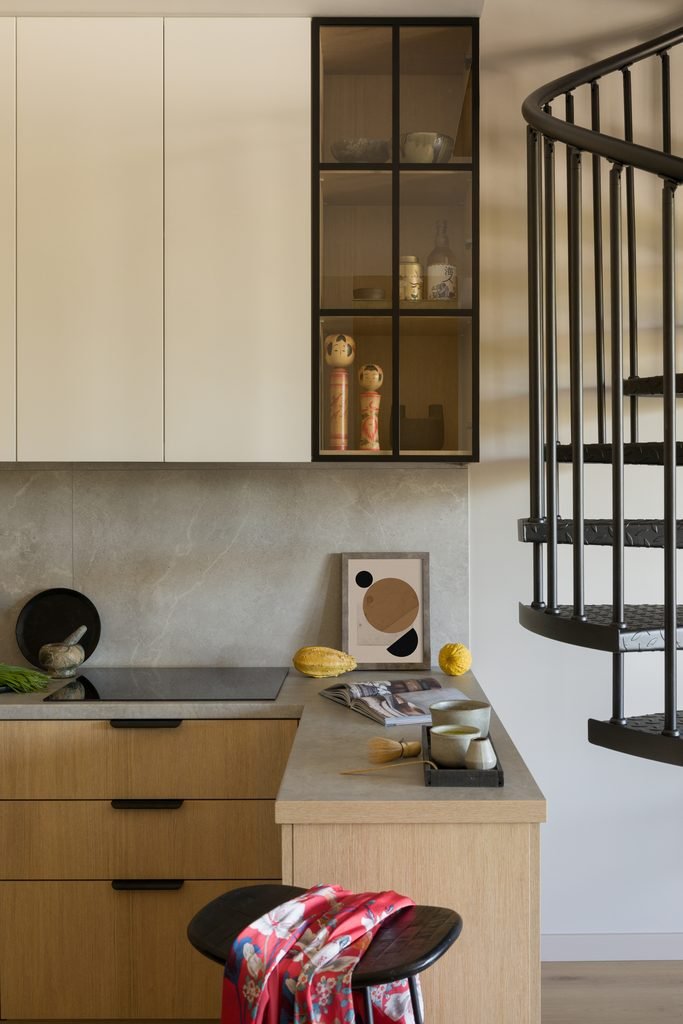
Dark oak, walnut and smoked timber are particularly effective in creating a sophisticated, grounded atmosphere, while lighter oak can make smaller rooms feel more open.
Consider incorporating timber through cabinetry, wall panelling, dining tables or architectural joinery.
The contrast between the cool solidity of concrete and the natural character of wood is one of Soft Brutalism’s most appealing combinations.
6. Layer Tactile Fabrics and Natural Textures
Soft Brutalism relies heavily on texture to create comfort without introducing excessive decoration.
Bouclé, brushed wool, linen, suede and textured cotton all work beautifully against harder architectural surfaces.

An oversized wool rug can soften a concrete floor, while relaxed linen curtains introduce movement and filter natural light.
The key is to choose fabrics that feel substantial and authentic rather than overly polished.
When working within a restrained colour palette, contrasting textures become particularly important. They provide the visual interest that might otherwise come from patterns, ornaments or bold colours.
7. Make Natural Stone a Statement
Travertine, limestone and marble bring a refined, organic quality to Soft Brutalist interiors.
Their natural markings and subtle imperfections complement the movement’s appreciation for authentic materials.
A monolithic travertine coffee table, carved stone basin or substantial limestone kitchen island can become a sculptural focal point without additional decoration.
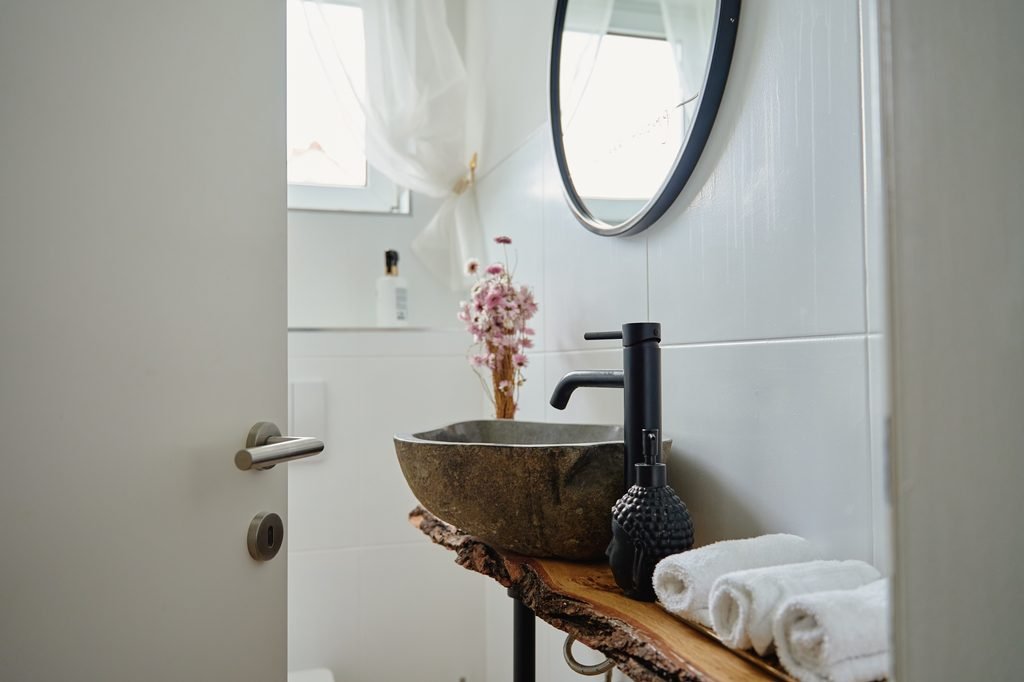
Honed and matte finishes are particularly effective, allowing the natural character of the stone to take centre stage.
Even a single well-chosen stone furniture piece can introduce a sense of architectural luxury into an otherwise simple room. A marble side table, as seen in Italian modern interiors, brings that idea down to apartment scale.
8. Use Lighting to Create Architectural Atmosphere
Lighting plays an important role in transforming raw architectural spaces into inviting interiors.
Rather than relying entirely on overhead lighting, introduce multiple sources of soft, indirect illumination.
Recessed lighting, illuminated wall niches, sculptural floor lamps and understated wall sconces can highlight the texture of concrete, plaster and stone.
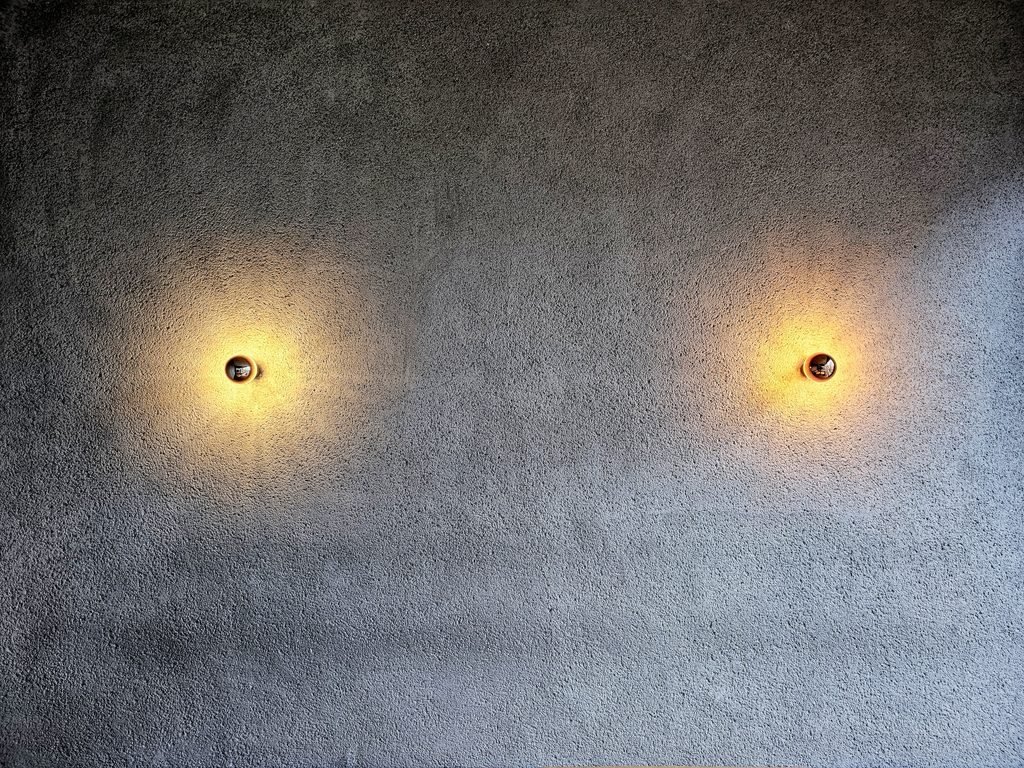
Warm lighting temperatures help soften harder surfaces, particularly in the evening, when these interiors can take on an almost cinematic atmosphere.
Allow shadows to become part of the design rather than trying to eliminate them entirely. For a darker version of this idea, see how Nordic Noir interiors layer warm light against charcoal walls.
In a Soft Brutalist interior, the way light interacts with materials can be just as important as the materials themselves.
9. Celebrate Negative Space and Architectural Simplicity
Perhaps the most important element of Soft Brutalism is knowing when to stop.
These interiors rarely depend on extensive collections of decorative objects. Instead, they allow materials, proportions and individual furniture pieces to command attention.
A large ceramic vessel, an abstract artwork or a single sculptural chair can have greater impact than a room filled with accessories.
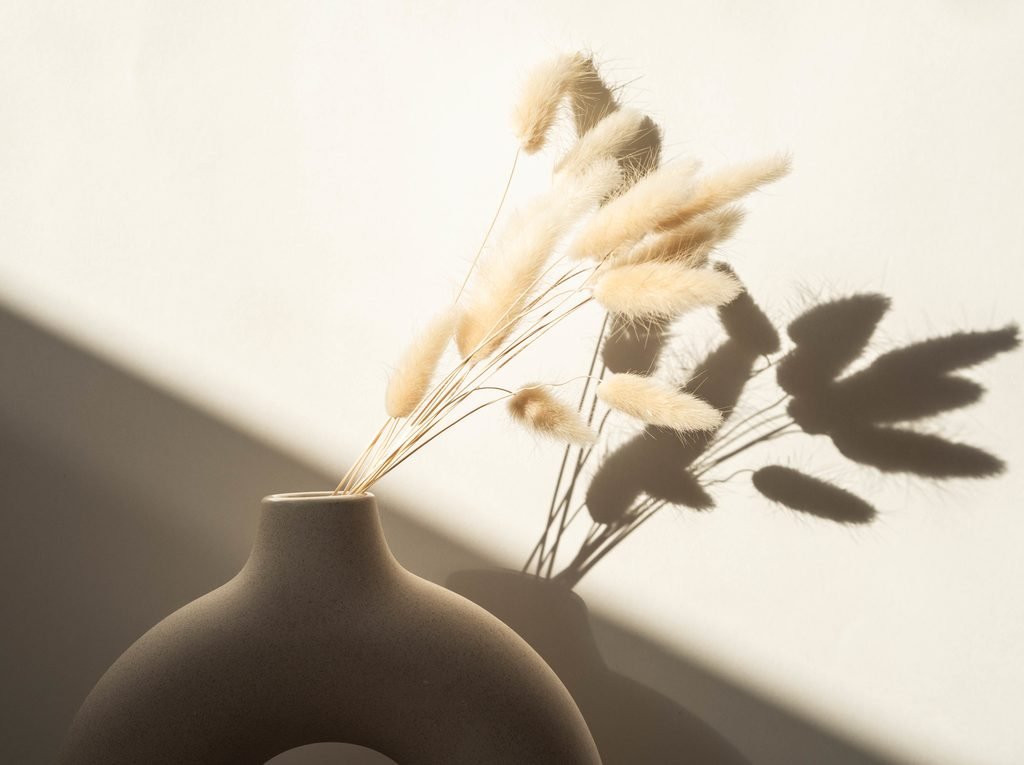
Leave areas of wall uninterrupted, resist the temptation to fill every corner and allow furniture to breathe.
This deliberate restraint creates a sense of calm and gives even relatively modest spaces a more architectural presence.
Soft Brutalism vs. Organic Modernism
Although the two aesthetics share warm neutrals, natural materials and minimalist principles, their emphasis is slightly different.
Organic modernism tends to favour flowing forms, lighter timber, natural fibres and a connection to the outdoors.
Soft Brutalism places greater emphasis on architectural mass, substantial furniture, raw surfaces and the relationship between geometric and organic forms.
Where organic modernism might feel airy and relaxed, Soft Brutalism often feels grounded, contemplative and more dramatically architectural.
Both can coexist beautifully, particularly in contemporary homes that combine natural materials with strong structural features.
How to Achieve Soft Brutalism Without Renovating
You don’t need exposed concrete walls or a purpose-built architectural home to embrace this aesthetic.
Start with a few carefully considered changes:
- Introduce a textured plaster or limewash finish.
- Replace lightweight furniture with more substantial, sculptural pieces.
- Choose a warm, tonal colour palette.
- Add an oversized natural-fibre or wool rug.
- Incorporate stone and timber accessories.
- Replace harsh overhead lighting with warm, layered illumination.
- Remove unnecessary decorative clutter.
The aim isn’t to recreate a Brutalist building but to introduce the relationship between architectural strength and tactile comfort that makes this aesthetic so distinctive.
The Quiet Beauty of Soft Brutalism
In a world where interiors are increasingly filled with competing colours, patterns and decorative trends, Soft Brutalism offers something refreshingly different.
It finds beauty in weight, texture, simplicity and imperfection. It demonstrates that concrete can feel comforting, that minimalism can feel warm, and that architectural drama doesn’t necessarily require elaborate ornamentation.
There is something quietly luxurious about a room that depends on the quality of its materials rather than the quantity of its possessions.
And perhaps that is the greatest appeal of Soft Brutalism: an interior can feel both monumental and deeply personal at the same time.
Britt & Tyler
We’re Britt and Tyler, the two Australians behind Cocktails & Cathedrals. We’re drawn to old buildings, beautiful rooms, bookshops and places that seem to hold a story. Our journal brings those interests together, with a fondness for slow afternoons and a well-made cocktail. We hope it helps you find places you’ll want to linger.
Travel slowly. Stay beautifully.
A little more about us →