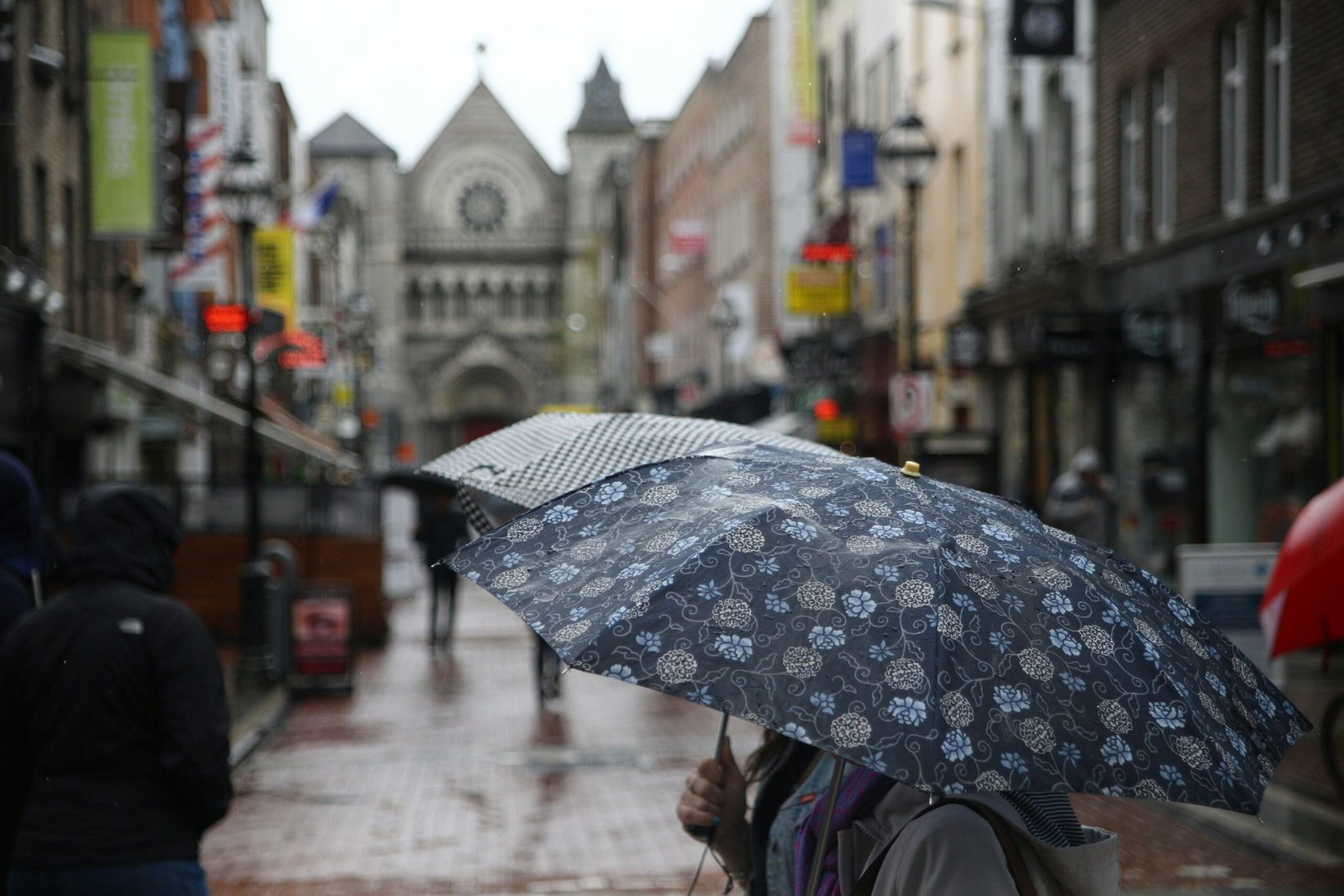
How to Spend 48 Hours in Literary Dublin
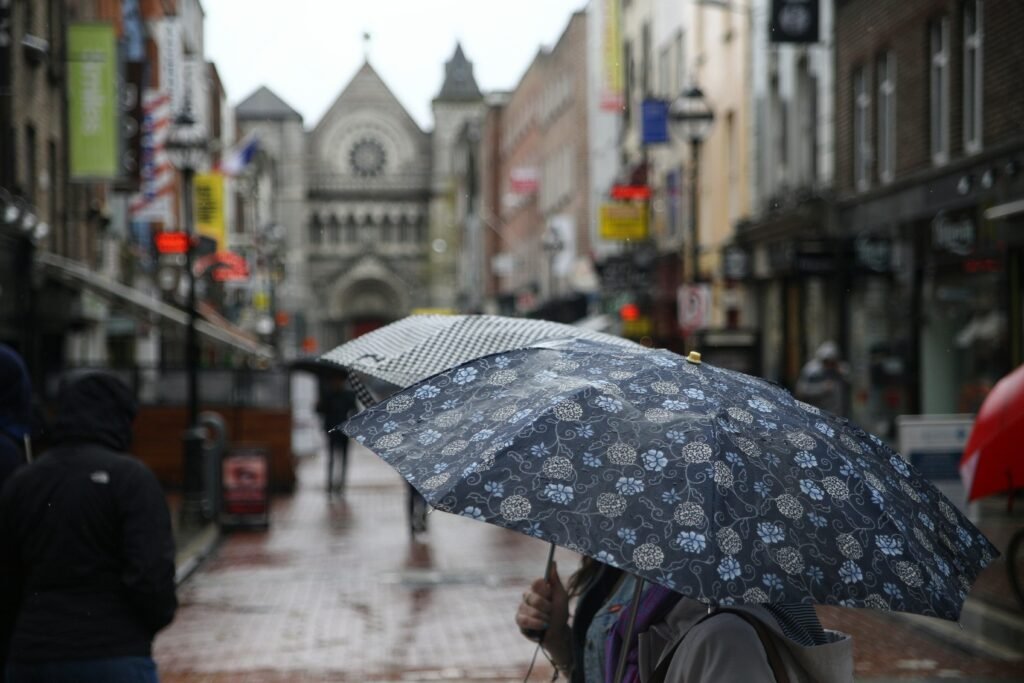
Old Bookshops, Writers’ Pubs, Oscar Wilde and a Little James Joyce
There are cities with literary histories, and then there is Dublin.
For a relatively small capital, Dublin has produced an almost ridiculous number of writers: Oscar Wilde, James Joyce, W.B. Yeats, Samuel Beckett, George Bernard Shaw, Bram Stoker, Jonathan Swift, Seamus Heaney and plenty more besides.
Dublin became a UNESCO City of Literature in 2010, and its literary culture is not something that has simply been preserved behind glass. Bookshops, theatres, libraries, readings and literary events remain woven through everyday life in the city.
Which is what makes Dublin particularly good for a literary weekend.
You do not need to spend two days dutifully reading plaques attached to buildings where somebody important once rented an upstairs room.
You can wander through Georgian squares, disappear into old bookshops, have a pint in a pub where Joyce or Beckett once drank, visit one of the world’s most beautiful libraries and buy a slightly peculiar bar of lemon soap because a fictional character bought one there in 1904.
And somehow, none of it feels particularly forced.
Here is how I would spend 48 hours in literary Dublin.
Friday Evening: Begin in a Pub, Obviously
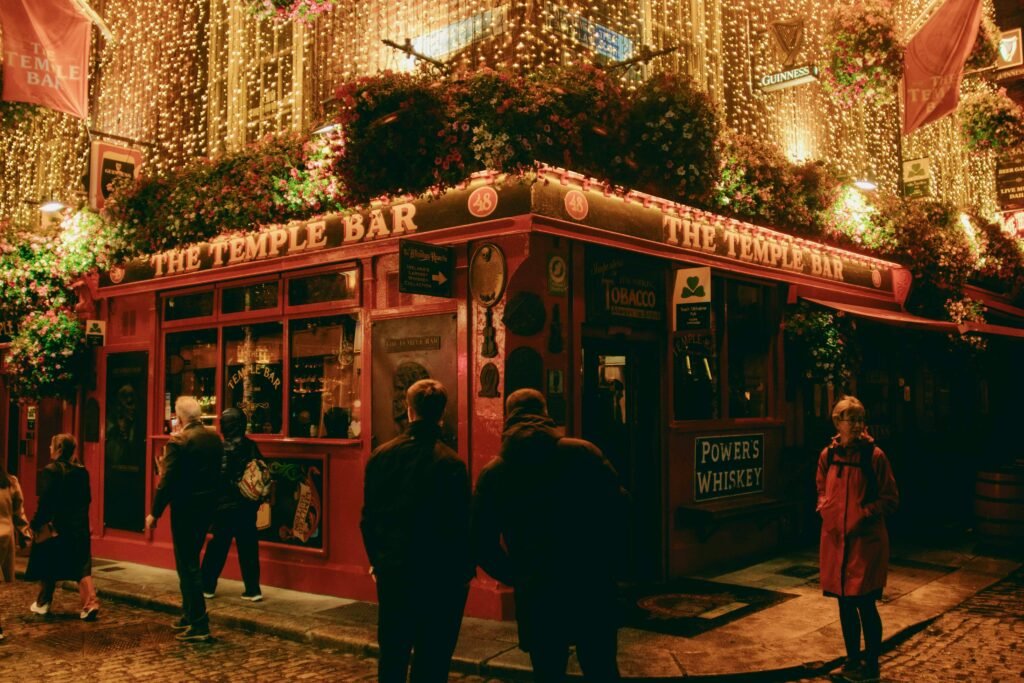
There is probably no respectable way to begin a literary weekend in Dublin other than with a drink.
Irish literary history has a rather enthusiastic relationship with pubs. Writers wrote in them, argued in them, borrowed money in them and occasionally became almost as famous for drinking in them as they were for the books.
But I would resist the temptation to turn Friday night into an exhaustive crawl of every pub with a literary connection.
This is a weekend, not a dissertation.
Instead, find yourself somewhere old, dark and comfortably Dublin and settle in.
If you want a genuine Joycean connection, Davy Byrne’s on Duke Street is one of the obvious places to start. It appears in Ulysses, where Leopold Bloom stops for a gorgonzola sandwich and a glass of burgundy. More than a century later, both remain very much part of the pub’s literary identity.
Yes, it is famous.
Yes, you will probably find other tourists there.
And yes, sometimes the famous thing is famous for a reason.
Have the sandwich if you feel like committing fully to the theme.
Then go somewhere else for another drink.
Literary tourism should never become so earnest that you forget you are actually in Dublin.
Saturday Morning: Trinity College Before Everyone Else Has the Same Idea
Start Saturday at Trinity College.
The university has connections with an extraordinary number of Irish writers, but Oscar Wilde is particularly relevant to our weekend. Wilde studied Classics here before heading to Oxford, and the university sits only a short walk from the streets where he grew up.
The main reason most visitors come, though, is the Old Library and the Book of Kells.
And while the Book of Kells is undoubtedly extraordinary, the room that tends to stop people in their tracks is the Long Room.
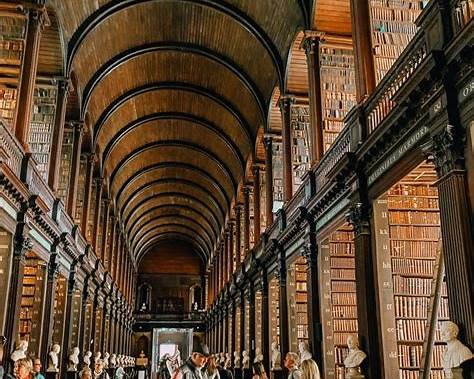
Dark timber bookcases stretch beneath that enormous barrel-vaulted ceiling, marble busts line the central walkway, and for a few minutes you get to pretend that this is simply what libraries look like when civilisation is functioning correctly.
It is very grand.
It is also one of those rare heavily photographed places that remains genuinely impressive when you stand inside it.
Give Trinity some time rather than rushing through merely to acquire the photograph.
Then walk out toward Lincoln Place.
Because things are about to get considerably stranger.
Late Saturday Morning: Buy a Bar of Soap Because James Joyce Said So
Only a few minutes from Trinity is one of my favourite kinds of historic place: somewhere that seems to have accidentally survived.
Sweny’s Pharmacy opened in the nineteenth century and later achieved literary immortality through Ulysses.
In the novel, Leopold Bloom enters Sweny’s and buys a bar of lemon-scented soap.
The shop is no longer a functioning pharmacy, but remarkably, the Victorian interior survives. It is now volunteer-run, filled with books and Joyce memorabilia, and hosts regular readings of Joyce’s work.
And yes.
They still sell the lemon soap.
This is exactly the sort of literary attraction I love.
It isn’t enormous.
It isn’t technologically immersive.
Nobody has turned Leopold Bloom into a hologram.
It is simply a slightly dusty old shop that appears in one of the most important novels ever written, still sitting more or less where Joyce expected you to find it.
Buy the soap.
You will inevitably spend the rest of your holiday opening your bag and wondering why it smells of lemons.
Then Walk Into Oscar Wilde’s Dublin
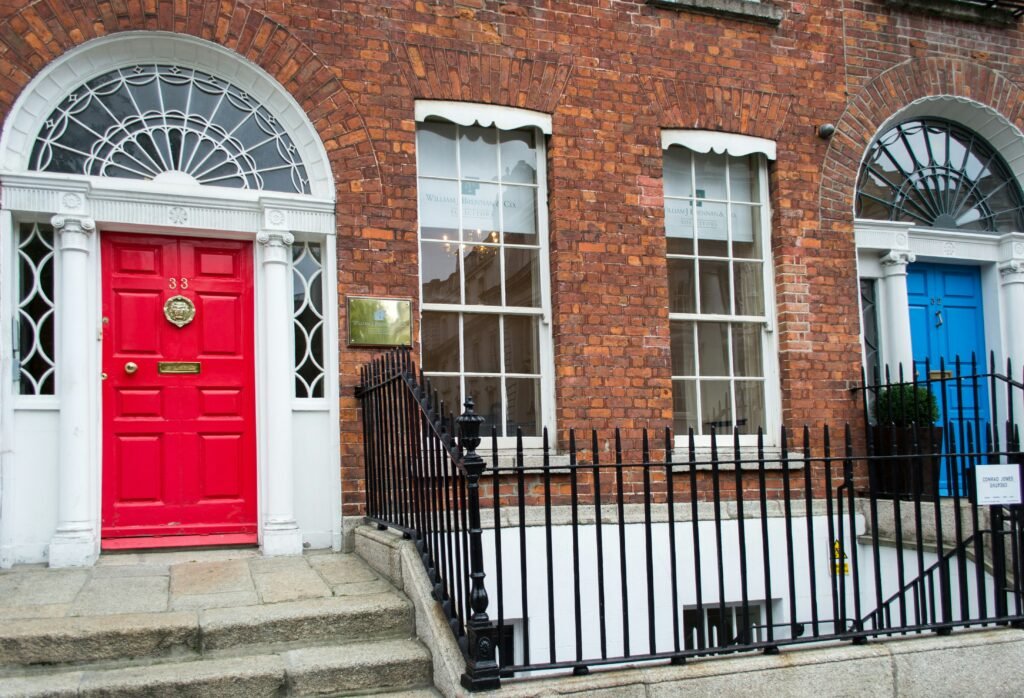
From Sweny’s, continue toward Merrion Square.
This is where literary Dublin suddenly becomes rather elegant.
Georgian houses surround the leafy square, their colourful doors and fanlights forming the sort of streetscape that makes you start calculating whether moving to Dublin is financially feasible.
It probably isn’t.
At one corner of the park you will find Oscar Wilde lounging on a large rock with precisely the degree of theatricality one would hope for from an Oscar Wilde statue.
Across the road stands 1 Merrion Square, Wilde’s childhood home.
Wilde was actually born nearby at 21 Westland Row, but his family later moved here. His father was a prominent surgeon and his mother, Jane Wilde, was herself a writer and poet who wrote under the name Speranza. The Merrion Square house became a gathering place for Dublin’s intellectual and cultural society.
Which feels appropriate.
Oscar Wilde was never really going to emerge from an inconspicuous household.
Spend some time wandering around the square.
Literary trips sometimes work best when you stop trying to find things.
Walk.
Look at the houses.
Sit in the park.
Imagine nineteenth-century Dublin passing through these streets.
Then find lunch.
Saturday Afternoon: Go to a Museum About Literature That Doesn’t Feel Like Homework
After lunch, head toward St Stephen’s Green and the Museum of Literature Ireland, usually shortened to MoLI.
This could easily have become the sort of museum you visit because you feel morally obliged to.
Fortunately, it isn’t.
MoLI explores Ireland’s storytelling tradition from its famous historical writers through to contemporary Irish literature, and one of its great treasures is a copy of the first edition of Ulysses.
But the real pleasure is seeing Irish writing presented as something alive rather than finished.
Because that is perhaps the biggest misconception about doing a literary trip to Dublin.
You arrive thinking about Joyce and Wilde.
Then you remember that Ireland never stopped producing writers.
The city’s literary identity didn’t end sometime around 1925.
Dublin today remains home to a remarkably active writing, publishing and book culture — which is partly why the UNESCO designation makes sense rather than feeling merely honorary.
Allow a couple of hours here if you’re enjoying yourself.
If you’re not, leave.
This is another important rule of literary weekends.
You are allowed to abandon museums.
Late Saturday Afternoon: Get Lost in a Bookshop
Now we come to the part where your luggage allowance begins to deteriorate.
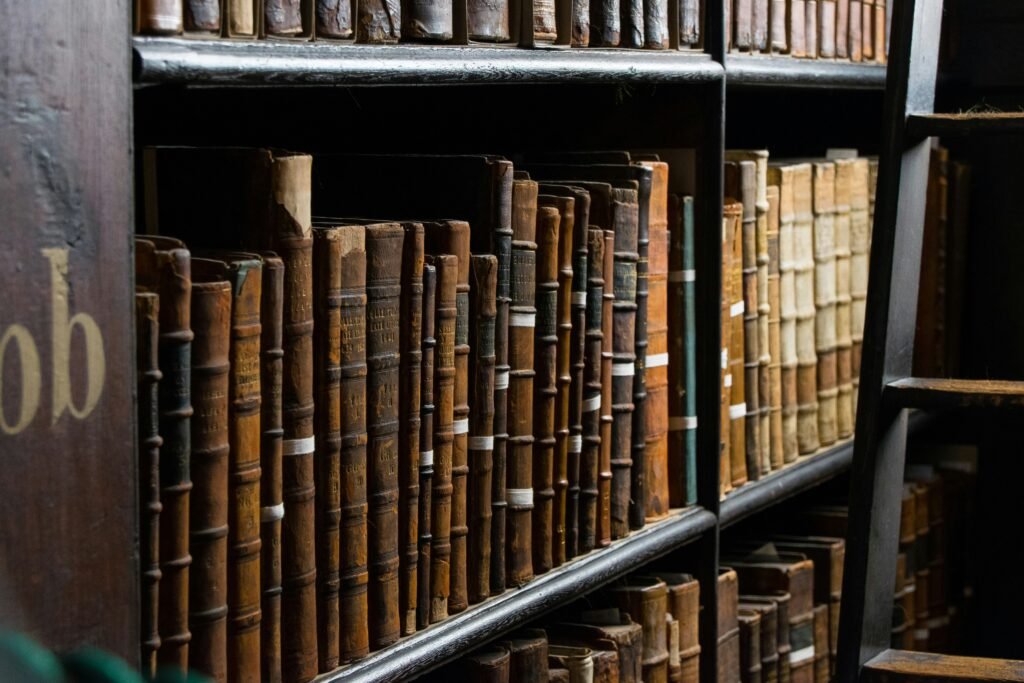
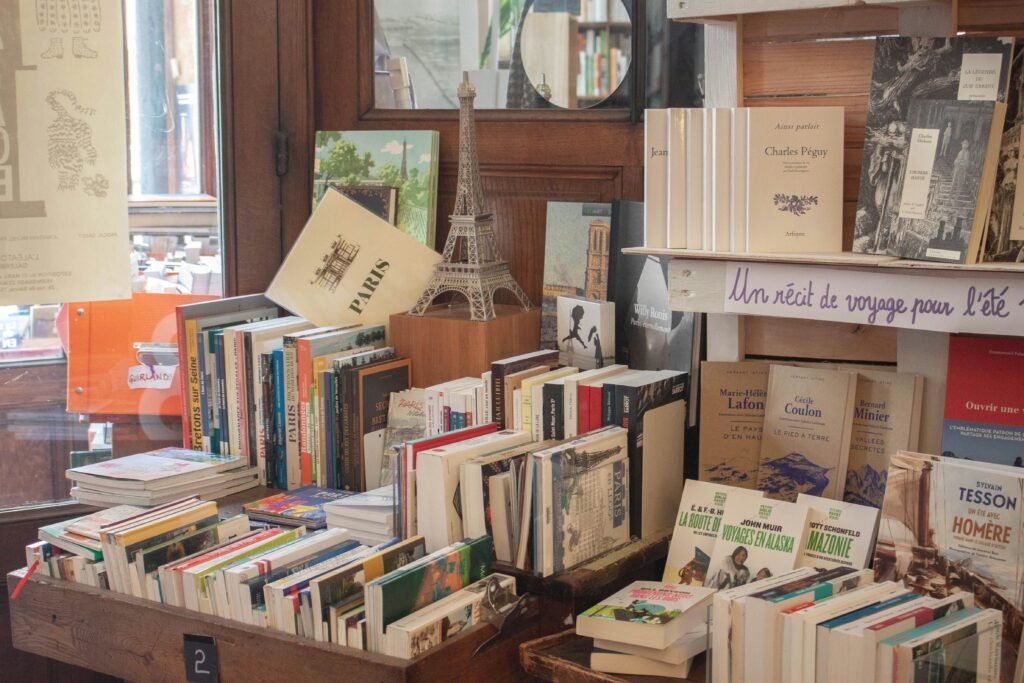
Dublin has plenty of worthwhile independent and longstanding bookshops, including Books Upstairs, The Gutter Bookshop, The Winding Stair, Chapters and Hodges Figgis. Dublin’s official City of Literature listings include all of them among the city’s literary destinations.
I would not attempt to visit all of them.
Pick one or two.
There is something slightly absurd about travelling to a city famous for literature and then frantically racing between bookshops according to a timetable.
Go inside.
Wander.
Buy something you had no intention of buying.
Ideally pick up an Irish novel you have never read.
Perhaps something contemporary rather than Joyce.
Although if you decide this is finally the weekend you are going to buy Ulysses, I admire your optimism.
Saturday Night: Writers, Guinness and Bad Behaviour
Saturday evening is when we can lean properly into Dublin’s literary mythology.
A great many Irish writers drank.
Quite a few drank impressively.
Some drank catastrophically.
And generations of Dublin pubs have understandably decided this is excellent marketing material.
Samuel Beckett, James Joyce, Brendan Behan, Patrick Kavanagh, Flann O’Brien and countless others have all become attached to particular drinking establishments and stories.
You could take an organised literary pub crawl.
Or you could do something much less educational and simply choose two old pubs, order something and enjoy being there.
Personally, I prefer the second option.
You have already learned things today.
Enough.
There is a difference between experiencing literary Dublin and carrying a clipboard through it.
Sunday Morning: Cross the River for James Joyce
Sunday is when we allow James Joyce to take over slightly.
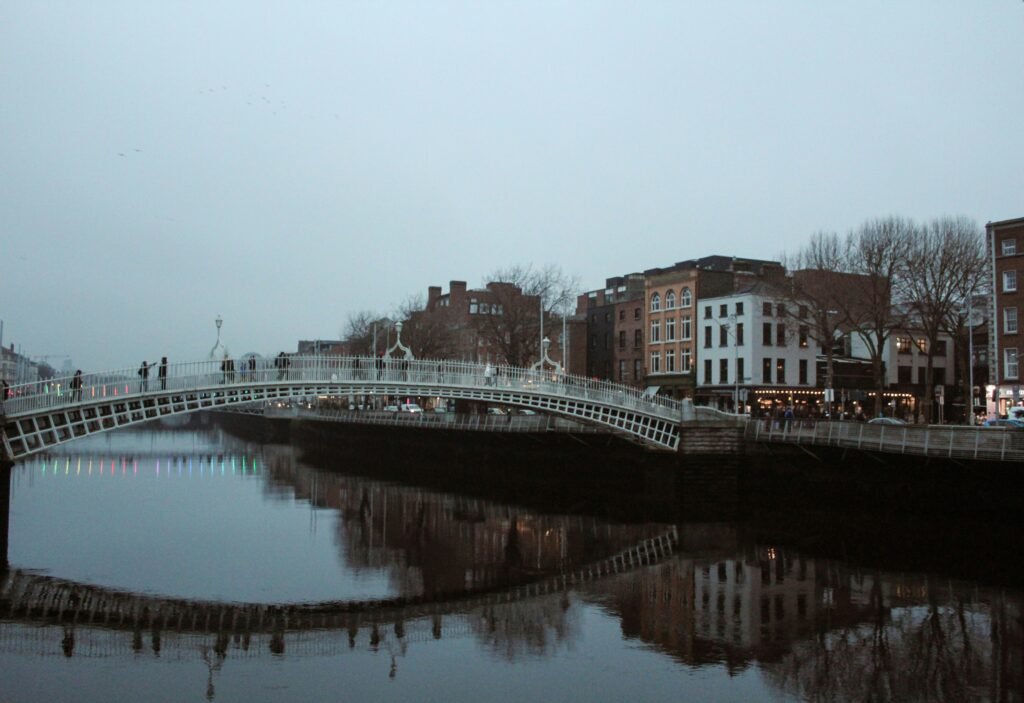
Head north across the Liffey toward North Great George’s Street, one of Dublin’s great Georgian streets and home to the James Joyce Centre.
The centre explores Joyce’s life, writing and relationship with Dublin through exhibitions and events.
And this relationship was complicated.
Joyce spent much of his adult life outside Ireland.
Yet Dublin followed him everywhere.
Dubliners is Dublin.
Ulysses is almost obsessively Dublin.
The city became the raw material from which he constructed an entire literary universe.
This is one reason wandering Dublin after encountering Joyce is so enjoyable.
You begin noticing street names.
Bridges.
Shops.
Ordinary corners.
Things that would barely register in another city suddenly seem oddly significant.
Joyce made the everyday geography of Dublin monumental.
You Do Not Need to Understand Ulysses to Enjoy This Weekend
This feels worth saying.
There is sometimes an intimidating seriousness surrounding James Joyce.
People talk about Ulysses in the same tone they use when discussing quantum mechanics.
You may start worrying that somebody is going to test you.
They won’t.
Probably.
You can have read Ulysses three times.
You can have started Ulysses three times.
You can have looked at Ulysses in a bookshop, quietly returned it to the shelf and bought a crime novel instead.
Dublin still works.
In fact, one of the pleasures of visiting literary places is that they often make writers feel less like monuments and more like people.
Joyce walked these streets.
Wilde grew up here.
Beckett went to pubs.
These weren’t always Important Literary Figures printed on Penguin Classics.
Once they were simply young people wandering Dublin wondering what they were going to do with their lives.
That is infinitely more interesting.
Sunday Lunch: Follow Leopold Bloom
At some point on Sunday, loop back through the city toward the locations associated with Leopold Bloom’s wanderings in Ulysses.
You don’t need to recreate the entire route.
People do.
I respect them enormously.
But I am also going to have lunch.
A handful of locations is enough to create the strange pleasure of seeing fiction layered over a real city.
Sweny’s is one.
Davy Byrne’s is another.
And once you begin looking, Joyce-related locations appear everywhere.
This is the magic trick Ulysses performs particularly well.
A journey involving relatively ordinary people moving through an ordinary city on an ordinary day somehow becomes enormous.
The Slightly Ambitious Option: Go to Sandycove
If you have energy left — and preferably decent weather — finish your literary weekend outside the centre.
Head south toward Sandycove.
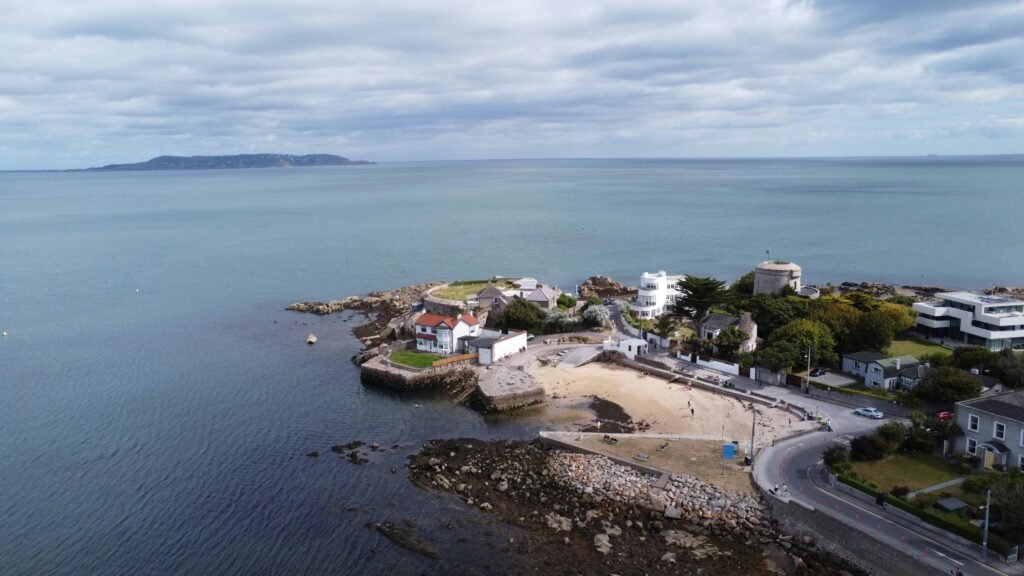
Here stands the Martello tower where Joyce briefly stayed in 1904 and where the opening scene of Ulysses is set.
Today it houses the James Joyce Tower and Museum. It remains one of the city’s recognised literary landmarks.
This isn’t essential for a 48-hour weekend.
In fact, if your flight leaves Sunday afternoon, don’t make your final hours unnecessarily stressful simply because a man wrote an experimental novel 104 years ago.
But if you have time, it makes a rather beautiful ending.
You’ve spent the weekend moving through Joyce’s Dublin.
Now you get the sea.
What to Read Before a Literary Weekend in Dublin
You could turn this into an undergraduate reading list.
Don’t.
Bring one book.
Maybe two.
For Joyce, Dubliners is probably the ideal companion.
It is considerably less daunting than Ulysses, and the collection gives you something wonderful before visiting the city: a sense of Joyce looking closely at ordinary Dublin lives.
For Wilde, you could bring The Picture of Dorian Gray, although it has very little to do with Dublin geographically.
Or choose one of Ireland’s extraordinary modern writers and remind yourself that literary Ireland isn’t a museum.
That might actually be the better choice.
Where to Stay for a Literary Weekend in Dublin
For this particular itinerary, stay reasonably central.
Somewhere around Trinity College, St Stephen’s Green, Merrion Square or the southern Georgian centre makes the weekend extremely walkable.
That matters.
Because this is not really an itinerary designed for taxis.
The pleasure lies in the bits between destinations.
The Georgian doors.
The pub windows.
The rain beginning precisely when you’ve left your umbrella at the hotel.
The glimpse into a second-hand bookshop.
The street you recognise from something you read three hours earlier.
Literary Dublin is better on foot.
The Thing About Dublin Is That the Writers Are Still Everywhere
By Sunday afternoon something peculiar starts happening.
Oscar Wilde is no longer simply Oscar Wilde.
He is a boy who grew up across from Merrion Square.
Joyce is no longer simply one of those authors you have been meaning to read properly one day.
He becomes streets and chemists and sandwiches and sea air.
And the enormous list of Irish writers begins to make slightly more sense.
Dublin feels like a city that notices language.
Its storytelling isn’t confined to libraries.
It is in theatres and bookshops and pubs and conversation.
The city itself seems unusually comfortable with writers.
Perhaps that is why it has produced so many of them.
Dublin has four Nobel laureates in literature associated with the city — Yeats, Shaw, Beckett and Heaney — yet its literary reputation extends far beyond those names.
There are cities where literature feels like something that happened once.
In Dublin it still feels like something people are doing.
A 48-Hour Literary Dublin Itinerary at a Glance
Friday evening: Arrive, walk the centre and have a drink somewhere old. Begin with Davy Byrne’s if you want your first Ulysses connection.
Saturday morning: Trinity College → Old Library and Book of Kells → Sweny’s Pharmacy → Merrion Square and Oscar Wilde.
Saturday afternoon: Lunch → Museum of Literature Ireland → lose an irresponsible amount of time in a Dublin bookshop.
Saturday evening: Dinner and a couple of writers’ pubs. Educational content optional.
Sunday morning: Cross the Liffey → James Joyce Centre → wander North Great George’s Street and central Joyce locations.
Sunday afternoon: Lunch → more bookshops or a final pub → Sandycove and the Joyce Tower if time permits.
And somewhere along the way, buy the lemon soap.
Obviously.
Why Dublin Might Be the Perfect Literary Weekend
Paris has Hemingway and Fitzgerald.
Edinburgh has Stevenson, Scott and Conan Doyle.
Oxford has Tolkien and Lewis.
But Dublin is different.
Its literary history feels unusually concentrated.
You can walk from Wilde to Joyce in minutes. A Victorian pharmacy becomes part of a novel. An ordinary pub becomes part of literary history. A Georgian square connects you to one writer while the next seems to be waiting around the corner.
And perhaps that is the best way to approach literary Dublin.
Don’t try to see everything.
Don’t turn it into homework.
Choose a few writers.
Find an old bookshop.
Walk more than you need to.
Order a drink somewhere that has been serving them for longer than seems entirely sensible.
And allow Dublin to do what it has apparently been doing for centuries.
Tell you a story.
If you felt like exploring Edinburgh, which became the world’s first UNESCO City of Literature in 2004 we go for a deep dive in our article on Literary Edinburgh, a travellers guide.
Britt & Tyler
We’re Britt and Tyler, the two Australians behind Cocktails & Cathedrals. We’re drawn to old buildings, beautiful rooms, bookshops and places that seem to hold a story. Our journal brings those interests together, with a fondness for slow afternoons and a well-made cocktail. We hope it helps you find places you’ll want to linger.
Travel slowly. Stay beautifully.
A little more about us →