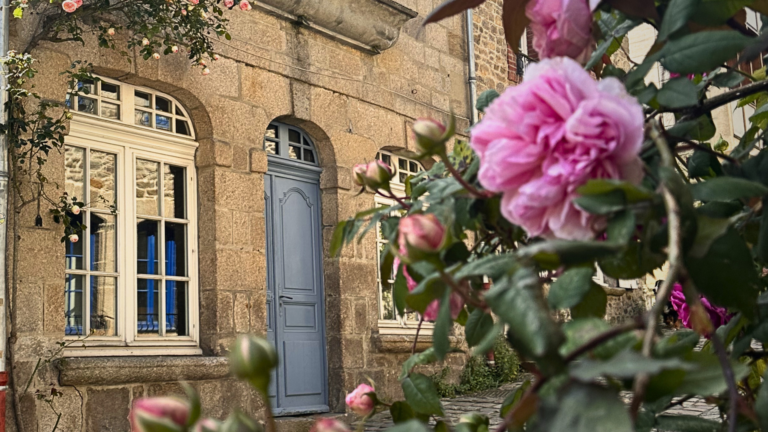
Why Dark European Interiors Feel More Luxurious Than Modern Minimalism
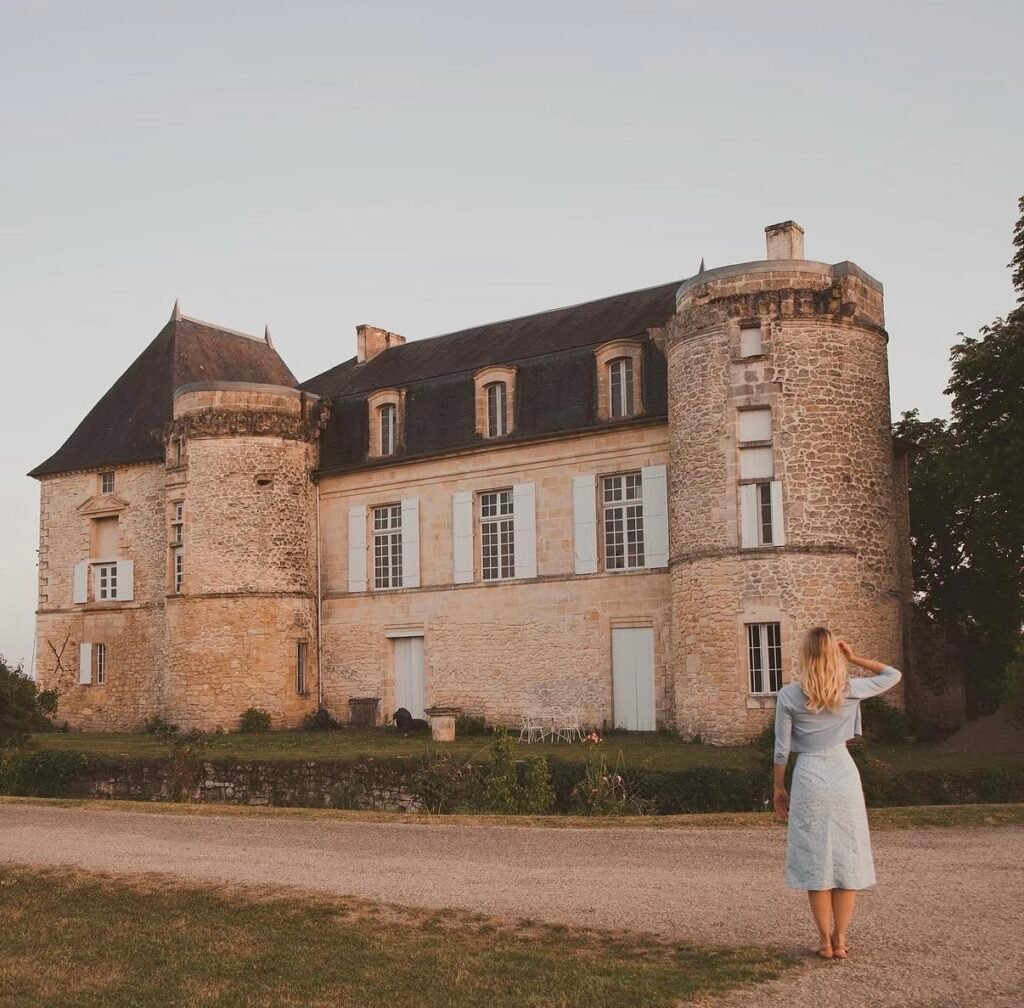
Everyone Told Me Luxury Meant Light
For years, I thought luxury meant light.
White walls.
Pale timber floors.
Floor-to-ceiling windows.
Marble benchtops.
Open-plan living spaces so spotless they looked less like homes and more like places where nobody had ever dropped toast butter-side down. Instagram had convinced me that expensive interiors were supposed to feel bright, airy, minimal, and almost aggressively clean.
Surely that was the look.
Surely that was what everyone was trying to achieve.
Surely luxury meant removing everything until a room felt calm, clean, and expensive.
Then we started travelling through Europe. Not just visiting the famous landmarks. Living in places. Staying in old apartments. Walking through historic buildings. Dragging suitcases up staircases that seemed to have been designed before anyone had considered the possibility of wheeled luggage.
And somewhere between the Italian coast, centuries-old villas, boutique hotels, and old French buildings, I started noticing something. The rooms I loved most were not bright.
They were dark.
The Rooms Photographs Cannot Explain
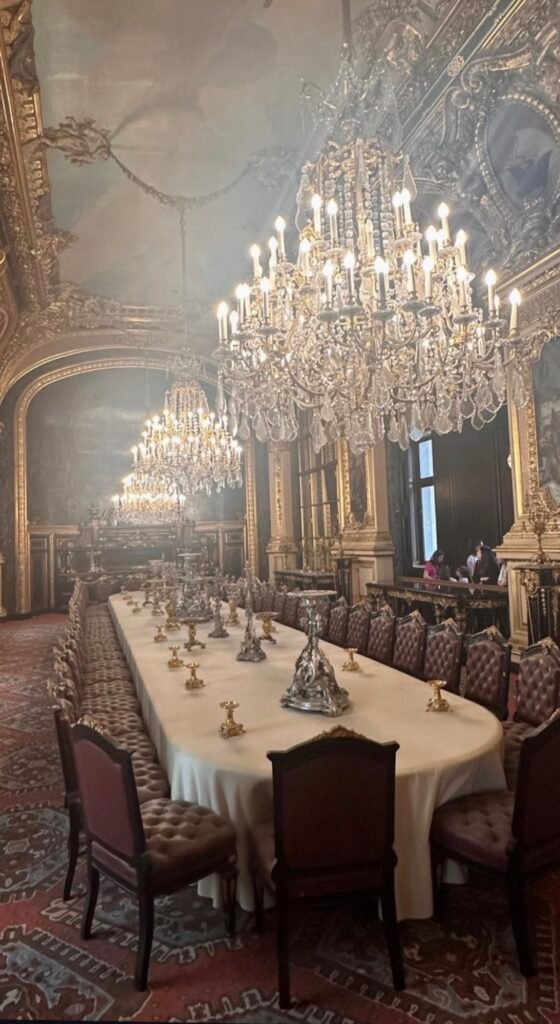
Looking at photographs online, many of these interiors seemed almost too dark.
Too brown. Too cluttered. Too old-fashioned.
The sort of rooms modern design blogs would tell you to lighten, simplify, or repaint. Then we stepped inside them. And immediately understood what the photographs had missed.
Atmosphere.
A photograph can show you a chandelier. It struggles to show you the way candlelight moves across an old timber floor. A photograph can show you a velvet chair. It struggles to show you the feeling of sinking into it after a long day of wandering unfamiliar streets. A photograph can show you a room.
Atmosphere has to be experienced.
And Europe seemed to be full of it.
The Luxury Of Shadow
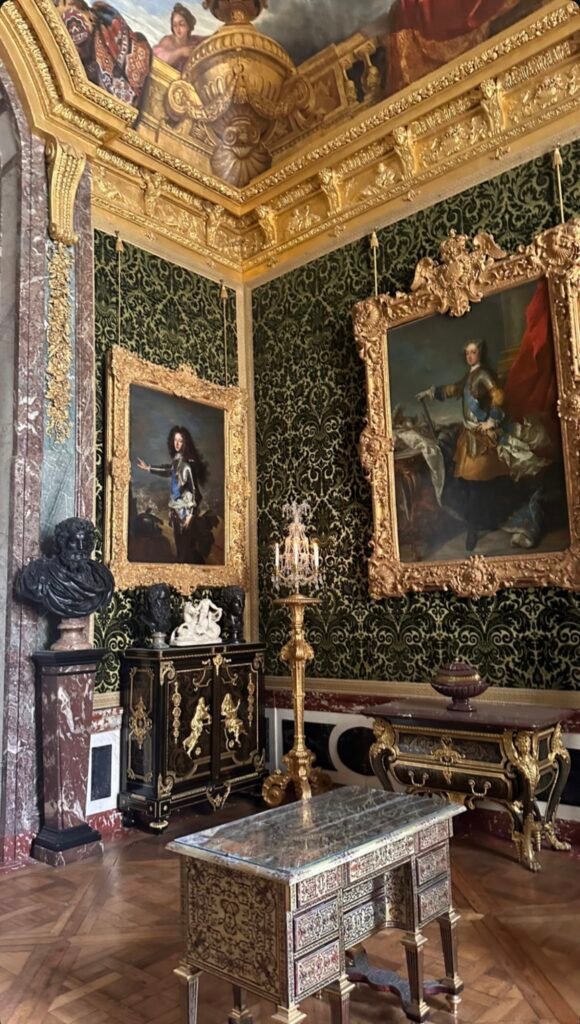
One evening, sitting in a centuries-old room with dark timber beams overhead and warm light pooling across the walls, I realised something.
Dark European interiors understand something modern design often forgets. Shadow is not a flaw. Shadow is atmosphere. A candlelit château dining room does not apologise for its dark corners. It lets them exist. A library lined with old timber shelves does not try to flood every inch with light. It allows the room to feel enclosed, intimate, and slightly mysterious.
There is a confidence in that.
Not every surface needs to be visible. Not every detail needs to announce itself immediately. Some rooms reveal themselves slowly. A carved chair in the corner. A worn rug underfoot. The shimmer of brass in low light. A portrait you only notice after sitting down.
A dark room asks something of you.
It asks you to pause. To look properly. To let your eyes adjust. Modern interiors often try to impress you instantly.
Dark European interiors take their time.
Old Rooms Do Not Try So Hard
One of the most beautiful things we noticed while travelling was that historic interiors rarely seem desperate to impress.
They simply are.
The floors creak. The timber has darkened. The walls are imperfect. The furniture does not match in that sterile catalogue kind of way.
A mirror may be slightly foxed. A table may be marked. A chair may sit in a room not because it completes a look, but because it has quietly existed there for decades. Perhaps centuries. Surviving dinners. Letters. Arguments. Celebrations. Glasses of wine. Generations of people who never once considered whether the room would perform well on social media.
That is hard to fake.
And perhaps that is why these interiors feel expensive. Not because every piece costs a fortune. But because they carry time.
Modern homes are often designed to look finished. Old European interiors feel accumulated.
There is a difference.
Texture Does What White Space Cannot
Minimalist rooms often rely on emptiness.
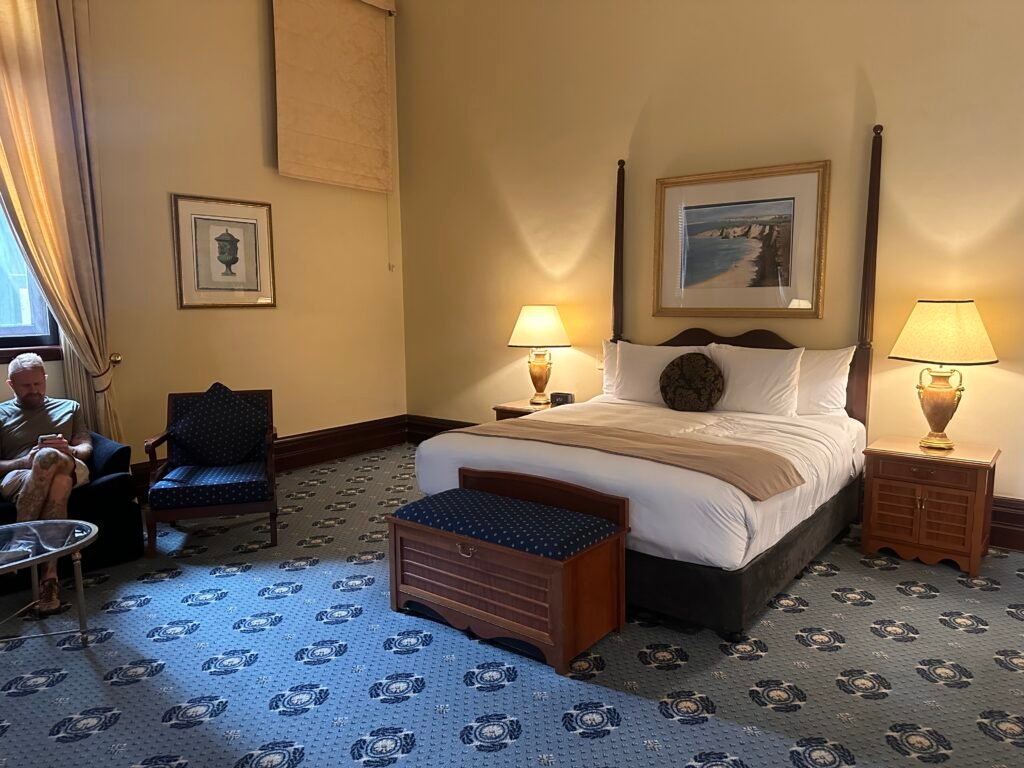
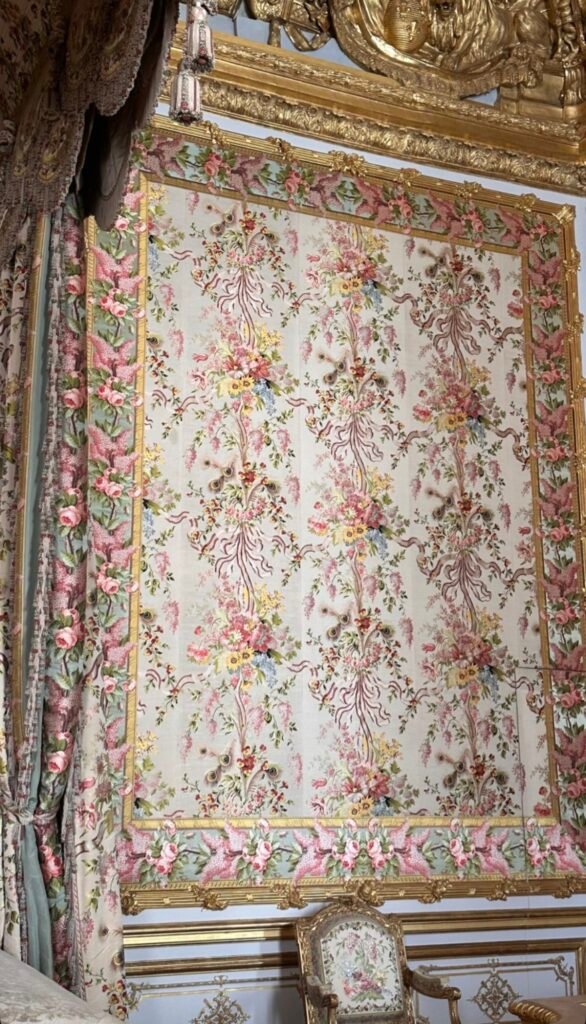
Dark European interiors rely on texture. Velvet. Stone. Timber. Brass. Oil paintings. Heavy linen. Worn leather. Layered rugs. Curtains that actually look like they could block out the world.
These rooms are not afraid of weight.
They understand that richness is not always about adding more objects. Sometimes it is about adding more feeling.
A plain white wall can be elegant. But an aged plaster wall holds light differently. A new timber floor can be beautiful. But an old parquet floor carries movement, history, and imperfection. A modern sofa might be comfortable. But an antique armchair, slightly faded and completely unapologetic, can make a room feel as though it has a memory.
Texture gives a room something to say.
Why Candlelight Changes Everything
There is a reason candlelit rooms appear again and again in our idea of romance.
Candlelight is forgiving.
It softens. It warms. It hides what does not need to be seen and reveals what matters.
Modern lighting often seems designed for tasks. Bright kitchens. Downlights. White LEDs. Rooms lit from above until every corner is equally exposed.
Useful, yes.
Romantic, rarely.
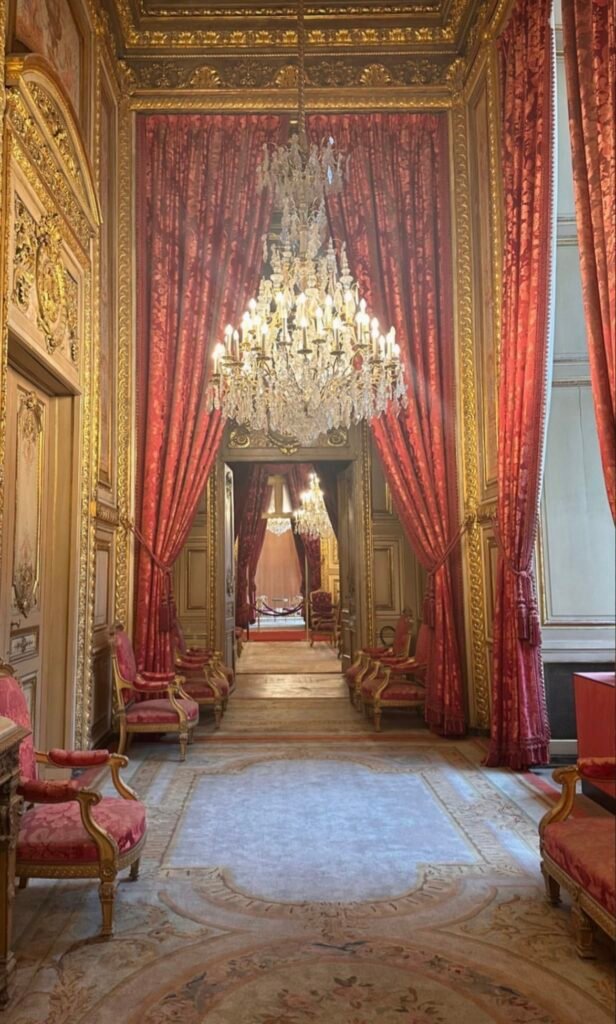
Dark European interiors understand layered light. A lamp beside a chair. Wall sconces along a corridor. Candles on a dining table. Firelight moving across old timber. A chandelier that glows rather than glares.
This kind of lighting does not simply help you see a room. It changes how the room feels. And sometimes that is the entire point.
The Rooms That Feel Lived In
There is a particular kind of luxury that comes from a room looking as though someone could actually live there. Not perform there. Not pose there. Live there.
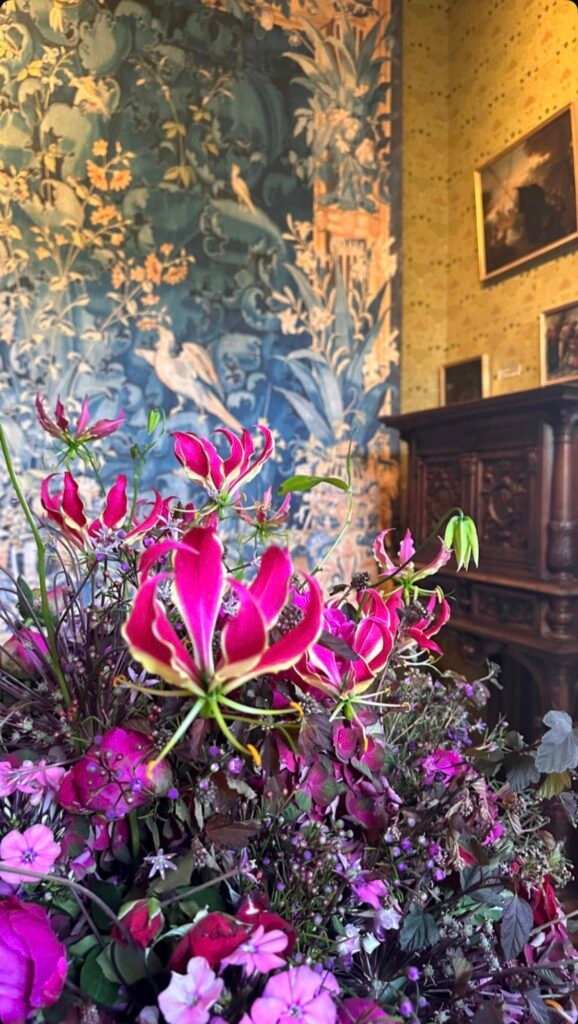
A book left open. A chair pulled slightly away from the table. Flowers that are beginning to lean. Art hung in a way that feels personal rather than mathematically correct.
Objects gathered from travels, family, markets, old houses, strange little shops, and decisions made long before anyone thought about whether they matched.
These are the rooms that stay with you. Not because they are perfect. Because they feel human.
Modern minimalism often removes the evidence of life.
Dark European interiors collect it.
Why Dark Rooms Feel More Romantic
Perhaps this is the real reason dark European interiors feel so luxurious.
They leave room for imagination.
A bright white room tells you everything immediately. A dark room keeps something back. It feels private. It feels layered. It feels like something could happen there. A conversation that lasts too long. A dinner that turns into another bottle of wine. A letter written at a desk beside a window. A storm outside while the room glows quietly within.
This is where dark interiors begin to feel less like design choices and more like settings.They are not just rooms. They are scenes. And maybe that is what modern homes often miss.
They are designed beautifully, but not always dramatically.
Luxury Is Not Always New
Somewhere along the way, we started confusing newness with luxury.
New kitchens. New bathrooms. New furniture. New everything. And of course, new things can be beautiful. There is nothing wrong with clean lines, good craftsmanship, and modern comfort.
But old European interiors remind us that luxury does not always come from freshness.
Sometimes it comes from patina. From a floor that has been walked across for a hundred years. From a table that has hosted too many meals to count. From curtains that feel theatrical. From furniture that looks as though it has stories it is not obligated to tell you.
Newness can be impressive.
Age can be seductive.
The Return Of Atmosphere
It makes sense that people are beginning to crave richer interiors again.
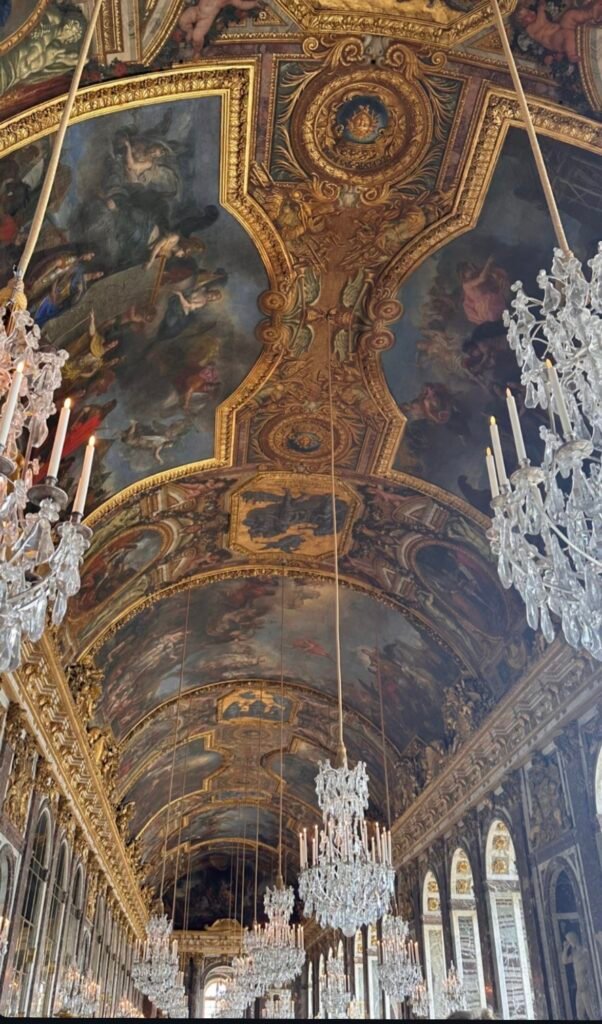
After years of white walls, beige sofas, boucle chairs, and homes that look like they were designed to photograph well, there is something refreshing about rooms with mood. Rooms with colour. Rooms with darkness. Rooms with books. Rooms with pattern.
Rooms that do not look as though they are trying to appeal to everyone.
Dark European interiors are not minimal, but they are not necessarily cluttered either. They are layered. They are considered.
They are atmospheric.
And atmosphere may be the thing modern interiors need most. Not more stuff. Not more trends. Not more expensive finishes. Just a stronger sense of feeling.
How To Borrow The Feeling
The good news is that you do not need to live in a château to borrow from one.
You do not need a ballroom. You do not need a centuries-old fireplace. You do not need a portrait of a serious-looking ancestor judging you from above the mantel. Though, admittedly, that would help.
What you need is atmosphere.
A darker wall colour. A vintage lamp. A heavy curtain. An antique mirror. A patterned rug. A timber table. Warm lighting. Books. Art that feels personal.
Objects that have meaning.
A room does not need to be grand to feel luxurious. It needs to feel intentional. It needs to feel layered.
It needs to feel as though someone with taste, memory, and slightly dramatic tendencies has chosen to live there.
Sometimes The Room Should Hold You
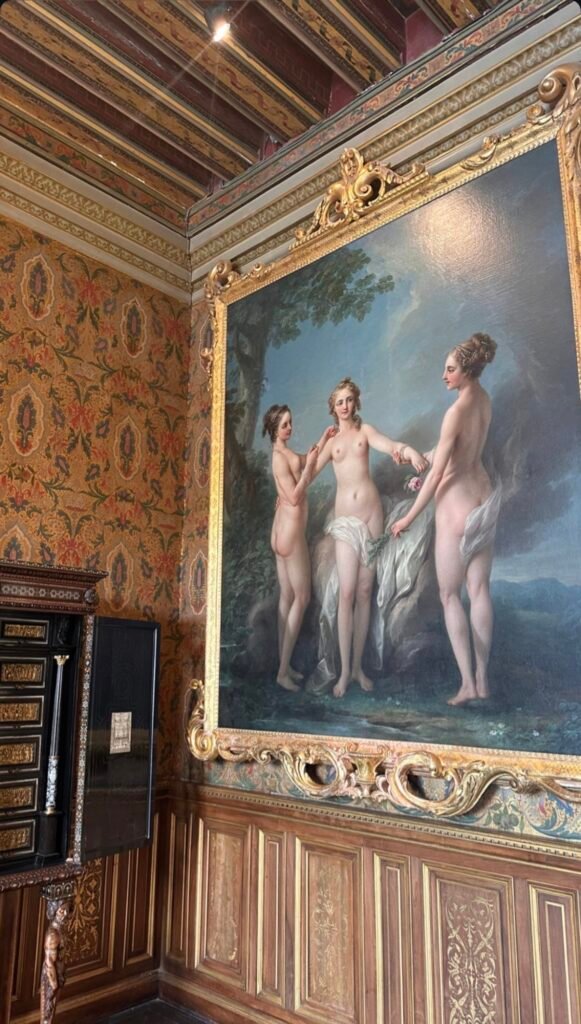
Modern minimalism often tries to create space.
Dark European interiors create embrace.
They do not always open outward. Sometimes they gather inward. They make a room feel like a place to settle. A place to read. A place to eat slowly. A place to stay after dinner when the plates are still on the table and nobody is quite ready to leave.
And perhaps that is why they feel so luxurious.
Not because they are brighter. Not because they are newer. Not because they are emptier. But because they understand something older and more human.
We do not always want to be impressed. Sometimes we want to be held.
Final Thoughts
For a long time, I thought luxury meant light.
The brightest room. The cleanest lines. The least amount of visual noise.
But the more I look at old European interiors, the more I think true luxury may be something else entirely.
Depth.
Shadow.
Texture.
History.
Warmth.
A room that feels like it existed before you arrived and will continue quietly after you leave.
Modern minimalism can be beautiful, but dark European interiors have something harder to manufacture.
They have atmosphere.
And atmosphere, when done well, feels far more luxurious than perfection.
Britt & Tyler
We’re Britt and Tyler, the two Australians behind Cocktails & Cathedrals. We’re drawn to old buildings, beautiful rooms, bookshops and places that seem to hold a story. Our journal brings those interests together, with a fondness for slow afternoons and a well-made cocktail. We hope it helps you find places you’ll want to linger.
Travel slowly. Stay beautifully.
A little more about us →