Why We Keep Falling in Love With Old Buildings
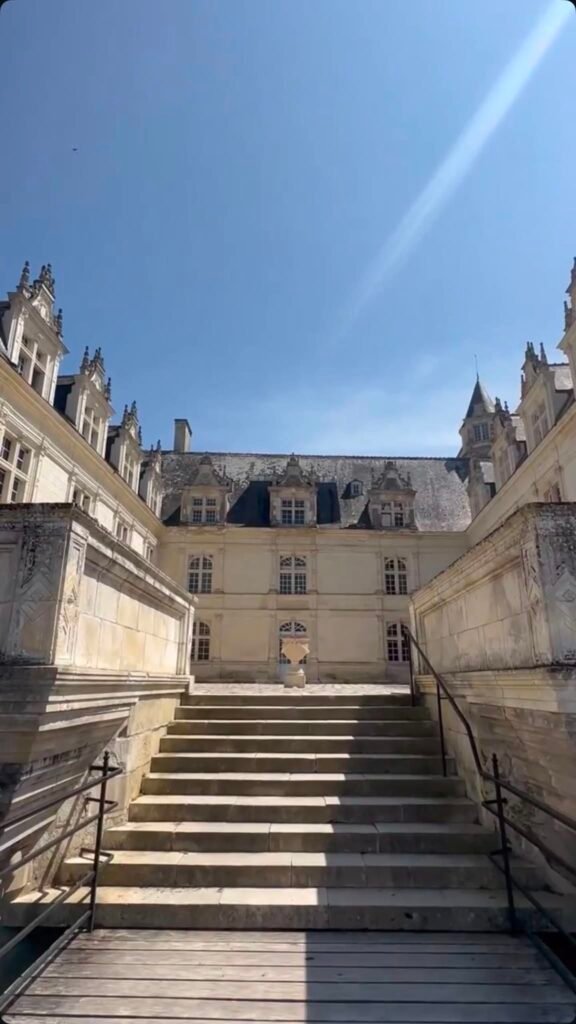
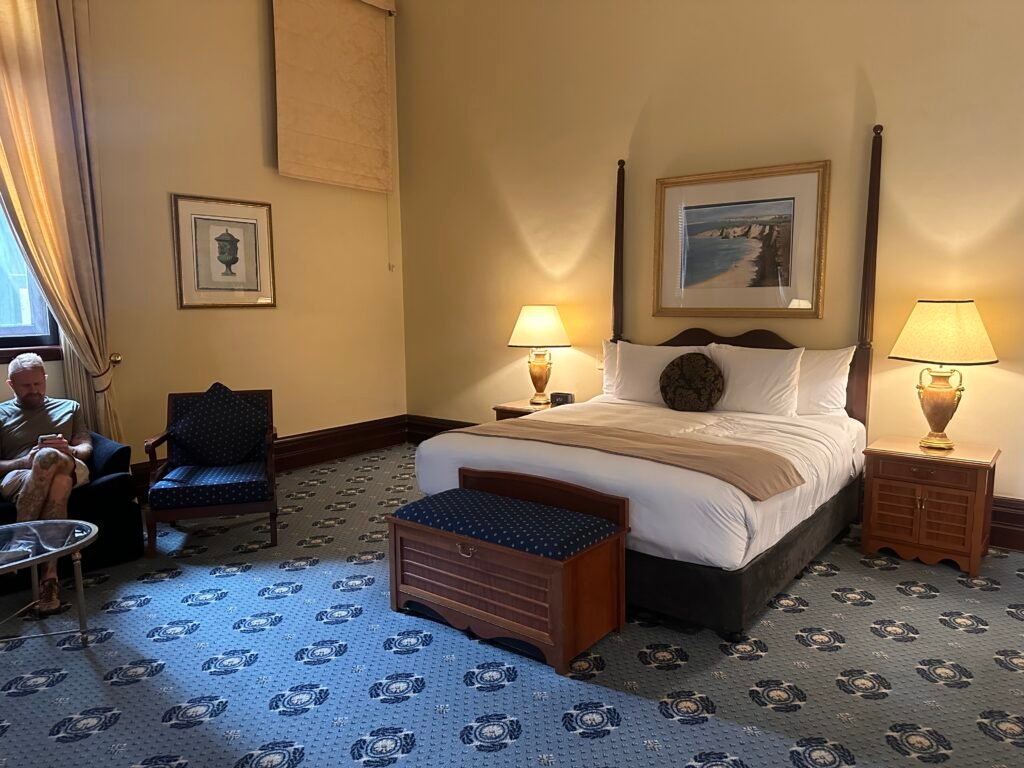
I’ve stayed in beautiful modern hotels. The kind with silent air conditioning, mood lighting controlled by an app, and elevators that glide so smoothly you barely notice them moving. They’re comfortable. Convenient. Often impressive. Yet the places I remember most are never the newest. They’re the old ones.
The hotel with worn stone steps polished smooth by centuries of footsteps. The library where the scent of old books lingers in the air. The château corridor that creaks softly beneath your feet. The cathedral that somehow makes you whisper the moment you walk inside. Long after the thread counts and smart TVs have been forgotten, those are the places that stay with us.
I’ve often wondered why. Why do so many of us feel drawn to old buildings, even in a world that seems obsessed with the new? Perhaps it’s because old buildings remind us of something we’ve lost.
They Were Built By Human Hands
Walk through a centuries-old building and you’ll notice something strange. Nothing is perfectly uniform. The stonework isn’t identical. The timber beams have subtle imperfections. The carvings vary ever so slightly from one another. In modern construction, these inconsistencies would be considered flaws. In old buildings, they feel like fingerprints.
Every detail reminds us that another person stood here hundreds of years ago, shaping stone, carving wood, laying bricks, and creating something they hoped would endure. There’s a warmth in that. A sense of connection that no factory-perfect surface can quite replicate.
They Age Instead Of Expire
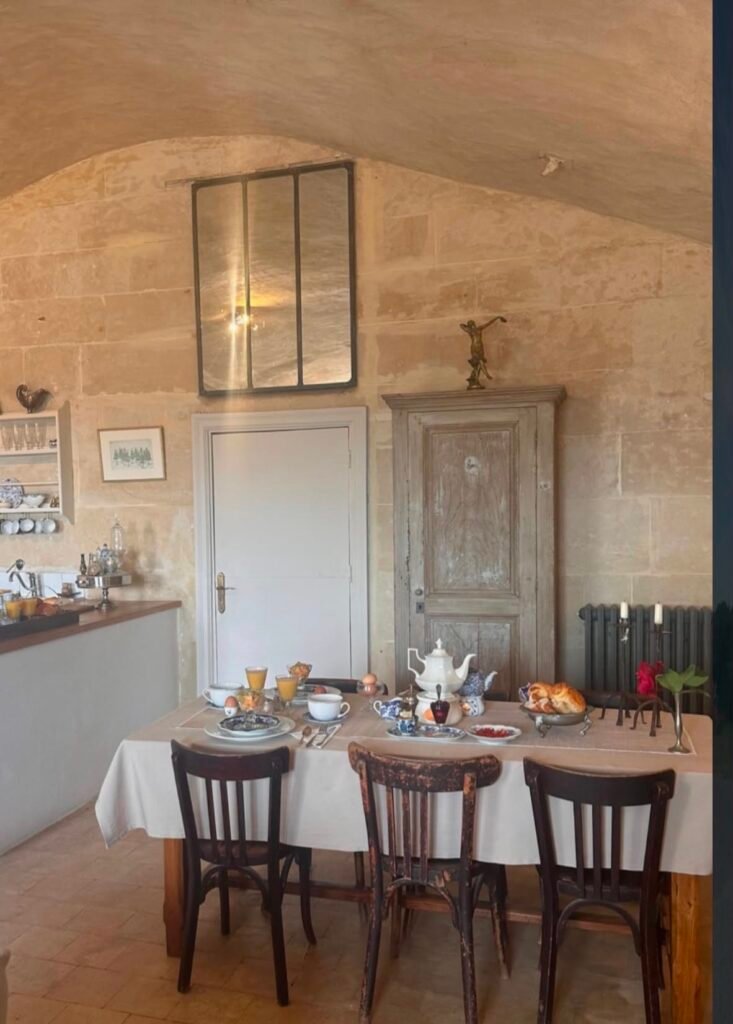
Modern buildings often seem designed to look their best on opening day. Old buildings are different. They gather stories. A marble staircase becomes smoother with every generation that climbs it. Brass door handles develop a soft glow from thousands of hands. Wooden floors acquire scratches and marks that quietly tell the story of the lives lived upon them.
Rather than deteriorating, many old buildings become more beautiful with age. They wear time gracefully. Perhaps that’s why we find them comforting. They remind us that aging isn’t always something to resist.
They Were Designed To Inspire
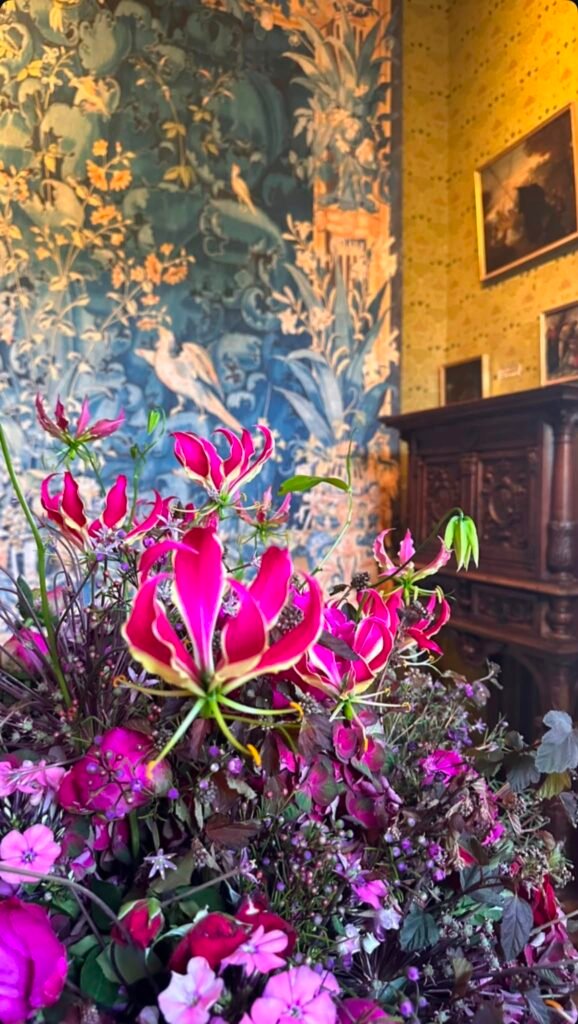
Many historic buildings weren’t built merely to provide shelter. They were built to create emotion. Cathedrals were designed to inspire awe. Libraries were designed to inspire curiosity. Grand hotels were designed to make travellers feel as though they had stepped into another world.
Even ordinary townhouses often featured details that seem extravagant by today’s standards: ornate cornices, arched doorways, stained glass, decorative ironwork, and beautifully proportioned rooms. These details served no practical purpose. They existed simply because beauty mattered. And perhaps it still does.
They Tell Stories Without Speaking
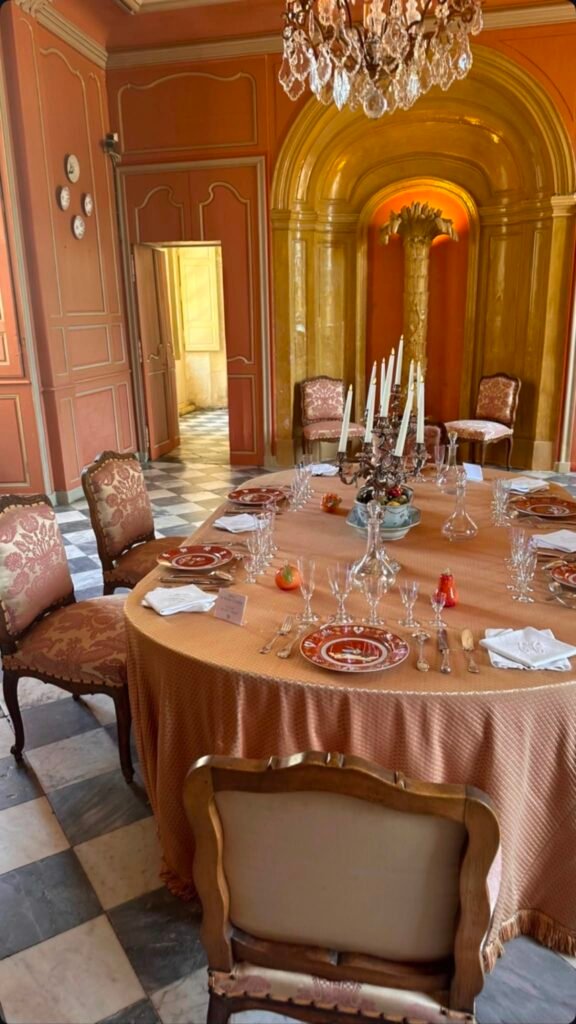
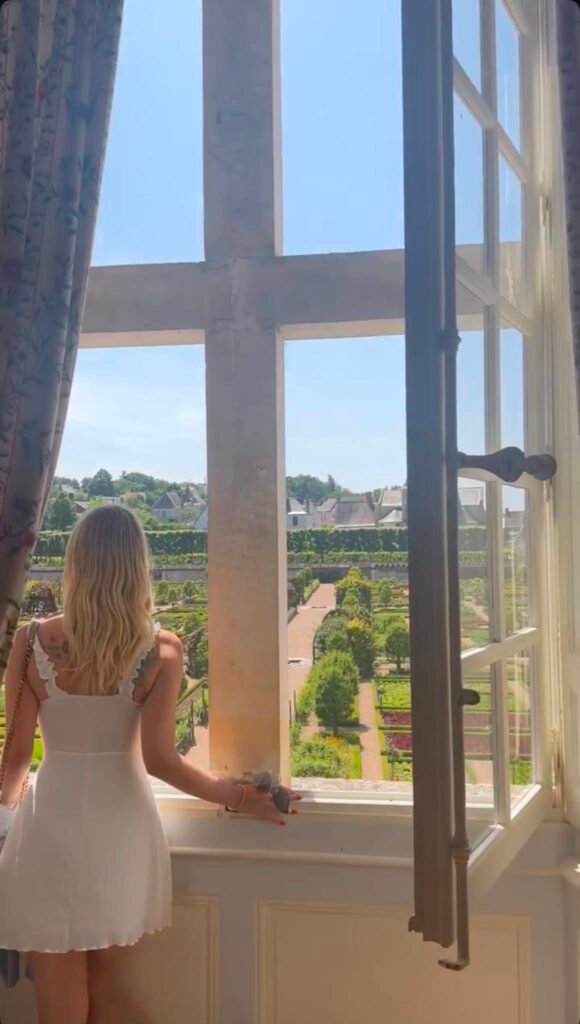
One of the most fascinating things about old buildings is that they carry a sense of mystery. Who walked these halls before us? What conversations took place in this room? Who looked out of this same window hundreds of years ago? A modern building rarely sparks those questions. An old building almost always does. The walls themselves seem to hold memories.
Whether that’s true or not hardly matters. The feeling is enough.
They Slow Us Down
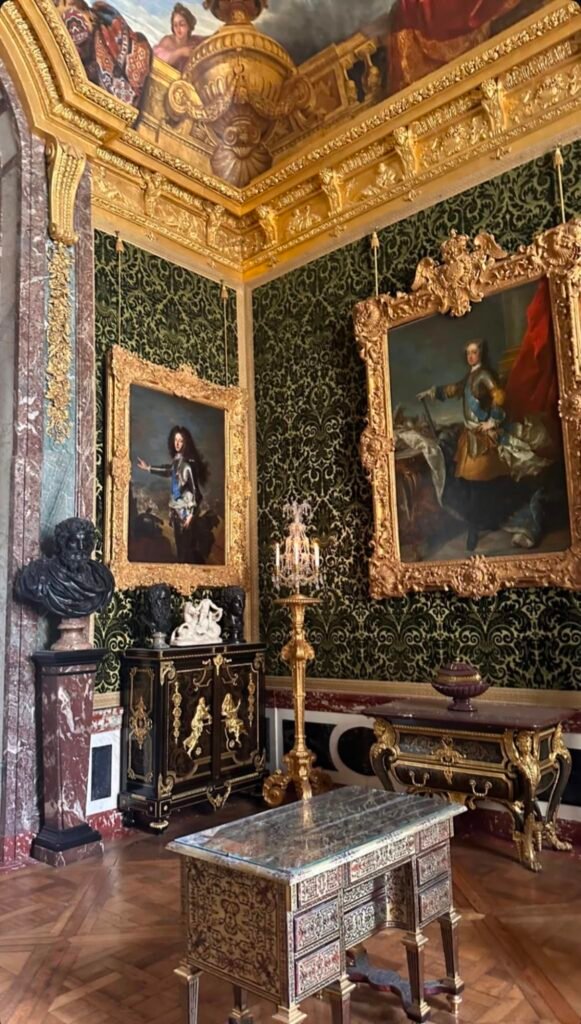
There is a rhythm to old places. A courtyard encourages you to linger. A reading room invites quiet reflection. A stone bench beneath an archway makes you pause for a moment longer than you intended. Many historic spaces were designed around human experience rather than efficiency. They weren’t optimised for maximum throughput or endless productivity. They were built for living.
And perhaps that’s why they feel so refreshing today. They offer a brief escape from the constant pressure to move faster.
We Still Bring Them Into Our Homes
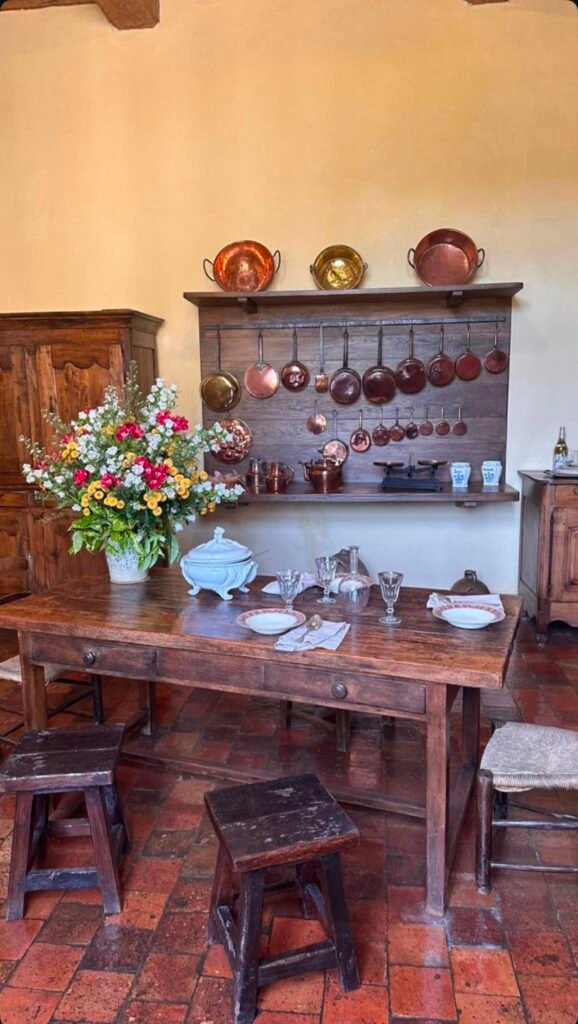
Even if we never live in a château or a centuries-old villa, we continue to borrow ideas from them. Arched doorways. Built-in bookshelves. Window seats. Panelled walls. Courtyard gardens. Herringbone timber floors. These details have survived for generations because they continue to resonate with us. They’re more than design trends. They’re expressions of what people have always found beautiful.
The Places We Remember
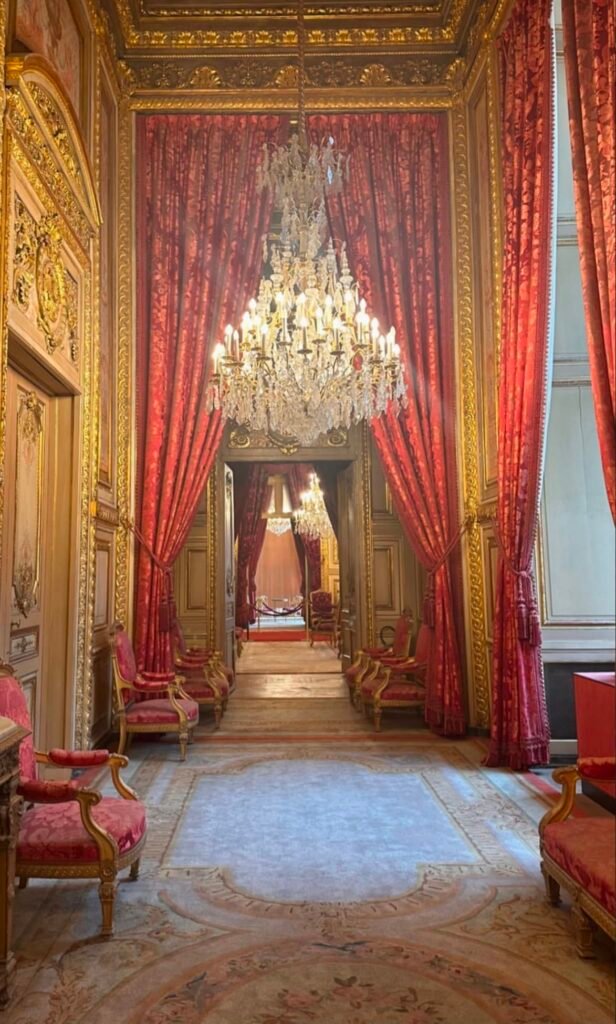
When I think back on my favourite places, I rarely remember the newest. I remember the library that felt like stepping into another century. The hotel corridor lined with portraits of long-forgotten guests. The courtyard hidden behind heavy wooden doors. The cathedral where sunlight filtered through stained glass and painted colours across ancient stone. These places stay with us because they offer something increasingly rare.
A sense of permanence. A connection to the people who came before us. A reminder that beauty doesn’t have to be new to feel extraordinary. Perhaps that’s why we keep falling in love with old buildings. Not because they’re old. But because they remind us of what it feels like when a place has a soul.
Britt & Tyler
We’re Britt and Tyler, the two Australians behind Cocktails & Cathedrals. We’re drawn to old buildings, beautiful rooms, bookshops and places that seem to hold a story. Our journal brings those interests together, with a fondness for slow afternoons and a well-made cocktail. We hope it helps you find places you’ll want to linger.
Travel slowly. Stay beautifully.
A little more about us →