Why European Windows Feel So Romantic
7 Timeless Window Ideas You Can Bring Home
Some of our favourite memories of Europe weren’t framed by famous landmarks.
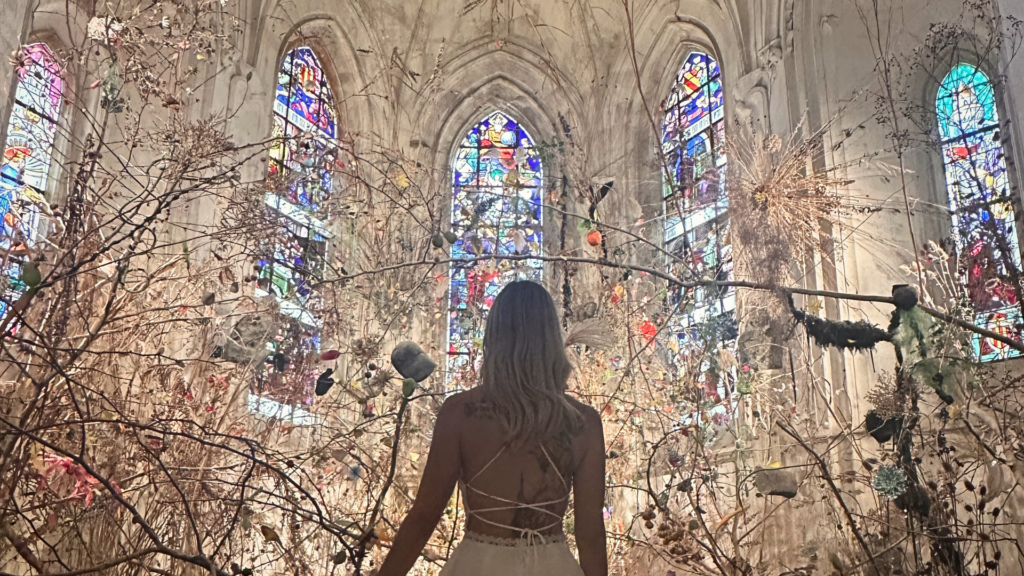
They were framed by windows.
Looking into tiny bakeries before breakfast.
Watching evening light spill from an apartment overlooking a quiet village square.
Seeing lace curtains move gently in an open window somewhere in Brittany, wondering who lived there and what ordinary life looked like behind those old stone walls.
The more we travelled, the more we realised windows weren’t simply part of the architecture.
They were invitations.
Not to step inside.
But to imagine.
Who was baking dinner?
Who had just opened those shutters to let in the morning air?
Who had placed that tiny pot of geraniums on the windowsill twenty years ago—and never stopped watering it?
Some photographs remind us where we’ve been.
Others remind us how a place made us feel.
For us, European windows somehow manage to do both.
They Frame Ordinary Moments Beautifully
One of the greatest surprises about travelling through Europe is discovering that the most memorable scenes often aren’t found inside museums or castles.
They’re found while simply looking up.
A grandmother watering flowers from her second-storey window.
Fresh bread cooling beside an open sash.
A sleepy cat stretched across a sunny windowsill.
An old man quietly reading behind lace curtains as church bells echo through the village.
Nothing extraordinary.
Yet somehow unforgettable.
Perhaps that’s because beautiful travel isn’t always about seeing extraordinary things.
Sometimes it’s about noticing ordinary life unfolding in extraordinary places.
We found ourselves slowing down more and more.
Not because there was another attraction around the corner.
But because every street seemed to offer another little glimpse into a life we’d never know.
Bring It Home
Don’t think of your windows as something to decorate.
Think of them as little frames that connect your home with the world outside.
Sometimes simply opening the curtains, placing a favourite chair nearby or adding a small pot of flowers is enough to completely change how a room feels.
Shutters That Make Every Home Feel Softer
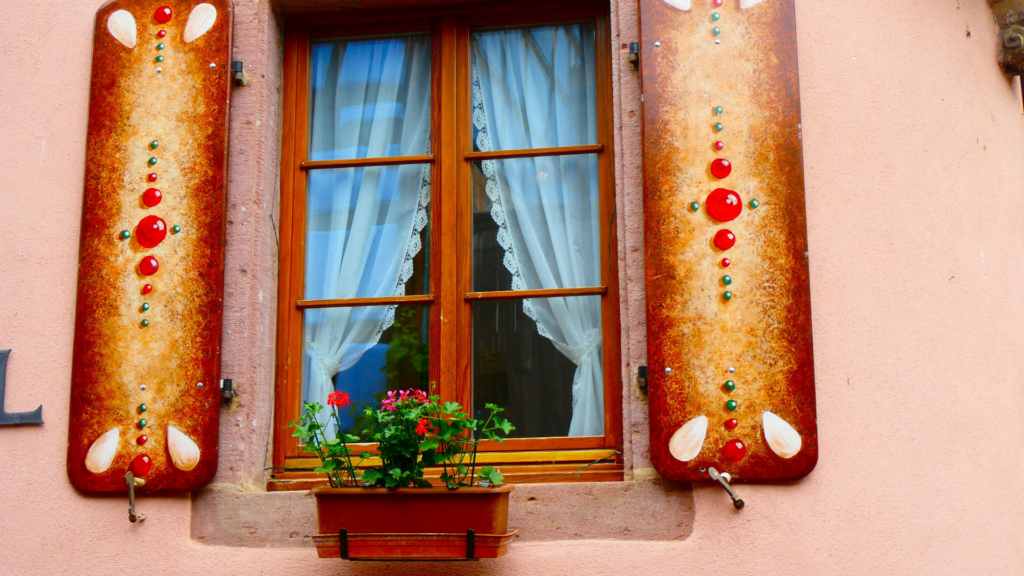
Long before we noticed front doors, we noticed shutters.
Some were painted soft blue.
Others faded green.
Many had weathered into muted greys after decades beneath the European sun.
Rarely perfect.
Always beautiful.
What struck us most wasn’t their colour.
It was their purpose.
They weren’t simply decorative.
They were used.
Opened every morning.
Closed against afternoon heat.
Half-open to catch a summer breeze.
Left gently swinging after someone had leaned outside to chat with a neighbour below.
Those little imperfections gave every building a sense of life.
Modern homes often feel frozen in time.
European homes seem to breathe.
Bring It Home
Timber shutters—or even decorative versions—instantly soften a façade. Indoors, timber shutters can also create beautiful filtered light, adding warmth and texture throughout the day.
Flowers That Spill Into The Street
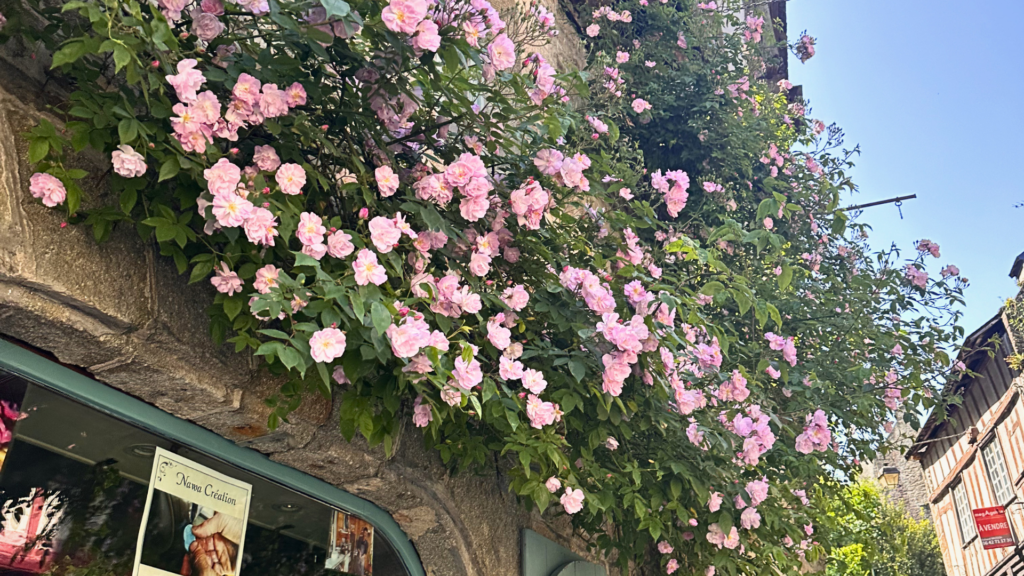
If there’s one detail we photographed over and over again, it was window boxes.
Geraniums overflowing from ancient stone walls.
Lavender spilling gently across timber ledges.
Tiny pots of herbs catching the morning sun outside village kitchens.
None of them looked carefully arranged.
They simply looked loved.
The flowers blurred the line between home and street.
They softened stone.
Added colour to narrow lanes.
And somehow made entire villages feel welcoming.
Looking back now, it’s difficult to imagine those same streets without them.
The buildings would still be beautiful.
But perhaps they’d feel a little quieter.
A little less alive.
Bring It Home
You don’t need dozens of pots to recreate the feeling. A single window box filled with seasonal flowers or herbs can transform the outside of a home—and it gives you something beautiful to look at from inside too.
Windows Invite Us To Slow Down
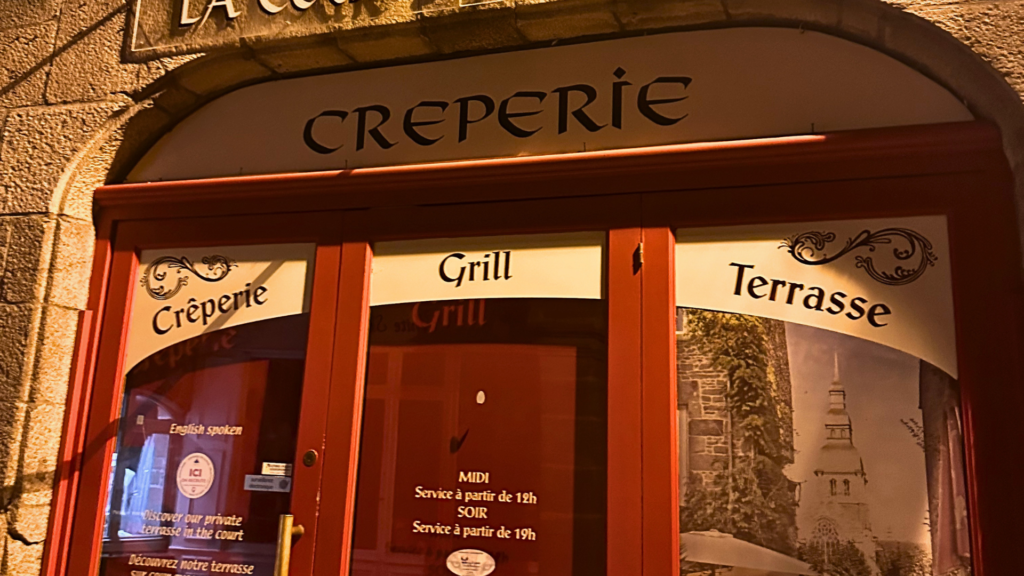
One afternoon in France, we’d almost reached the end of a narrow lane before one of us quietly said,
“Wait… look at that window.”
There wasn’t anything spectacular about it.
Just faded blue shutters.
A terracotta pot overflowing with flowers.
Lace curtains gently moving in the breeze.
We stood there for several minutes.
Not because it was famous.
Not because it appeared in a guidebook.
Simply because it felt beautiful.
Perhaps that’s what Europe does so well.
It quietly teaches us that not everything worth remembering has to be extraordinary.
Sometimes it’s enough to simply stop… and look.
Linen Curtains That Dance With The Breeze
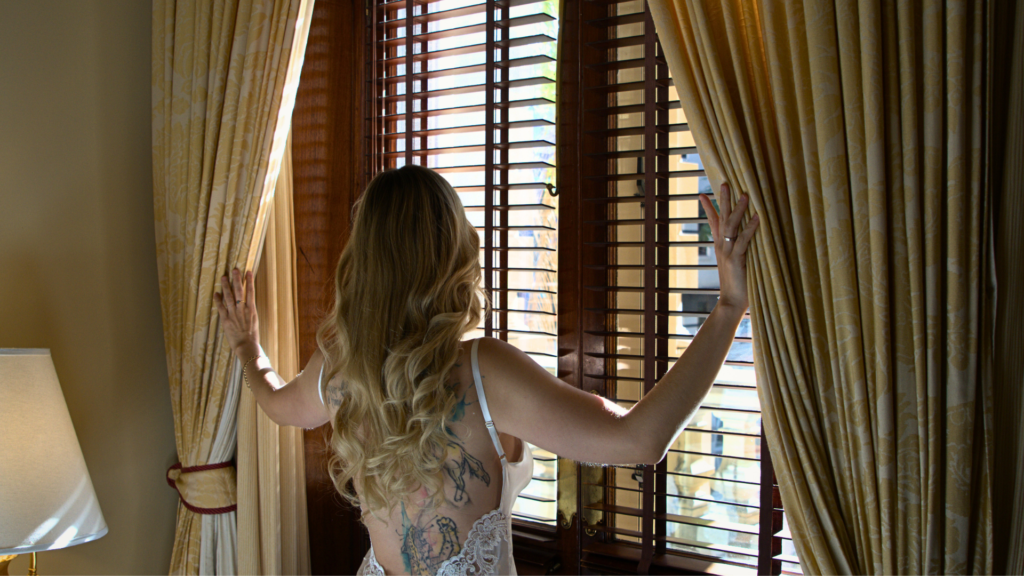
One of the quietest details we kept noticing wasn’t the window itself.
It was what was happening just behind it.
Soft linen curtains catching a summer breeze.
Morning sunlight filtering gently through delicate fabric.
A glimpse of a wooden dining table.
Fresh flowers sitting on a windowsill.
The windows never revealed everything.
Only enough to spark your imagination.
Perhaps that’s why they felt so romantic.
They hinted at life without putting it on display.
In a world where we’re encouraged to show everything, European homes often feel beautifully private.
They remind us that mystery has its own kind of beauty.
Bring It Home
Light linen curtains instantly soften a room. Let natural light become part of your décor rather than something to block out. Sometimes the most beautiful interiors are the ones that simply glow.
Stone That Has Been Watching For Centuries
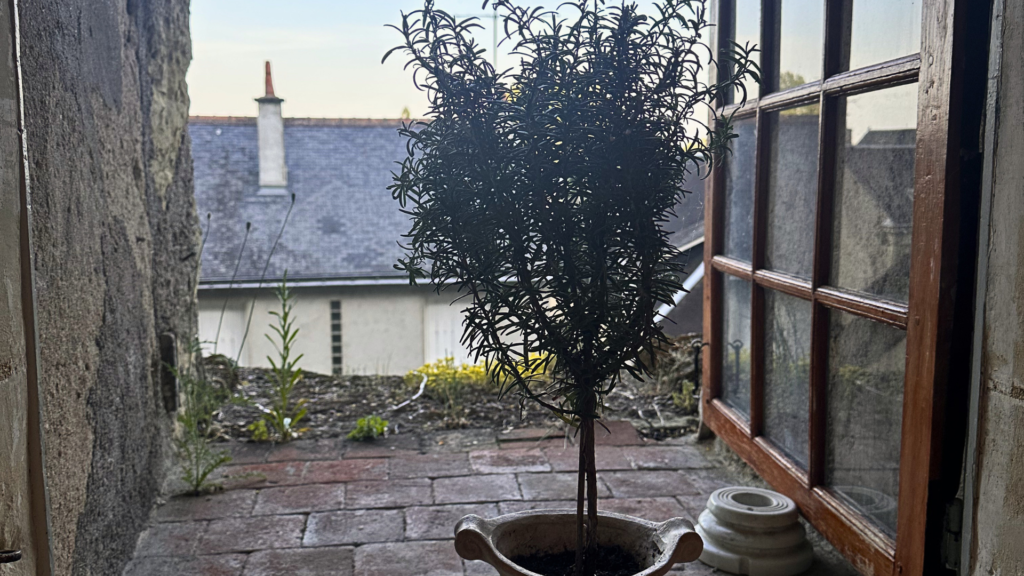
As much as we loved the flowers and shutters, it was often the stone itself that caught our attention.
Thick window surrounds carved hundreds of years ago.
Uneven edges shaped by time rather than machinery.
Tiny imperfections that could never be reproduced in a factory.
Some windows had watched over village streets for generations.
Others had quietly witnessed wars, celebrations, changing seasons and ordinary family life.
Standing beneath them, it was impossible not to feel connected to something much older than ourselves.
Perhaps that’s one of Europe’s greatest gifts.
It reminds us that beautiful places don’t become beautiful overnight.
They become beautiful because they’re allowed to grow old.
Bring It Home
Natural materials rarely go out of style. Stone, timber and brick add depth because they age gracefully. Don’t be afraid of a little texture or imperfection—they often become the most memorable features of a home.
Every Window Looks Onto A Different Story
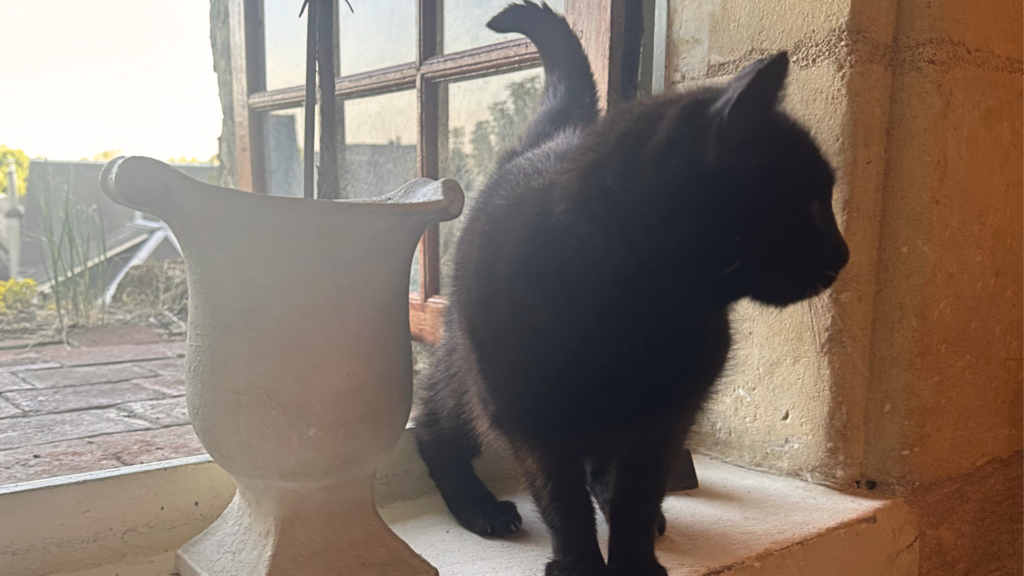
One afternoon, while wandering through a quiet village, we found ourselves sitting at a small café watching the windows above us.
Some stood open.
Others remained quietly closed.
A woman watered flowers.
Someone leaned out to shake a tablecloth.
A cat appeared for a few moments before disappearing back inside.
Nothing remarkable happened.
Yet we sat there for nearly an hour.
Travel has a funny way of changing what you notice.
Back home, we might have walked straight past.
In Europe, those tiny everyday moments somehow became part of the destination.
Perhaps that’s why we kept photographing windows.
They reminded us that every building held a story we’d never fully know.
And somehow, that was enough.
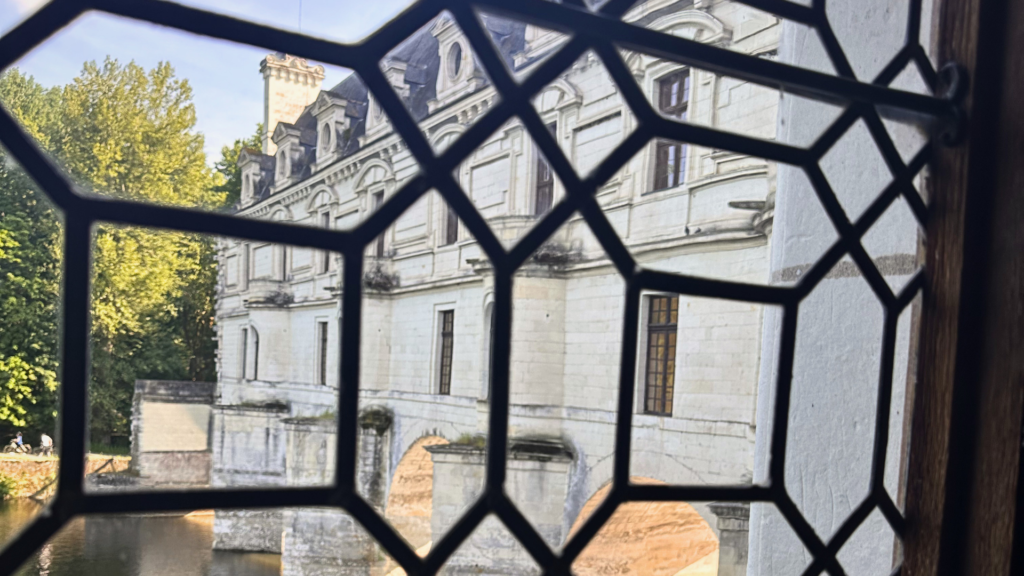
Final Thoughts
Looking back through our photographs, we’ve realised we weren’t simply collecting images of beautiful places.
We were collecting glimpses of ordinary life.
A window left open on a warm afternoon.
Fresh flowers catching the morning light.
Weathered shutters that had been opened and closed thousands of times before we arrived.
These weren’t famous attractions.
They weren’t listed in guidebooks.
Yet they’re some of the memories we return to most often.
Perhaps romance isn’t really about grand gestures.
Perhaps it’s found in small moments that ask us to slow down long enough to notice them.
European windows have a quiet way of doing exactly that.
They remind us that beauty doesn’t always ask to be admired.
Sometimes it simply waits to be noticed.
From Our Travels
Some of our favourite photographs from France weren’t planned at all. They happened while wandering without a destination, looking up instead of ahead. Somewhere along the way we realised we’d filled our camera with windows, shutters and flower boxes—and somehow, those simple details captured the feeling of Europe better than many of the famous landmarks ever could.
About the Author
Tyler is the co-founder of Cocktails & Cathedrals, where he and Britt share the architecture, hidden corners and quiet moments they discover while travelling through Europe. As a traveller and photographer, Tyler is drawn to the details that most people walk past—weathered shutters, flower-filled windows, forgotten laneways and the stories they quietly suggest. Together, they hope to inspire readers to travel more slowly and bring a little of Europe’s timeless charm into everyday life.
Britt & Tyler
We’re Britt and Tyler, the two Australians behind Cocktails & Cathedrals. We’re drawn to old buildings, beautiful rooms, bookshops and places that seem to hold a story. Our journal brings those interests together, with a fondness for slow afternoons and a well-made cocktail. We hope it helps you find places you’ll want to linger.
Travel slowly. Stay beautifully.
A little more about us →