Why European Doorways Feel So Inviting
9 Timeless Entrance Ideas You Can Bring Home
Some of our favourite memories of Europe happened before we ever stepped inside.
Looking back through thousands of photographs from our travels, something unexpected stands out.
Not the grand cathedrals.
Not the famous castles.
Not even the spectacular landscapes.
It’s the doors.
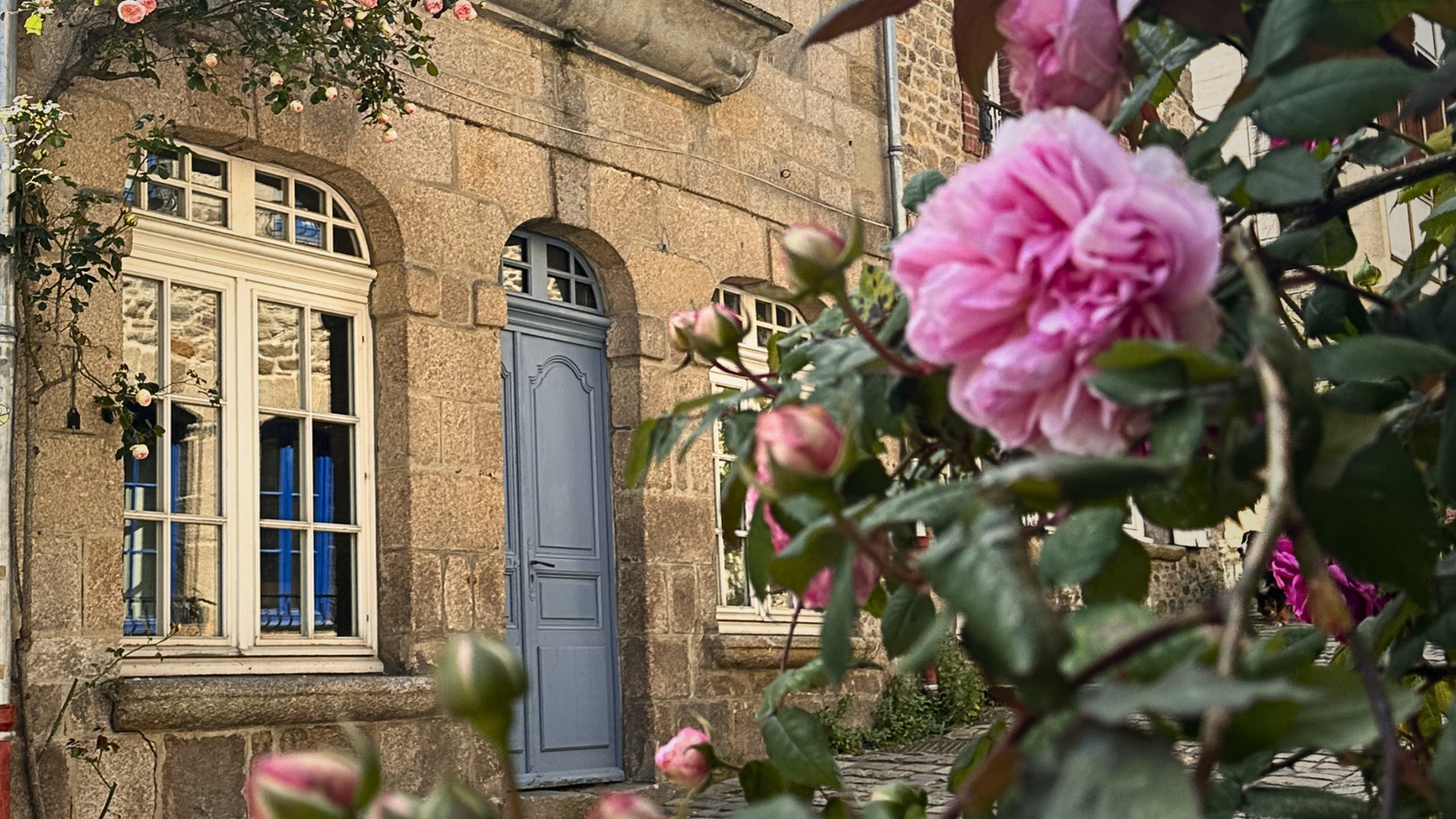
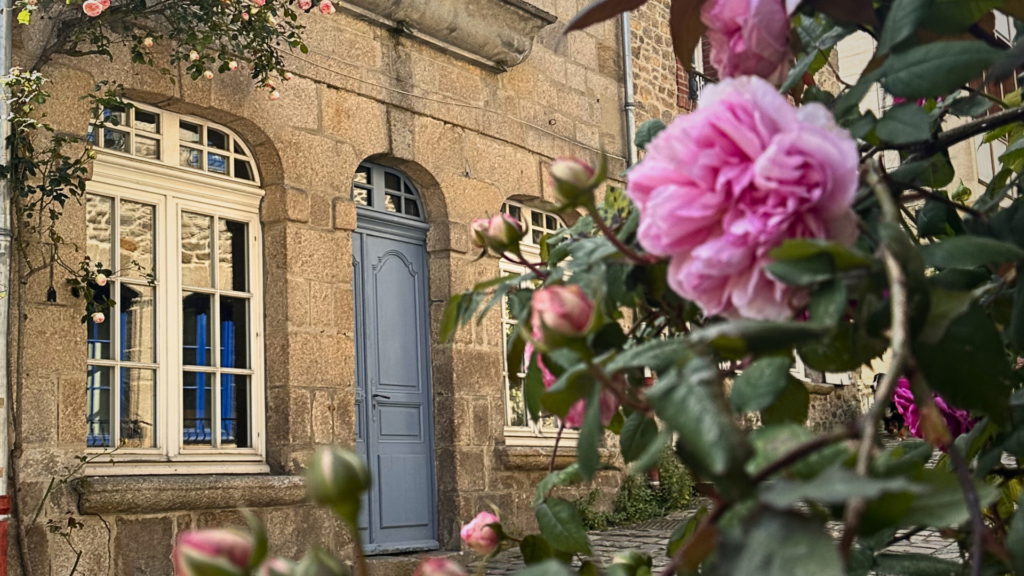
Again and again, we found ourselves stopping in the middle of quiet village streets to photograph weathered timber doors framed by climbing roses, faded shutters hanging slightly crooked and ancient stone archways that had quietly welcomed people home for centuries.
More than once, one of us would walk a few metres ahead before hearing the other say,
“Hang on… look at that doorway.”
Out would come the camera.
Another photograph.
Another little piece of Europe we’d somehow fallen in love with.
Looking back now, we’ve realised those entrances weren’t simply beautiful.
They made us curious.
Who lived here?
How many families had crossed that worn stone threshold?
How many conversations, celebrations and ordinary Tuesday evenings had begun behind those old wooden doors?
Perhaps that’s why European doorways feel so inviting.
They don’t simply welcome you into a house.
They quietly invite your imagination inside as well.
Every Door Tells A Story
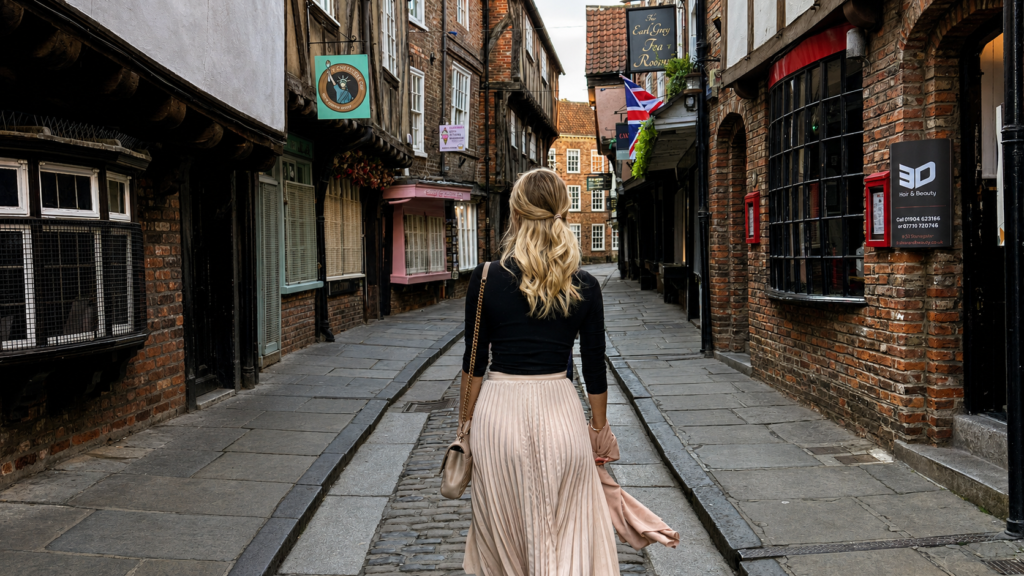
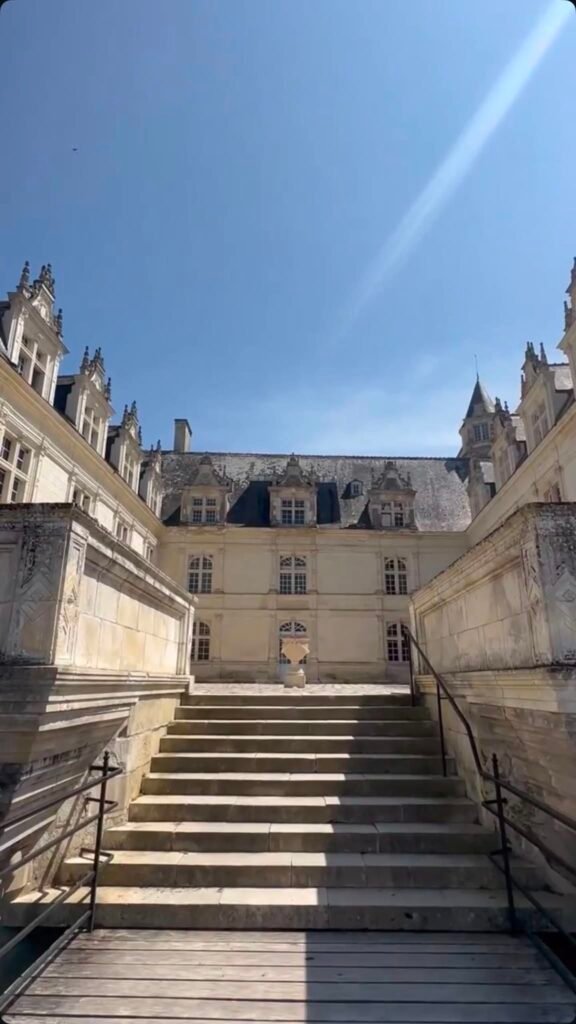
One thing we noticed while wandering through villages in York, Brittany, the Loire Valley and beyond was that very few front doors looked brand new.
Paint had faded.
Stone steps had softened beneath centuries of footsteps.
Brass knockers had been polished smooth by countless hands.
Nothing felt perfect.
Everything felt lived in.
And somehow, that made each entrance feel even more welcoming.
Modern homes often celebrate flawless finishes.
European homes seem to celebrate history instead.
Every scratch, every weathered hinge and every worn threshold quietly reminds us that somebody has loved this place for a very long time.
Perhaps that’s the real beauty.
These homes aren’t trying to erase their past.
They’re proudly carrying it forward.
Timber That Grows More Beautiful With Time
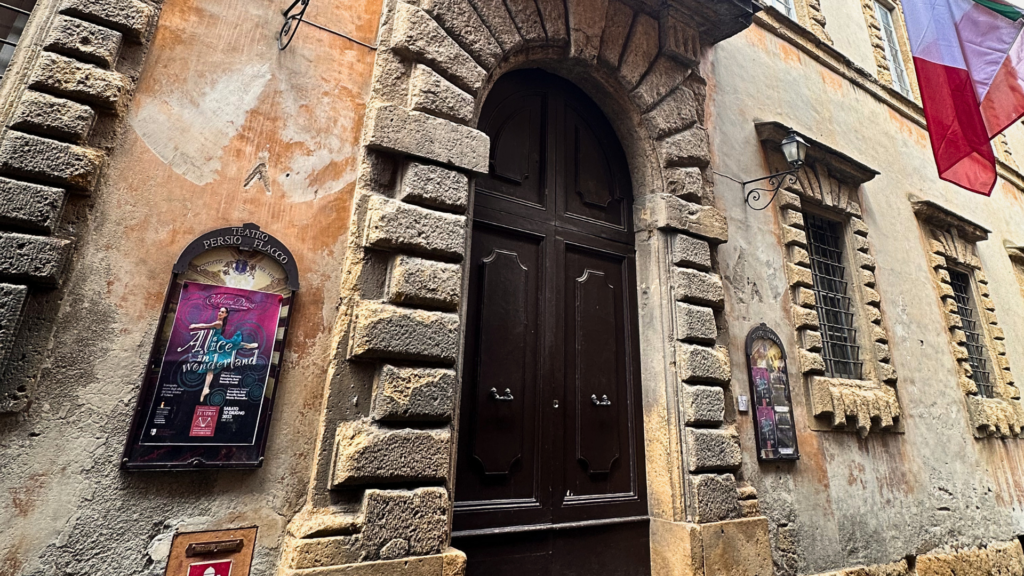
One of the details we kept photographing was old timber doors.
Some were painted deep blue.
Others faded green.
Many had simply weathered into soft shades of grey and brown.
The grain of the timber remained visible beneath layers of paint applied over decades.
Nothing looked rushed.
Nothing looked mass-produced.
Instead, every entrance felt completely unique.
It reminded us that natural materials often become more beautiful with age rather than less.
Perhaps we’ve forgotten that.
Sometimes the most inviting homes aren’t the newest ones.
They’re the ones that have quietly collected stories.
Bring It Home
If you’re renovating, don’t always feel the need to replace old timber features. Restoring an existing front door, or choosing natural timber over synthetic finishes, instantly adds warmth and character that only improves with time.
Stone Thresholds That Welcome You In
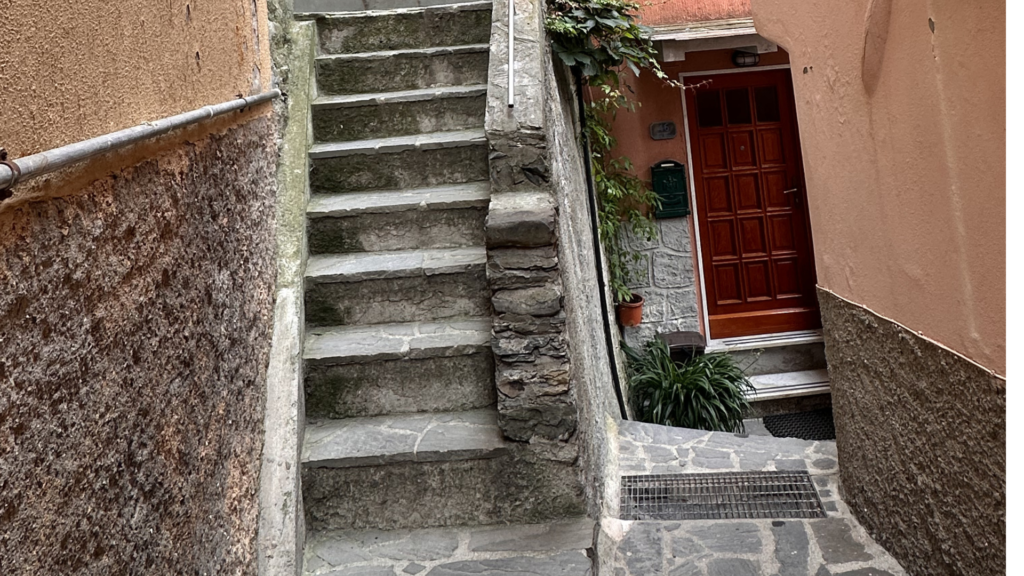
Before you even notice the front door itself, you’ll often find yourself looking down.
Old stone steps.
Weathered thresholds.
Uneven paving worn smooth by generations.
There’s something strangely comforting about those imperfections.
Rather than feeling neglected, they feel authentic.
We’ve often wondered how many people had paused on those same steps before us.
Children racing outside to play.
Neighbours calling in for coffee.
Travellers arriving after long journeys.
Those stones have quietly witnessed thousands of ordinary moments.
Perhaps that’s why they feel so special.
Bring It Home
Natural stone, reclaimed pavers or even aged-look materials can help create an entrance that feels welcoming from the very first step. Perfection isn’t the goal—character is.
Roses That Refuse To Stay In The Garden
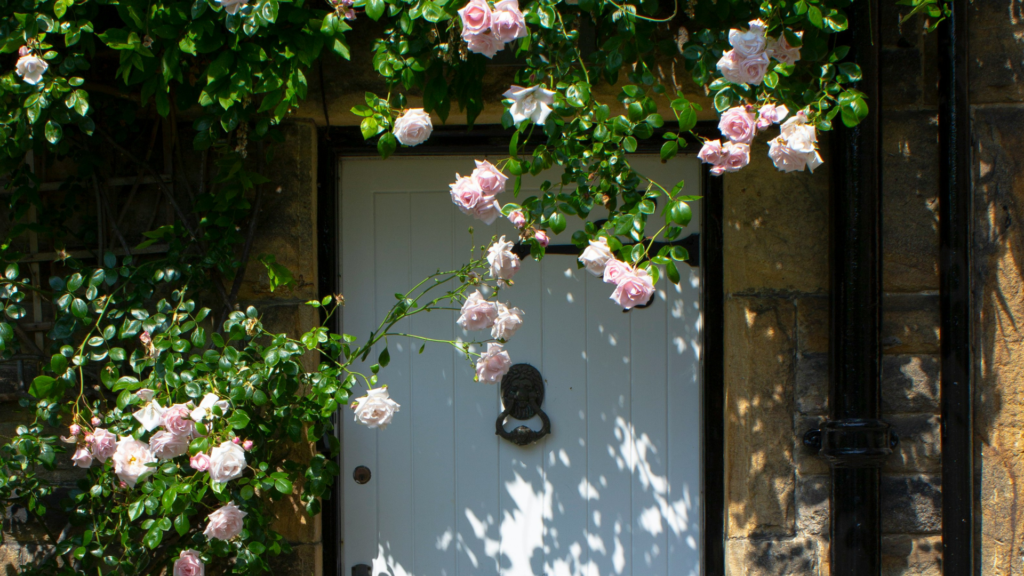
Some of our favourite European doorways weren’t memorable because of the architecture.
They were memorable because nature had quietly taken over.
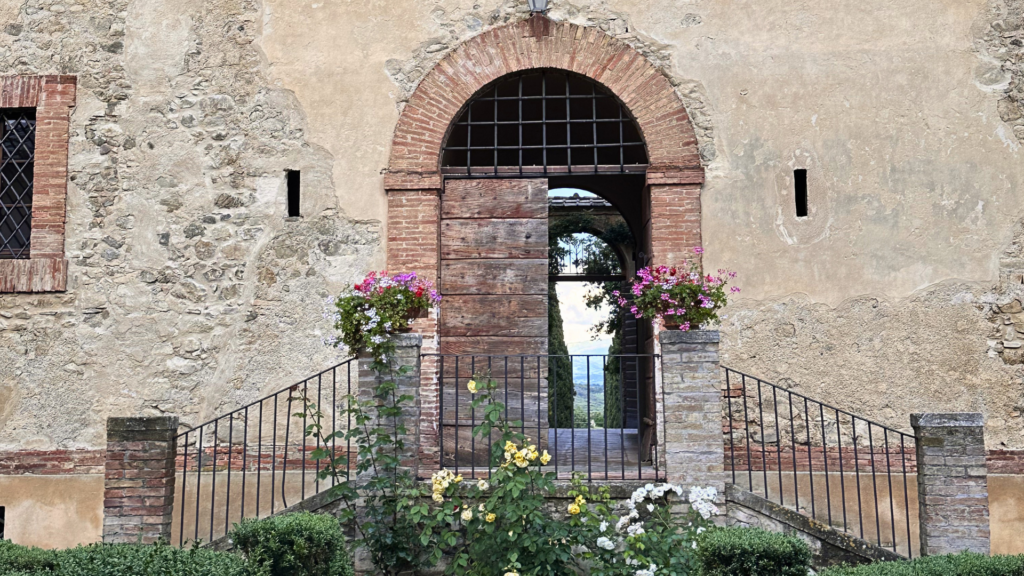
Climbing roses wrapped themselves around old archways.
Ivy softened rough stone walls.
Lavender spilled gently across pathways leading to the front door.
Instead of competing with the house, the garden became part of the entrance itself.
The line between architecture and nature simply disappeared.
Perhaps that’s one of the loveliest lessons Europe teaches us.
The most beautiful homes rarely stand apart from their gardens.
They grow together.
Bring It Home
Even one climbing rose beside your entrance, a pot of lavender or a trailing vine can completely soften the look of a home. Sometimes the smallest touch of greenery creates the biggest sense of welcome.
Warm Light Always Feels Like Welcome
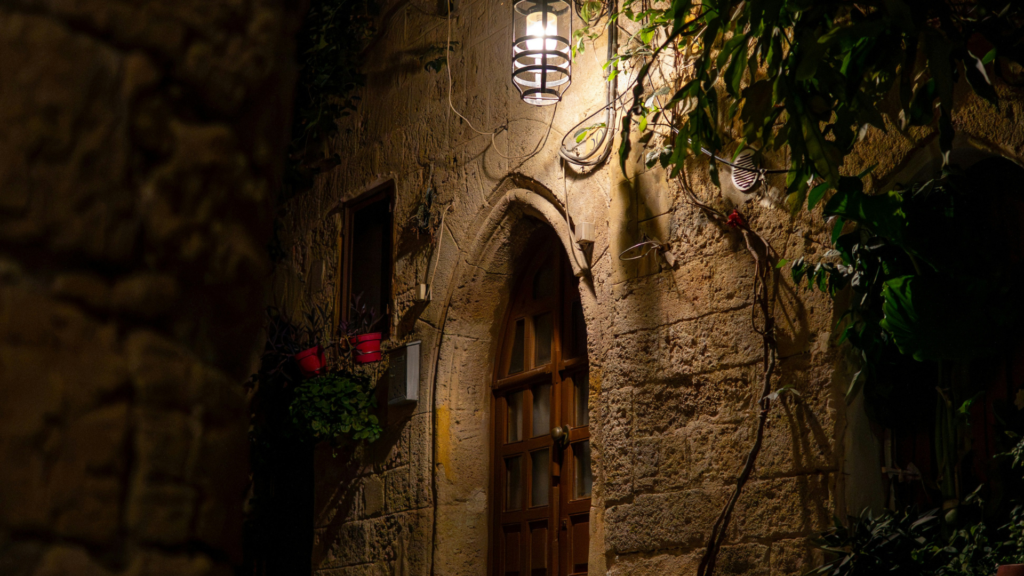
One of the things we began noticing as evening settled over European villages wasn’t just the architecture.
It was the light.
Small lanterns glowed beside heavy timber doors.
Warm light spilled gently onto cobbled streets.
Old glass panes reflected the last colours of the sunset.
Everything felt calm.
Nothing shouted for attention.
The entrances weren’t trying to impress anyone.
They were simply saying,
“Come home.”
Perhaps that’s why evening walks through Europe feel so memorable.
Even when you’ve never visited a street before, it somehow feels familiar.
Bring It Home
Warm exterior lighting can completely transform an entrance. Choose softer, warmer bulbs rather than harsh white lighting, and let your front door become an invitation rather than a spotlight.
It’s The Little Details We Remember
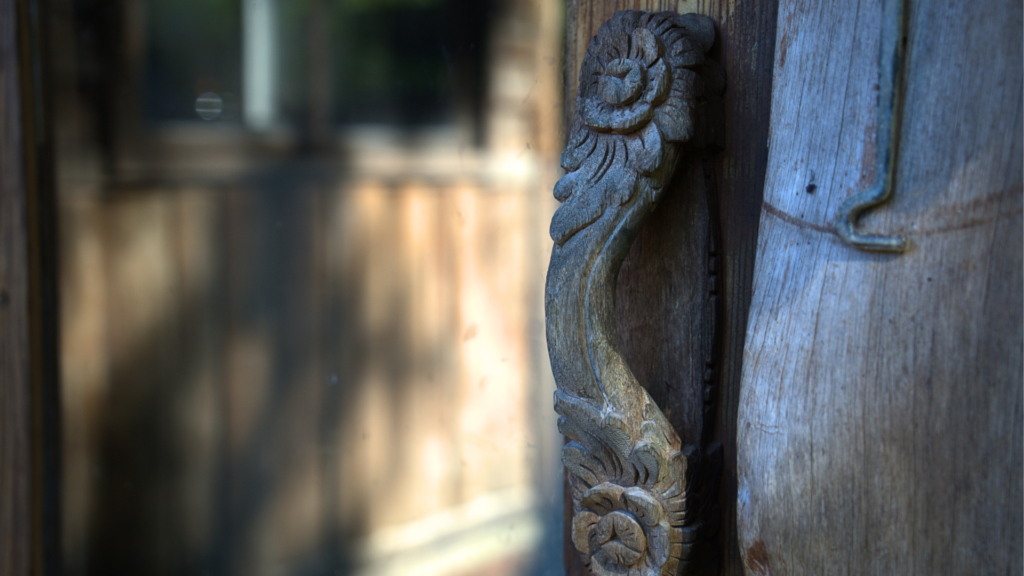
When we scroll back through our photographs today, it isn’t always the grand entranceways that make us stop.
Sometimes it’s the smallest details.
A weathered brass knocker polished smooth by countless hands.
An old ceramic house number that’s been there for decades.
A tiny terracotta pot overflowing with flowers beside the door.
A faded blue shutter left half open on a summer afternoon.
None of these things are expensive.
Yet together, they create something that’s difficult to describe.
Character.
Perhaps beautiful homes aren’t built all at once.
Perhaps they’re collected slowly, one thoughtful detail at a time.
Bring It Home
Choose details that feel personal rather than perfect. A vintage lantern, a ceramic pot, an old-style door handle or even a simple wreath can give your entrance warmth that flat-pack perfection never quite achieves.
The Most Beautiful Entrances Invite Curiosity
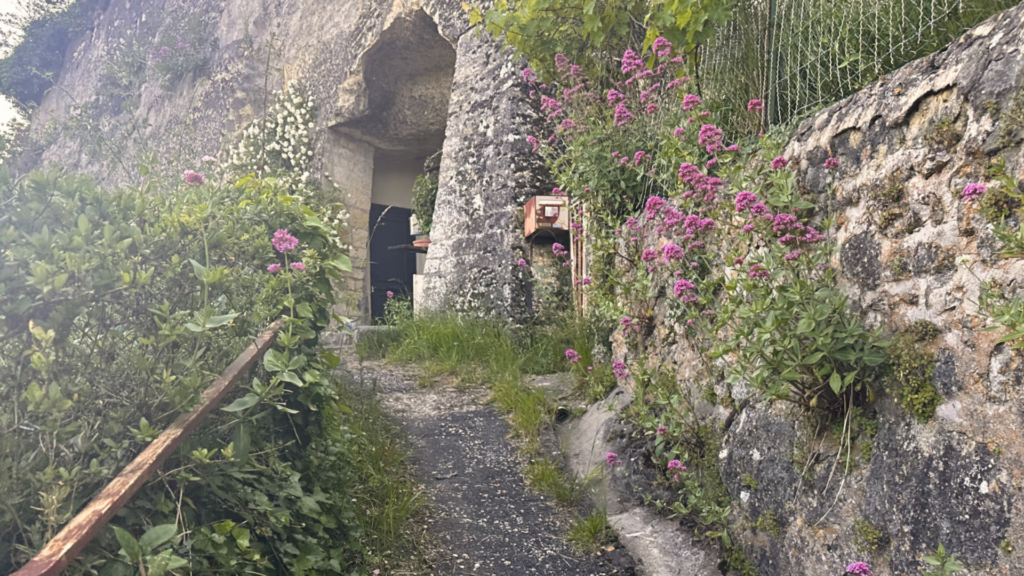
We’ve realised something while writing this article.
The front doors we photographed most weren’t necessarily attached to the grandest homes.
Often they belonged to ordinary cottages tucked down quiet laneways.
Tiny village homes.
Stone farmhouses.
Simple terraces covered in climbing roses.
They made us wonder.
Who lived there?
What stories had unfolded behind those walls?
What would it feel like to step inside?
Perhaps that’s the secret.
A beautiful doorway doesn’t reveal everything.
It leaves just enough mystery for your imagination to wander.
Final Thoughts
Travelling through Europe has taught us that beauty isn’t always found in the places everyone tells you to visit.
Sometimes it’s discovered while wandering without a destination.
Turning one more corner.
Following one more narrow lane.
Stopping in front of one more weathered doorway that somehow feels impossible to walk past.
Looking back now, we’ve realised we weren’t really photographing doors at all.
We were photographing possibilities.
Lives we’d never know.
Stories we’d never hear.
Moments that quietly reminded us every home has a history worth imagining.
Perhaps that’s why European doorways stay with us long after we’ve returned home.
They remind us that the most welcoming places rarely announce themselves.
They simply leave the door open.
From Our Travels
One of our favourite travel memories isn’t a famous monument or a world-renowned museum. It’s a quiet afternoon wandering through the villages of Brittany, where we found ourselves stopping every few minutes to admire another doorway. Somewhere along the way, we realised we were taking more photographs of front doors than landmarks…and we’ve never really stopped.
About the Author
Tyler is the co-founder of Cocktails & Cathedrals, where he and Britt share the stories, architecture and quiet beauty they discover while travelling through Europe. A traveller and photographer at heart, he’s drawn less to famous landmarks than to the hidden doorways, village streets and forgotten corners that reveal the true character of a place. Through Cocktails & Cathedrals, they hope to inspire readers to travel more slowly…and to bring a little of Europe’s timeless charm home.
Britt & Tyler
We’re Britt and Tyler, the two Australians behind Cocktails & Cathedrals. We’re drawn to old buildings, beautiful rooms, bookshops and places that seem to hold a story. Our journal brings those interests together, with a fondness for slow afternoons and a well-made cocktail. We hope it helps you find places you’ll want to linger.
Travel slowly. Stay beautifully.
A little more about us →