Why Beautiful Homes Aren’t Really About Money
Part One: The Feeling You Can’t Quite Buy
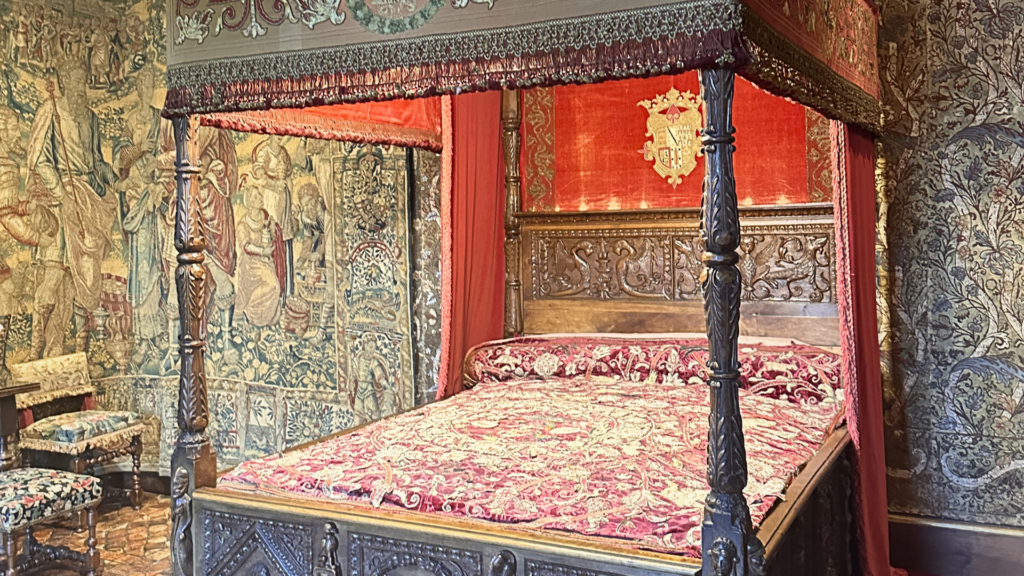
There are homes you walk into and admire.
Then there are homes you never quite forget.
Years later, you can’t remember the square footage or the brand of the sofa, but you remember the way the afternoon light spilled across an old timber floor. You remember the smell of coffee drifting through an open window. You remember shelves overflowing with books, a vase of flowers picked from the garden, and a dog asleep beside the fireplace as though it had occupied that exact spot for generations.
Those are the homes that stay with us.
And after years of travelling through Europe, I’ve started to notice something surprising.
The homes that leave the deepest impression are rarely the grandest.
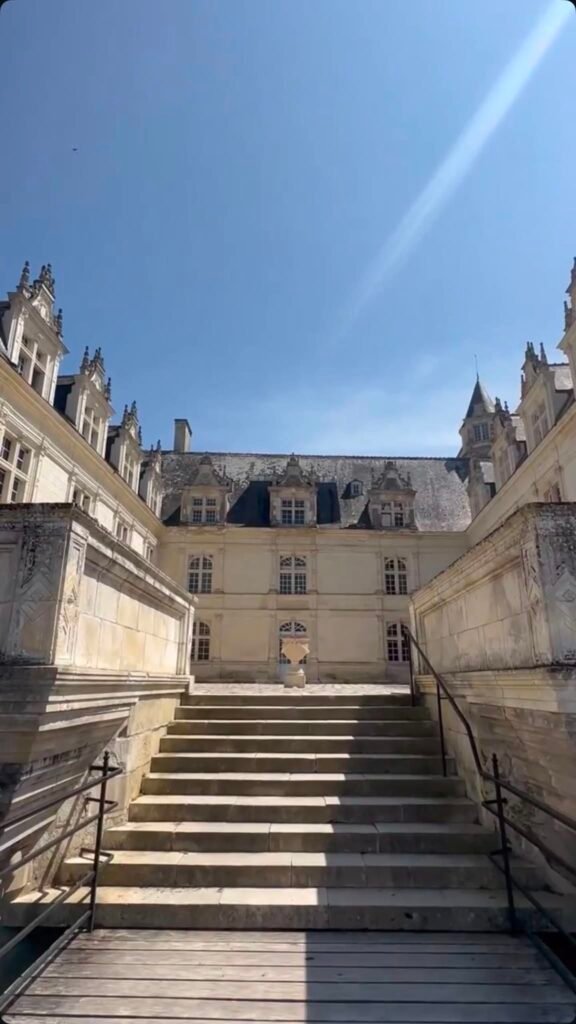
Of course, Europe has its palaces, sprawling villas and magnificent châteaux. They’re breathtaking, and I’ll never tire of wandering through them. But some of my favourite memories have come from places that would barely earn a second glance on a real estate website.
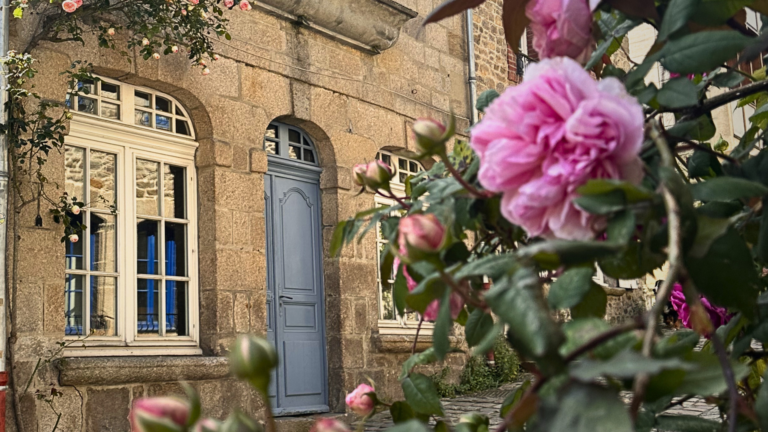
A weathered stone cottage tucked into a French village.
A tiny apartment in Italy where every meal somehow felt like a celebration.
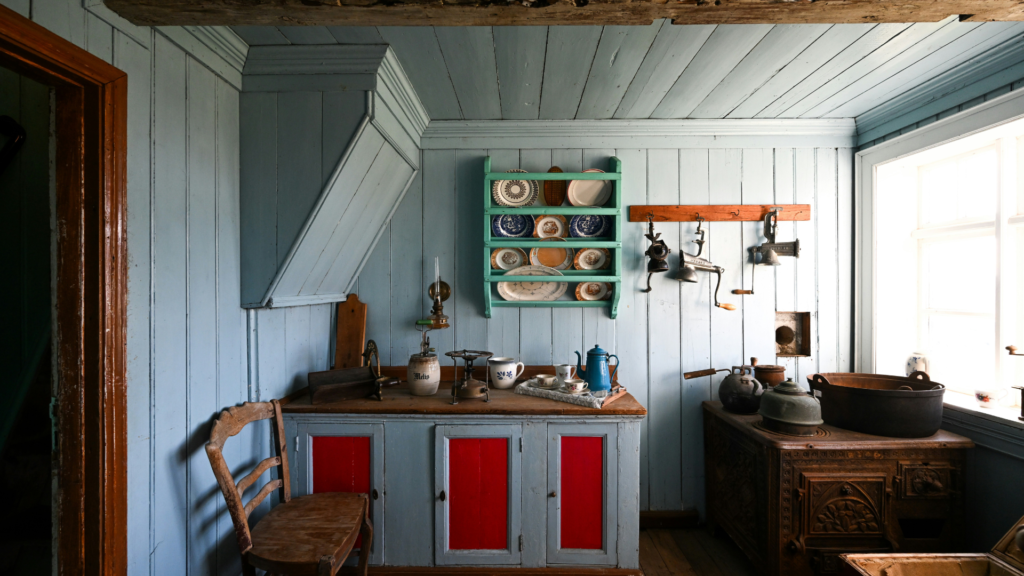
An old farmhouse with mismatched chairs, creaking floorboards and lace curtains that danced in the afternoon breeze.
None of them felt perfect.
Every one of them felt beautiful.
For a long time, I couldn’t explain why.
Like so many of us, I grew up believing beautiful homes were mostly about money. Bigger houses. Better furniture. Designer kitchens. Expensive renovations. It seemed logical enough. If you had enough money, surely you could create a beautiful home.
Travel has a funny way of challenging ideas you didn’t even realise you held.
Some of the most expensive homes I’ve ever visited have felt strangely empty. Immaculately designed, perfectly styled and photographed from every angle, yet somehow missing the thing that makes you want to linger just a little longer.
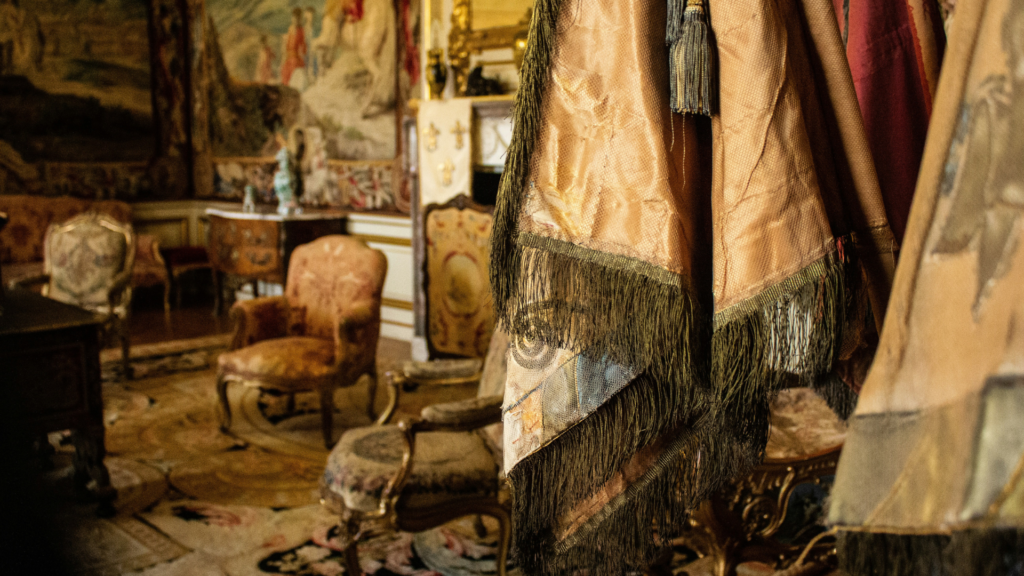
Then I’d step into a centuries-old apartment where nothing matched particularly well, the walls leaned ever so slightly, the dining table had probably seen four generations of family dinners, and suddenly I’d find myself wishing I could stay forever.
It wasn’t the furniture.
It wasn’t the postcode.
It wasn’t even the age of the building.
It was something much harder to describe.
Perhaps you’ve felt it too.
Maybe you’ve wandered through a small village in France where flower boxes overflow beneath faded shutters, or found yourself lingering in a family-run café long after your coffee was finished because the room simply felt good to be in.
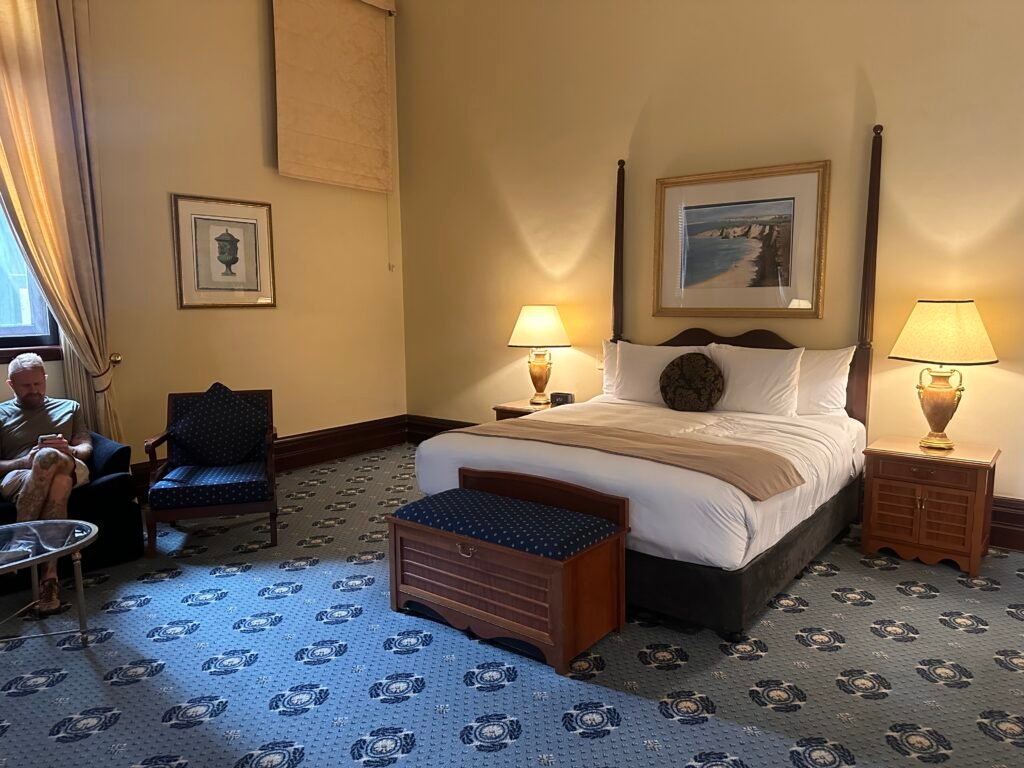
Maybe you’ve stayed in an old hotel where the staircase creaked beneath your feet, the wallpaper had softened with age, and every corner seemed to tell another story.
There’s a certain atmosphere that can’t be bought flat-packed or ordered online.
It’s collected.
Slowly.
Patiently.
Often without anyone trying particularly hard.
I think that’s one of the biggest differences between houses that impress us and homes that comfort us.
One is designed to be admired.
The other is designed to be lived in.
That’s why so many European homes feel different.
They haven’t always been chasing the next trend. Many have simply evolved over decades, sometimes centuries. One generation adds a bookshelf. Another plants the climbing roses outside. Someone inherits an old grandfather clock. A worn armchair stays because it’s comfortable, not because it matches the colour palette.
Nothing feels rushed.
Nothing feels disposable.
Everything seems to have earned its place.
There’s a quiet confidence in that.
It reminds us that a beautiful home doesn’t have to prove anything.
It doesn’t need to look like a showroom.
It doesn’t need every room renovated at once.
It doesn’t need the latest designer pieces sitting exactly where a magazine says they should.
Instead, it whispers rather than shouts.
It invites rather than impresses.
And perhaps that’s why we feel ourselves relaxing almost as soon as we walk through the door.
I often think about an apartment we stayed in that overlooked a narrow cobbled street. It wasn’t luxurious by any conventional measure. The kitchen was small enough that two people had to dance around each other while cooking. The bathroom tiles had clearly belonged to another decade. The windows let in just enough breeze to carry the sounds of neighbours chatting below.
Each evening we’d wander home with fresh bread tucked under one arm and a bottle of local wine under the other.
Dinner stretched for hours.
The windows stayed open long after sunset.
Church bells echoed across the rooftops while the sky slowly turned from gold to deep blue.
Looking back, I honestly couldn’t tell you what the kitchen benchtops were made from.
But I can tell you exactly how that apartment made me feel.
Safe.
Calm.
Present.
As though there was nowhere else in the world I needed to be.
That’s the feeling so many of us spend years trying to recreate without quite knowing how.
We renovate.
We redecorate.
We scroll endlessly through perfectly styled homes online, convinced the answer is another purchase or another project.
Sometimes it helps.
Often it doesn’t.
Because the feeling we admire isn’t hiding inside a price tag.
It’s hiding inside something much quieter.
It’s found in morning light filtering through linen curtains.
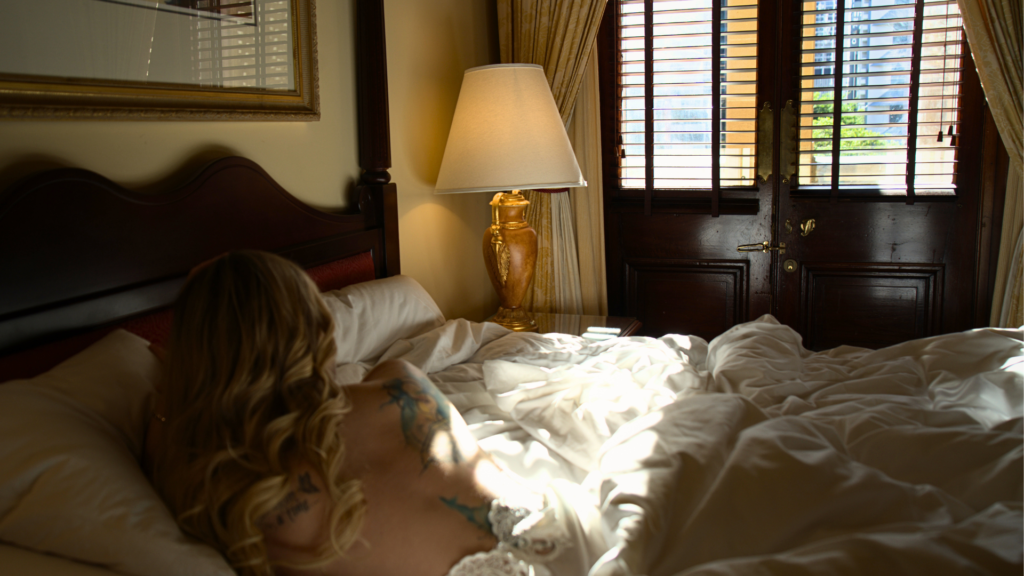
In books that have actually been read.
In wooden tables that bear the marks of countless family dinners.
In bowls of lemons left on the kitchen bench because someone stopped at the market on the way home.
In flowers picked from the garden rather than arranged by a florist.
In old photographs that remind us where we’ve been.
In candles lit for no special occasion.
In slowing down enough to notice any of it.
Perhaps that’s what Europe teaches us best.
Not that beautiful homes belong to wealthy people.
But that beautiful homes belong to people who pay attention.
Attention to light.
Attention to comfort.
Attention to tradition.
Attention to the small rituals that quietly transform an ordinary day into one worth remembering.
Money can certainly buy beautiful things.
No one would argue otherwise.
But it can’t buy history.
It can’t buy atmosphere.
It can’t buy memories.
And it certainly can’t buy the feeling that makes someone walk through your front door, exhale almost without noticing, and think…
“I could happily stay here all afternoon.”
In the next part, we’ll explore the timeless details that create that feeling—many of which cost surprisingly little, yet have been making European homes feel warm, welcoming and deeply loved for generations.
Why Beautiful Homes Aren’t Really About Money
Part Two: The Small Things That Quietly Change Everything
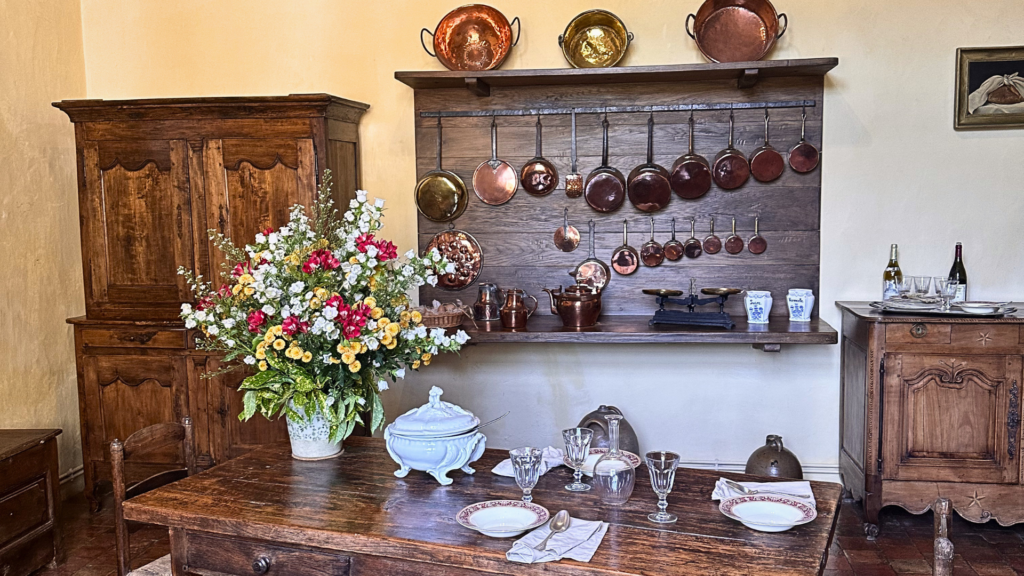
If you’ve ever returned home from Europe wondering why everything felt so different, it’s easy to assume the answer lies in centuries-old buildings or breathtaking scenery.
Those certainly help.
But I’ve come to believe the real magic lives somewhere much smaller.
It’s found in dozens of quiet decisions that, on their own, seem almost insignificant. Together, they create homes that feel warm, welcoming and deeply personal.
None of them require a castle.
Most don’t even require a renovation.
They simply ask us to notice.
Light Before Decoration
One of the first things I notice in an old European home isn’t the furniture.
It’s the light.
Morning sunlight spilling across worn floorboards.
Late afternoon rays catching floating dust motes in an old library.
A single lamp glowing softly in the corner instead of every ceiling light blazing at once.
The room feels calm before you’ve even looked around.
Natural light is treated almost like another piece of furniture.
Curtains soften it rather than block it.
Mirrors quietly bounce it deeper into the room.
And as evening arrives, lamps and candles replace harsh overhead lighting, gently changing the mood of the entire house.
It feels less like switching on a light.
More like slowing down for the evening.
Furniture That Has Earned Its Place
Walk through enough old European homes and something becomes obvious.
Very little matches.
The dining table may be older than the chairs.
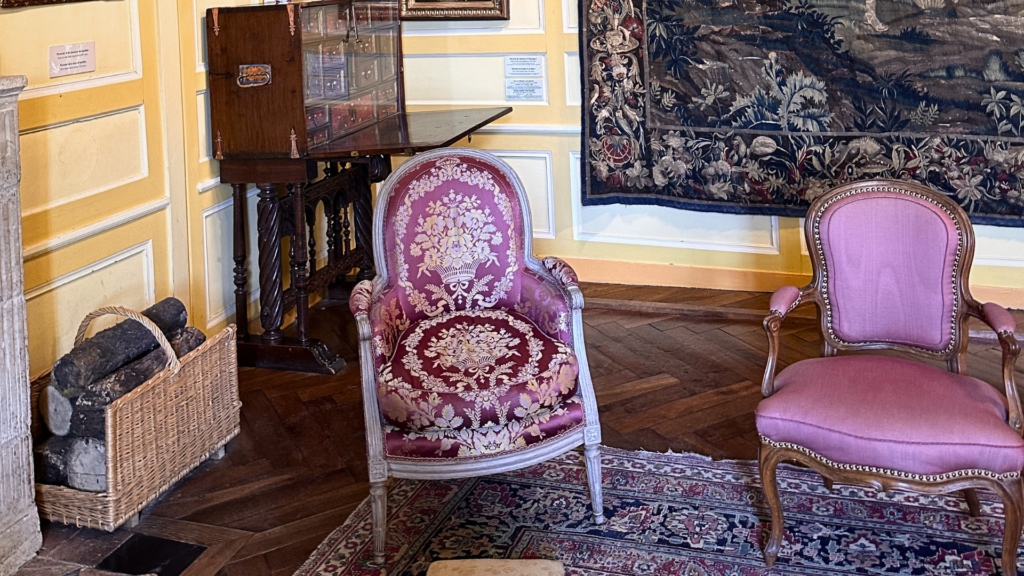
The armchair might have belonged to someone’s grandparents.
The sideboard could have scratches that no one has ever bothered to repair.
Nothing feels disposable.
Everything feels chosen.
Not because it was expensive.
Because it has remained useful.
There’s something deeply comforting about a home where furniture carries memories instead of simply filling space.
Books That Are Meant To Be Read
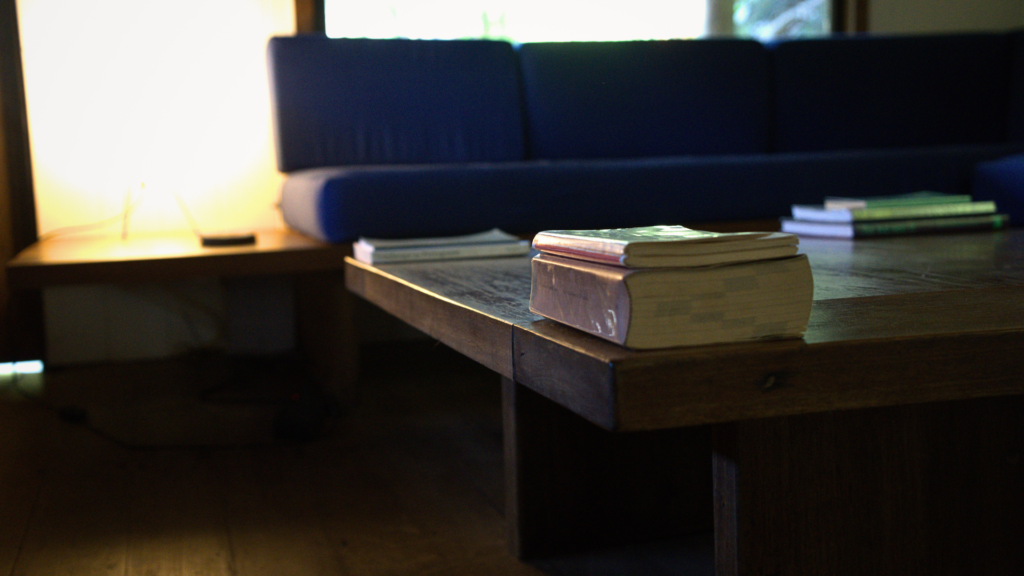
Books have a remarkable way of changing a room.
Not colour-coordinated stacks purchased by the metre.
Real books.
Cookbooks with stained pages.
Travel journals covered in notes.
Well-thumbed novels with folded corners.
Poetry collections waiting beside the bed.
Books quietly tell visitors what matters to the people who live there.
They invite conversation.
They encourage slower afternoons.
And they remind us that a beautiful home isn’t only something we see.
It’s something we experience.
Fresh Flowers — Even If They’re Imperfect
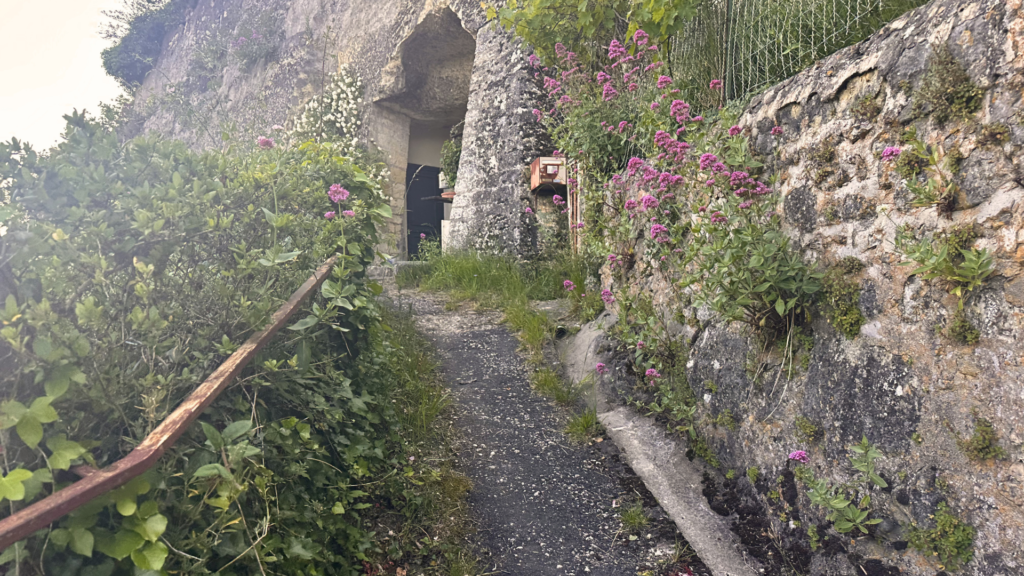
One of my favourite memories from travelling isn’t a famous landmark.
It’s watching an elderly woman in a tiny French village trimming roses from her garden before carrying them inside.
No grand arrangement.
No expensive bouquet.
Just flowers picked because they were blooming.
You’ll notice this all across Europe.
Wildflowers in old jam jars.
Lavender tied with twine.
Olive branches in stone pitchers.
Hydrangeas spilling from battered ceramic pots.
They aren’t perfect.
That’s exactly why they’re beautiful.
They remind us that homes should change with the seasons rather than remain frozen in time.
Linen That Softens With Age
There’s a reason old linen feels so luxurious.
Not because it’s flawless.
Because it isn’t.
It wrinkles.
It creases.
It becomes softer every year it’s washed.
Whether it’s curtains moving gently in an open window, a tablecloth laid for Sunday lunch or bedding that practically invites an afternoon nap, linen adds something difficult to describe.
Comfort without trying too hard.
It’s the opposite of precious.
It wants to be used.
Objects With Stories
One thing I’ve rarely found in memorable homes is clutter without meaning.
Instead, every shelf seems to contain little reminders of a life well lived.
A brass candlestick bought at a village market.
A shell collected on holiday.
An old family photograph.
A chipped ceramic bowl that somehow survived decades of dinners.
These aren’t museum pieces.
They’re conversation pieces.
Each one quietly says,
“This mattered to someone.”
Perhaps that’s what gives old homes so much soul.
Not the objects themselves.
The stories attached to them.
The Kitchen That Invites People To Stay
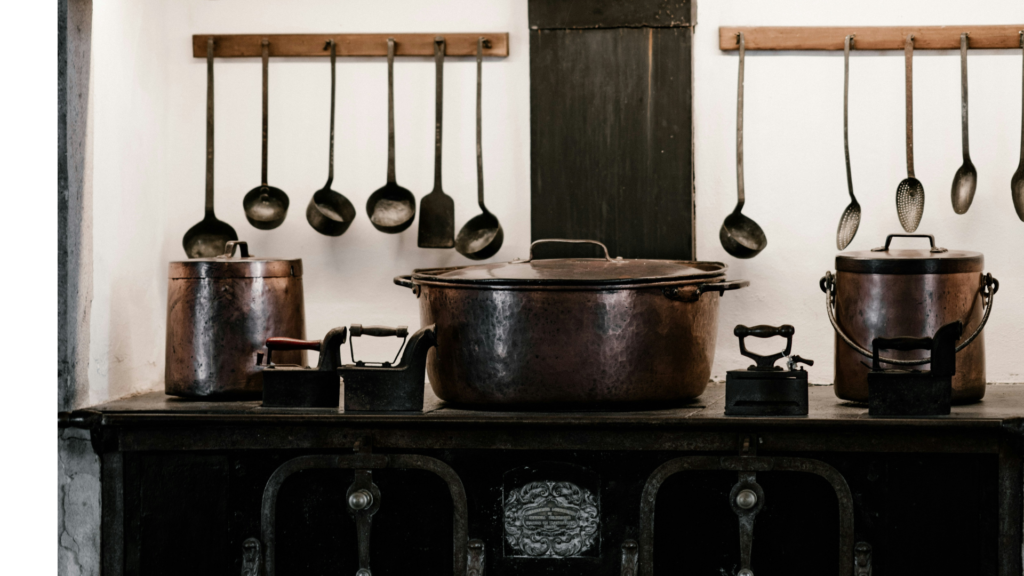
Some of the smallest kitchens I’ve ever seen have also been the hardest to leave.
Someone slices tomatoes while another pours wine.
Fresh bread waits on a wooden board.
Music drifts from another room.
Nobody seems in a hurry.
The kitchen isn’t simply where food is prepared.
It’s where life unfolds.
Where conversations stretch unexpectedly.
Where neighbours stop by.
Where children do homework.
Where birthdays begin.
It’s no coincidence that so many of our favourite memories happen around a table rather than in front of a television.
Candles For Ordinary Days
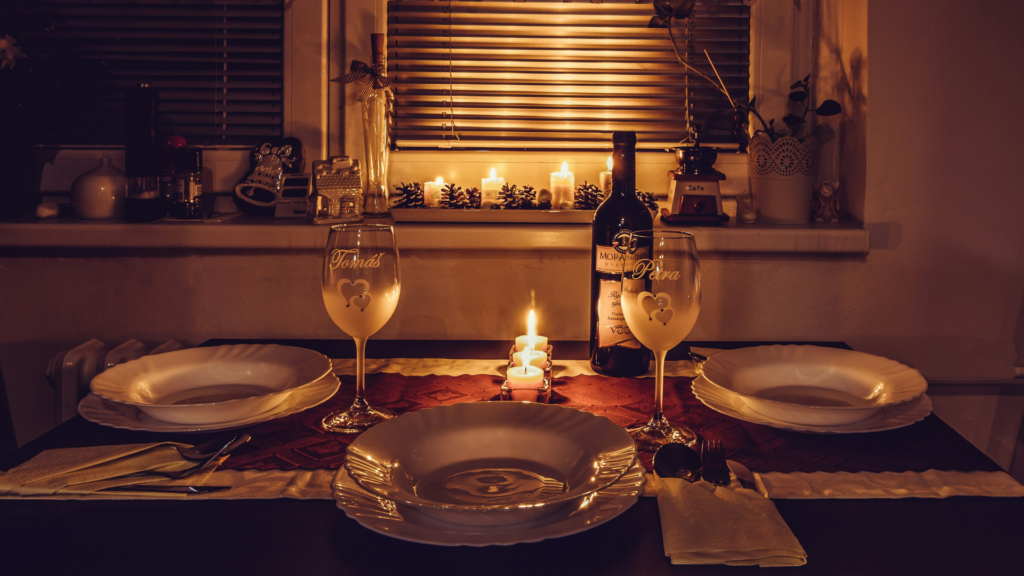
Somewhere along the way we’ve convinced ourselves candles should be saved for special occasions.
European homes often ignore that rule completely.
A candle with Tuesday dinner.
One burning while reading.
Another beside the bath.
They aren’t there because guests are coming.
They’re there because everyday life deserves beauty too.
That small ritual changes the atmosphere almost instantly.
Not dramatically.
Just enough.
Rooms That Aren’t Trying To Impress Anyone
Perhaps the biggest lesson I’ve learned is this.
The most memorable homes rarely seem concerned with whether anyone else approves.
They aren’t designed for social media.
They’re designed for real life.
There might be muddy boots by the door.
Fresh herbs drying in the kitchen.
A half-finished puzzle on the dining table.
The family dog asleep in a patch of sunshine.
Nothing feels staged.
Everything feels honest.
And strangely enough, that’s exactly what makes the home feel beautiful.
The Quiet Luxury Of Time
If there is one thing all these homes seem to share, it isn’t money.
It’s time.
Time to let timber darken naturally.
Time for gardens to mature.
Time for books to accumulate.
Time for children to grow.
Time for traditions to become habits.
Time for memories to settle into every corner.
We live in a world that constantly encourages us to replace, upgrade and move on.
Yet the homes we remember most often do the opposite.
They keep.
They mend.
They collect.
They wait.
Perhaps that’s why they feel so comforting.
Not because they’ve escaped the passing of time.
Because they’ve welcomed it.
And maybe that’s the greatest secret of all.
Beautiful homes aren’t created in a weekend.
They’re written slowly, chapter by chapter, by the ordinary moments that unfold within them.
In the final part of this series, we’ll look at how you can bring that same feeling into your own home—wherever you live and whatever your budget may be.
Why Beautiful Homes Aren’t Really About Money
Part Three: Bringing a Little More Europe Home
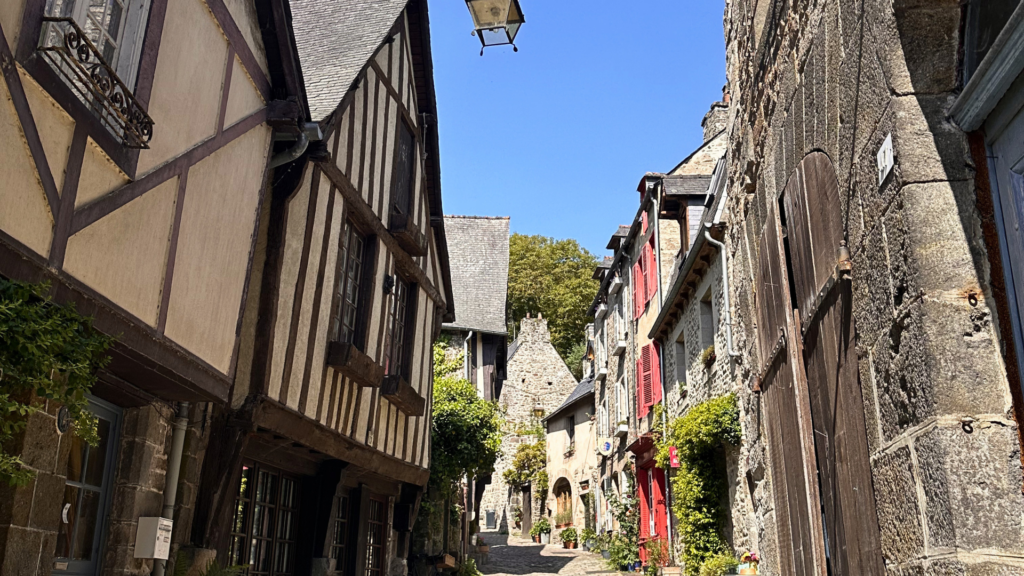
The wonderful thing about beautiful homes is that they rarely happen all at once.
They unfold.
A favourite mug finds its place on the shelf.
A climbing rose slowly reaches the window.
A dining table gathers another year of birthday candles, long lunches and conversations that stretch well into the evening.
Without anyone really noticing, a house begins to tell the story of the people who live there.
Perhaps that’s why trying to recreate a European home by buying everything at once so often feels disappointing.
You can fill a room with antique furniture.
You can paint the walls the perfect shade of warm ivory.
You can hang linen curtains, buy vintage brass candlesticks and scatter old books across every shelf.
And yet…
Something can still feel missing.
Because atmosphere isn’t something you purchase.
It’s something you practise.
I’ve often wondered why certain places stay with us long after we’ve unpacked our suitcases.
It isn’t because every detail was perfect.
In fact, it’s usually the opposite.
I remember windows that wouldn’t quite close.
Stone steps worn smooth by centuries of footsteps.
Church bells that arrived a little earlier than expected each morning.
Laundry dancing between old buildings.
The smell of fresh bread drifting through streets before breakfast.
A neighbour carefully watering flowers from a balcony that had probably looked much the same for fifty years.
None of those moments were luxurious.
They were simply alive.
Perhaps that’s what we miss when we come home.
Not Europe itself.
But the permission it quietly gives us to notice ordinary things again.
To eat dinner without rushing.
To open the windows even on cool mornings.
To light candles simply because it’s Wednesday.
To read another chapter before bed instead of another email.
To buy flowers from the market without waiting for a special occasion.
To linger over coffee.
To invite friends over even if the house isn’t perfectly tidy.
To use the good plates.
To pour the wine.
To sit outside as the sun disappears.
Those aren’t decorating ideas.
They’re ways of living.
And maybe that’s the secret hidden inside so many beautiful homes.
The rooms themselves matter.
But the rituals matter even more.
The kitchen feels warm because people gather there.
The armchair feels inviting because someone actually sits in it every afternoon.
The bookshelf feels interesting because the books have been read and loved.
The garden feels magical because somebody spends quiet mornings tending it.
Life leaves fingerprints everywhere.
Over time, those fingerprints become atmosphere.
I think we’ve become so used to seeing beautifully styled homes online that we’ve forgotten what real beauty often looks like.
Real beauty isn’t perfect.
It’s a loaf of bread cooling on the bench.
A basket of lemons from someone’s tree.
A linen tablecloth that’s slightly creased because lunch has just finished.
A stack of novels beside the bed.
Fresh herbs growing outside the kitchen door.
An old dog asleep in a patch of afternoon sunlight.
A grandfather clock that’s five minutes slow but has chimed through generations of family celebrations.
The best homes don’t hide evidence of life.
They celebrate it.
There’s something deeply reassuring about that.
It means none of us need to wait until we own a centuries-old farmhouse in Tuscany or a stone cottage in Provence before creating a home we love.
We can begin exactly where we are.
One candle.
One meal shared without phones.
One vase of flowers.
One afternoon spent reading by an open window.
One chair that’s repaired instead of replaced.
One favourite recipe cooked often enough to become a family tradition.
One photograph framed because it reminds us of somewhere that changed us.
Slowly, almost without noticing, those little choices begin to accumulate.
Not into a designer home.
Into your home.
And perhaps that’s the most beautiful lesson Europe has to offer.
Beauty was never meant to intimidate us.
It was meant to be lived with.
To become part of ordinary mornings and quiet evenings.
To soften the edges of everyday life.
Money can buy extraordinary houses.
It can buy marble kitchens, sweeping staircases, antique furniture and breathtaking views.
Those things are wonderful, and if you’re lucky enough to have them, enjoy every moment.
But they aren’t the reason some homes stay in our hearts forever.
The homes we remember are the ones where we felt welcome.
Where someone handed us a cup of coffee before we asked.
Where dinner somehow lasted three hours.
Where laughter echoed down old hallways.
Where every room seemed to whisper,
“Stay a little longer.”
That feeling isn’t reserved for castles or châteaux.
It can exist in a Queensland cottage.
A suburban townhouse.
A tiny apartment above a busy street.
A farmhouse surrounded by paddocks.
Anywhere, really.
Because the most beautiful homes have never been defined by their size, their postcode or their price.
They’re defined by the lives unfolding within them.
Perhaps that’s why, after every journey through Europe, I find myself bringing home fewer souvenirs than I once did.
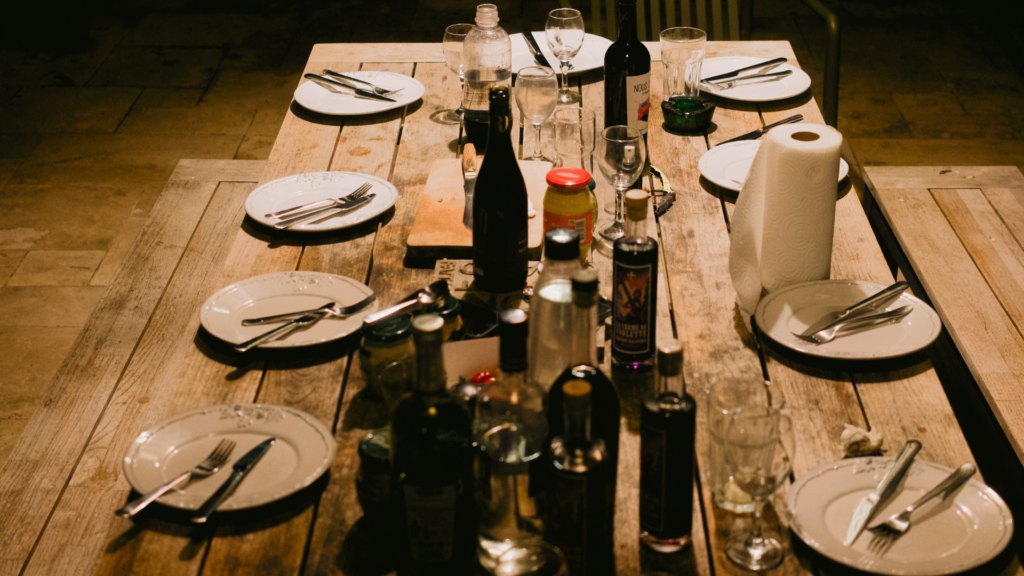
Instead, I bring home ideas.
I open the windows a little more often.
I buy flowers simply because they’re in season.
I leave a loaf of fresh bread on the kitchen bench.
I light candles with dinner.
I read another chapter before bed.
I linger over my morning coffee.
I invite friends around without worrying whether everything is perfect.
Little by little, those habits change the way home feels.
And isn’t that what we’re all searching for?
Not a magazine cover.
Not the perfect renovation.
Not a house that impresses strangers for five fleeting minutes.
Just a place that welcomes us back at the end of the day.
A place where life feels a little slower.
A little warmer.
A little kinder.
A place that quietly reminds us that the richest homes have never been the ones filled with the most expensive things.
They’ve always been the ones filled with the most love.
Before You Go…
If this article resonated with you, you might also enjoy exploring some of our favourite old-world inspirations:
- Why European Kitchens Feel So Warm
- Why Old-World Courtyards Never Go Out of Style
- 11 Château Bedrooms That Still Feel Wildly Luxurious Today
- Historic Hotels That Feel Like Living Inside a Novel
Sometimes the most beautiful ideas aren’t found in grand renovations.
Sometimes they’re waiting in the way an old window catches the afternoon light, or in the simple decision to set the table beautifully for an ordinary Tuesday.
Those are the moments worth bringing home.
Britt & Tyler
We’re Britt and Tyler, the two Australians behind Cocktails & Cathedrals. We’re drawn to old buildings, beautiful rooms, bookshops and places that seem to hold a story. Our journal brings those interests together, with a fondness for slow afternoons and a well-made cocktail. We hope it helps you find places you’ll want to linger.
Travel slowly. Stay beautifully.
A little more about us →