Italian Modern Interiors: 9 Ideas to Borrow from a Milan Apartment
Picture a dining room just before dinner. A white globe hangs low over a walnut table. The chairs are upholstered in the deep red of the vermouth someone has just poured. Through the open doors you can see a sliver of parquet and the curved arm of a chrome lamp. The table is set for four. You rather hope you’re invited.
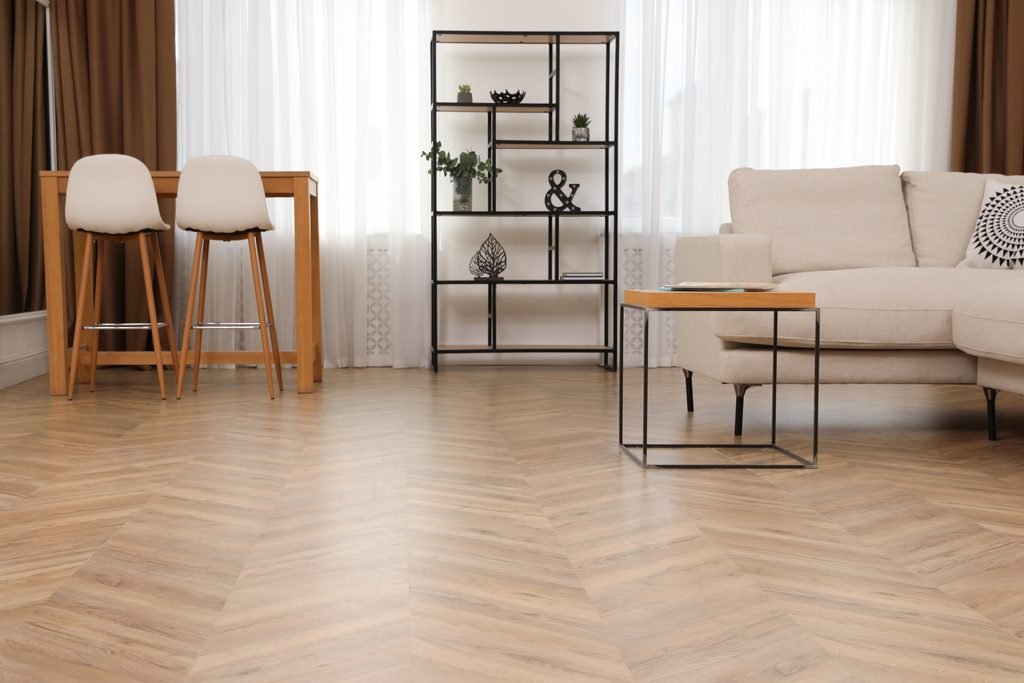
That’s the version of Italian modern interior design we’re exploring on Cocktails & Cathedrals. Italian modern covers an enormous range of rooms, from spare and architectural to colourful and downright eccentric. For this instalment, we’re taking our cues from Milan, where an old apartment makes a particularly good home for a slightly surprising piece of furniture.
If Milan is on your travel list, start with Villa Necchi Campiglio. Designed by Piero Portaluppi and built between 1932 and 1935, the house has a library, a smoking room and a glazed veranda overlooking the garden. Take a look at the veranda in particular. A room can feel wonderfully civilised when the most interesting thing to do in it is sit down and look outside. Here are nine ways to bring a little of that Milanese sensibility home.
1. Give the oldest detail in the room some company
Imagine an ornate plaster cornice above a plain cream sofa. Your eye follows the carving, then drops to the clean horizontal line beneath it. Put an equally elaborate sofa there and you lose that little pause between the two.
Look for a detail your home already has. It might be a timber door with a beautiful surround, an old brass latch or a run of patterned floorboards. Give it a modern neighbour. A simple dome lamp on the hall table can make you notice the shape of a panelled door you’ve walked past for years.
2. Run one long line of dark timber across the room
A low walnut sideboard earns its wall space twice. From the doorway you see one long sweep of grain. Up close, there’s somewhere to put the record player, pour a drink or lay out plates when the dining table fills up.

For a second-hand find, look closely at the doors when they’re shut. Grain that continues from one panel into the next is often the loveliest feature of the piece. Give it room to show. A lamp at one end and a clear stretch of timber beside it can be the whole arrangement.
3. Bring marble down to the size of a side table
A small disc of veined marble beside a favourite chair gives you a better view of the stone than a great expanse across the kitchen. You’ll see its markings every time you set down a book. White stone with grey veining looks crisp against tobacco leather. A darker green slab picks up beautifully against pale upholstery.
If you already have enough tables, try a stone tray on the sideboard. Take the timber colour into account when you choose it. Cream travertine against dark walnut gives both materials a distinct edge.
4. Let a lamp reach into the conversation
In 1962, Achille and Pier Giacomo Castiglioni designed the Arco floor lamp with a marble base and a long steel arch that could carry light over a table. It solved a very familiar problem. The place you want to sit and the place the electrician put the ceiling light can be several feet apart.
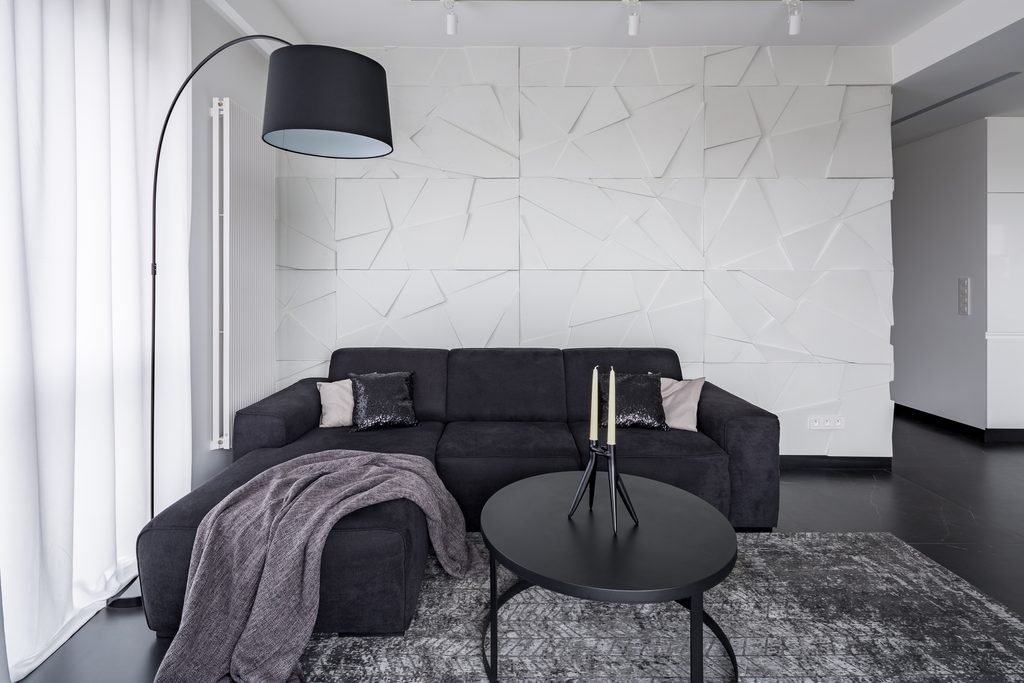
Borrow the thinking for your own living room. Place the foot of an arc lamp beyond the sofa arm and let the shade reach towards the coffee table. Sit down before you settle on its position. You want to see the face of the person opposite and the cards in your hand.
5. Try a little oxblood at the dinner table
There’s a particular pleasure in seeing a deep wine-red chair tucked under a dark timber table. In daylight the red brings out the warmth of the wood. Come evening, a white plate and a folded napkin look especially sharp against the pair.
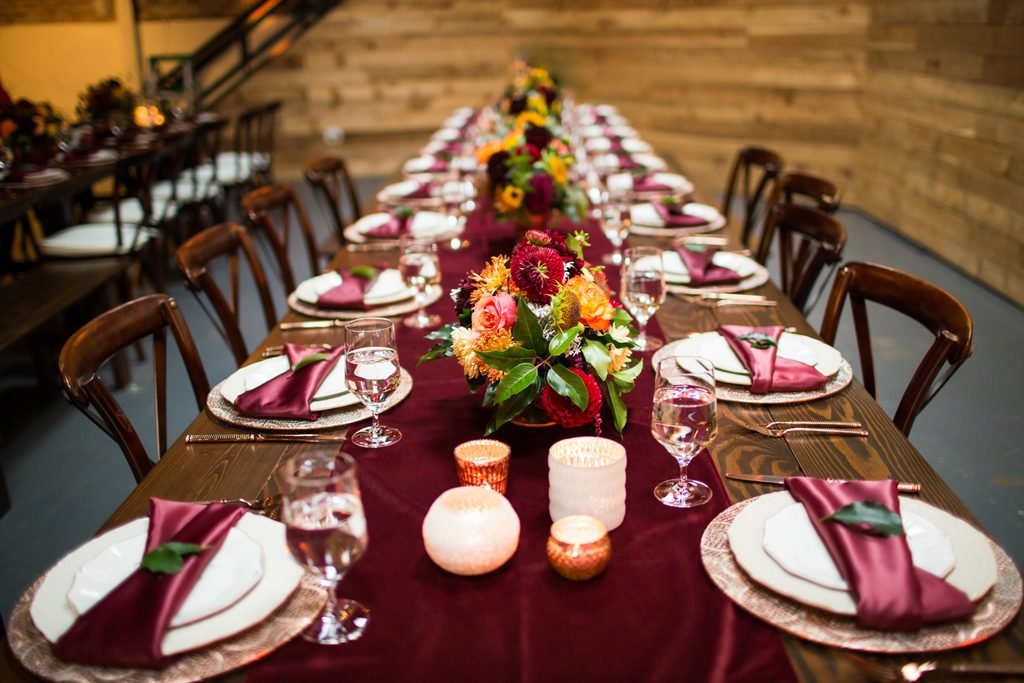
An easy way to audition the colour is to lay a burgundy runner lengthways down the table and leave the timber edges showing. If you love it after a week, consider recovering the seats of a pair of dining chairs. A small amount of mohair or velvet goes a long way on a seat pad. For more ways to dress the table, borrow a few dining room ideas from European bistros.
6. Choose an armchair by its side profile
We tend to shop for chairs head-on, although at home we often see them sideways from a doorway. A low chair with a bent timber arm, a sloping leather seat or a tubular chrome frame can give an ordinary corner a remarkably good silhouette.
Before buying anything, turn a chair you own a quarter turn towards the window. Stand where you usually enter the room. Can you see daylight beneath the seat? Does the arm draw a pleasing line? Sometimes the piece you wanted was already there, facing the wrong way.
7. Give the evening drinks their own patch of light
The nicest place for an aperitivo at home might be the end of a sideboard. Give two glasses, a bottle and a small bowl of olives a tray of their own. Then add the thing that makes the corner worth visiting after dark. A low lamp beside the tray catches the rim of each glass and lets you pour without switching on the ceiling lights.
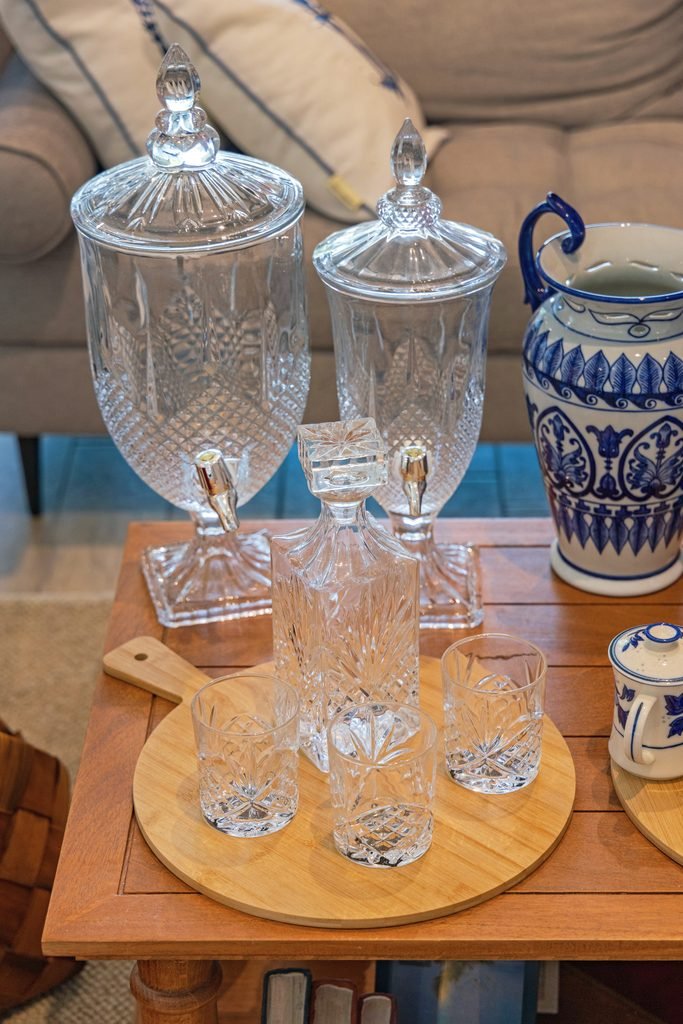
Ribbed or amber glass is particularly good here. The ridges cast little stripes on the wall, while amber throws a honey-coloured patch across the timber. Either gives an otherwise quiet room a bit of life at six o’clock. A tray makes a good starting point for a hotel-inspired home bar.
8. Hang a graphic print where you can read it from the door
A bold exhibition poster makes sense in a room full of finely grained materials. You can read its lettering and see its blocks of colour from the far side of the room. Walk closer and the parquet, upholstery and timber grain come back into focus.
A poster from a gallery you’ve visited gives the room a little of your own history. Try it above the dining bench, where you’ll see it as you approach the table. If one colour in the print happens to echo the chairs, resist the urge to match everything else. That one connection will carry across the room.
9. Save the window seat for an ordinary Tuesday
Back to that veranda in Milan. The detail worth bringing home is the invitation to sit by the glass. Even a modest window can do the job if the chair is comfortable and there’s somewhere within reach for a cup.
Pull the chair close enough to see out while seated. Put a little table on the side your hand naturally falls to and see what the light does there in the late afternoon. A garden view is lovely. A street tree or the changing shadows on the building opposite can be equally absorbing. If you tend to bring a book to the window, try these reading nook ideas from European libraries and bookshops.
If you try one idea this weekend, make it that corner. Bring over the lamp you usually leave in the hall, pour something you enjoy and stay there until the room grows dim. By then you’ll have a pretty good idea what your own version of a Milan apartment looks like.
Britt & Tyler
We’re Britt and Tyler, the two Australians behind Cocktails & Cathedrals. We’re drawn to old buildings, beautiful rooms, bookshops and places that seem to hold a story. Our journal brings those interests together, with a fondness for slow afternoons and a well-made cocktail. We hope it helps you find places you’ll want to linger.
Travel slowly. Stay beautifully.
A little more about us →