
9 Old-World Dining Room Ideas Inspired by European Bistros and Manor Houses
Discover nine old-world dining room ideas inspired by intimate Parisian bistros and elegant English country houses, bringing warmth and European charm into your home.
There is something rather wonderful about a long dinner in Europe.
Perhaps it is a little Parisian bistro, where bentwood chairs gather around marble-topped tables and conversations continue long after the plates have been cleared. Or an Italian country house, where an enormous wooden table sits beneath an antique chandelier, ready for another evening of good food, wine and lively conversation.
Then there are the grand dining rooms of English manor houses, with their dark timber furniture, old portraits, candlelit tables and the wonderful sense that countless dinners have taken place there before.
These rooms are rarely perfect. Their beauty lies in the character accumulated over time.
And that is precisely what makes old-world European dining rooms so appealing.
You do not need a French château, a Tuscan villa or an English country estate to borrow their atmosphere. With a few carefully chosen pieces, warm lighting, beautiful textiles and a little imagination, even an ordinary dining room can become a place that feels wonderfully removed from everyday life.
Here are nine ways to bring that timeless European charm into your own home.
1. Begin with a Timber Dining Table Full of Character
Every memorable dining room begins with somewhere to gather.
In traditional European homes, the dining table is rarely just another piece of furniture. It is the centre of the room, a place for family meals, celebrations, conversations and the occasional dinner that stretches late into the evening.
An old timber table immediately brings warmth and character to a space.
Think of the heavy oak tables found in English country houses, the long farmhouse tables of rural Provence or the beautifully worn wooden surfaces of Italian villas.
The most interesting examples often have a little history written into them. Scratches, softened edges and variations in the timber are not necessarily flaws. They are part of what makes the furniture feel authentic.
You might choose:
- A solid oak farmhouse table with a natural finish
- A dark walnut table for a more formal, traditional atmosphere
- An antique pedestal table for a smaller dining room
- A vintage extending table that can accommodate extra guests
There is no need to purchase something enormously expensive.
Second-hand furniture shops, antique dealers and vintage marketplaces can be wonderful places to find dining tables with far more personality than many new alternatives.
A beautifully aged table, even when surrounded by relatively simple furniture, can give an entire room a sense of permanence.
The old-world touch: Leave some of the timber visible rather than covering the entire surface. A linen runner, a ceramic bowl or a simple arrangement of flowers can be enough.
2. Borrow the Charm of European Bistro Chairs
Few pieces of furniture capture the romance of a European café quite like a bentwood chair.
With their curved backs, slender silhouettes and practical design, bentwood chairs have been a familiar sight in European cafés and restaurants since the nineteenth century.
They are especially associated with the traditional coffeehouses of Vienna and the intimate bistros of Paris.
And they work just as beautifully at home.
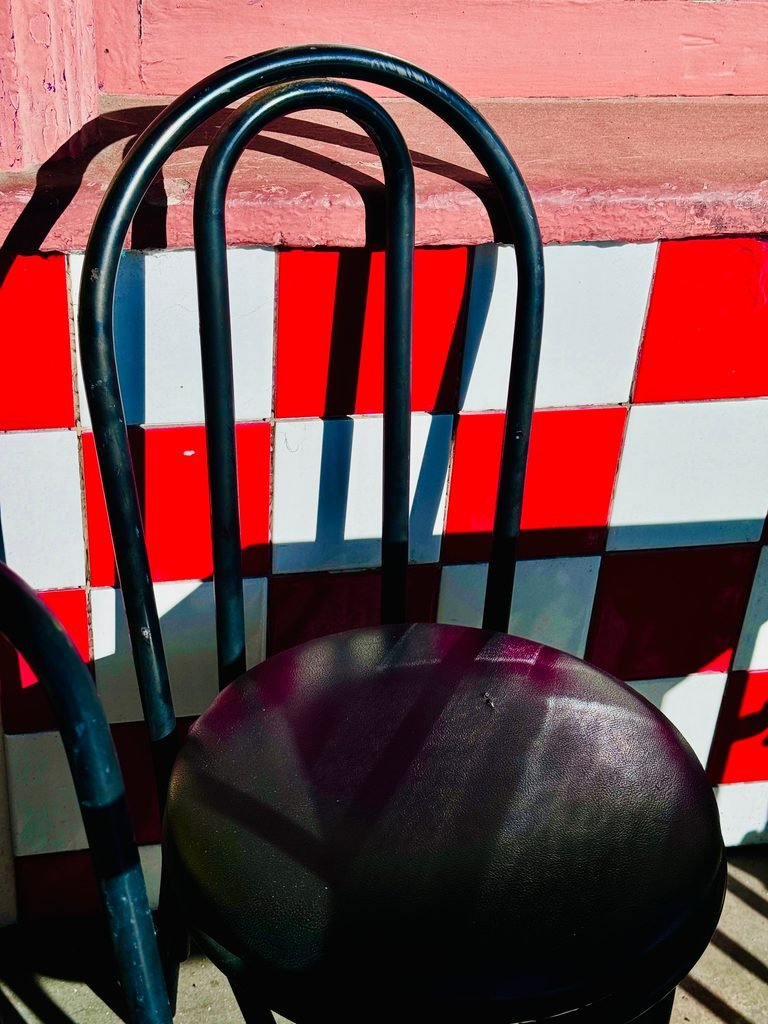
A collection of dark timber bentwood chairs can instantly make a dining room feel a little more European. Their elegant curves introduce detail without overwhelming the room, while their relatively lightweight appearance works particularly well in smaller spaces.
For something more formal, consider upholstered dining chairs inspired by English manor houses or traditional French interiors.
Muted velvet, tapestry-style fabrics, antique leather and natural linen can all create a sense of understated luxury.
You can even combine different styles.
A rustic timber dining table might be surrounded by simple bistro chairs, with two upholstered armchairs positioned at either end.
It is the kind of arrangement that feels collected over time rather than purchased as a perfectly matching set.
The old-world touch: Look for chairs in dark walnut, blackened timber or warm antique finishes. Avoid anything that feels too glossy or overly coordinated.
For more inspiration from Europe’s traditional cafés, explore our guide to bringing old-world coffeehouse style into your home.
3. Make Lighting the Most Romantic Feature in the Room
There is a reason so many beautiful European restaurants feel magical in the evening.
The lighting is doing much of the work.
Rather than illuminating every corner with bright overhead lights, traditional dining rooms often rely on a softer combination of chandeliers, wall sconces and table lamps.
The effect is intimate, warm and flattering.
A statement chandelier can transform even a relatively ordinary dining room into something special.
In an English country house, that might mean an antique brass chandelier with gracefully curved arms. In a French-inspired interior, perhaps a delicate crystal fitting or an aged iron chandelier. In a rustic Italian dining room, a simpler wrought-iron design can feel equally appropriate.
The secret is not necessarily grandeur.
It is atmosphere.
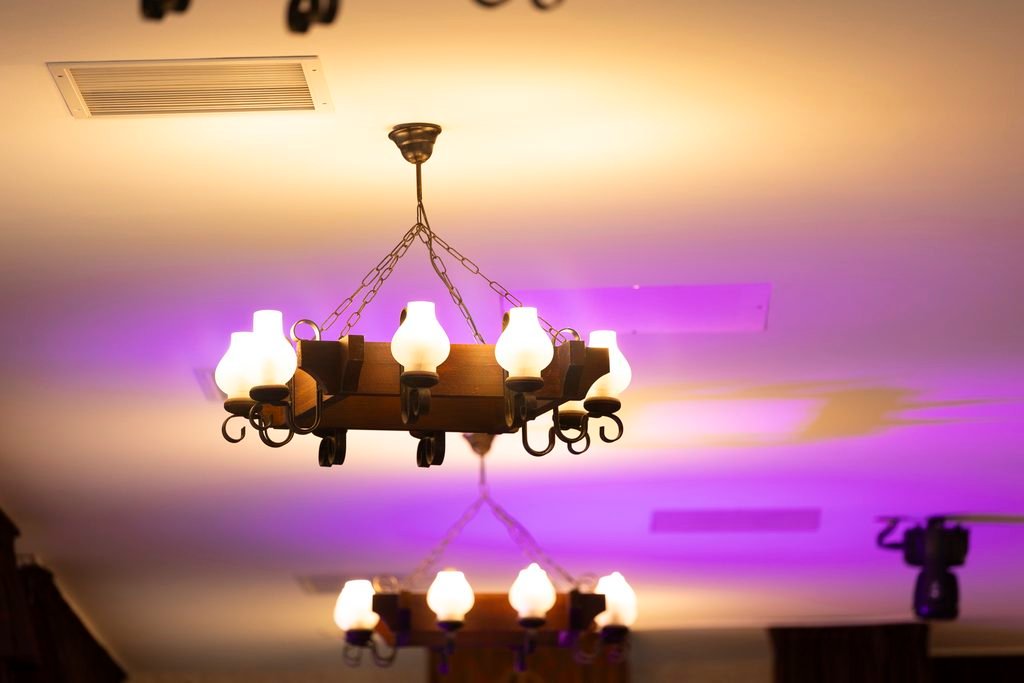
A modest chandelier with a beautiful silhouette can be far more effective than an enormous, elaborate fixture that overwhelms the room.
Consider pairing your main light with:
- Warm-white bulbs and dimmable lighting
- Antique-style brass wall sconces
- A small shaded lamp on a sideboard
- Low, gentle lighting around the edges of the room
A dining room should feel welcoming during the day, but its real magic often appears after sunset.
The old-world touch: Choose warm, layered lighting rather than relying on a single bright ceiling fixture. A dimmer switch is one of the simplest ways to make an ordinary dinner feel like an evening in a European restaurant.
4. Choose Rich Colours Inspired by Historic European Interiors
Old-world European dining rooms rarely feel afraid of colour.
While contemporary interiors often favour pale neutrals, historic rooms embrace deeper, more expressive shades.
Think of the olive-green walls of an intimate Italian restaurant, the oxblood upholstery of a traditional Parisian dining room or the muted cream panelling found in an English country house.
These colours create an immediate feeling of warmth and depth.
And because dining rooms are often used in the evening, they are particularly well suited to richer palettes that become beautiful under soft lighting.
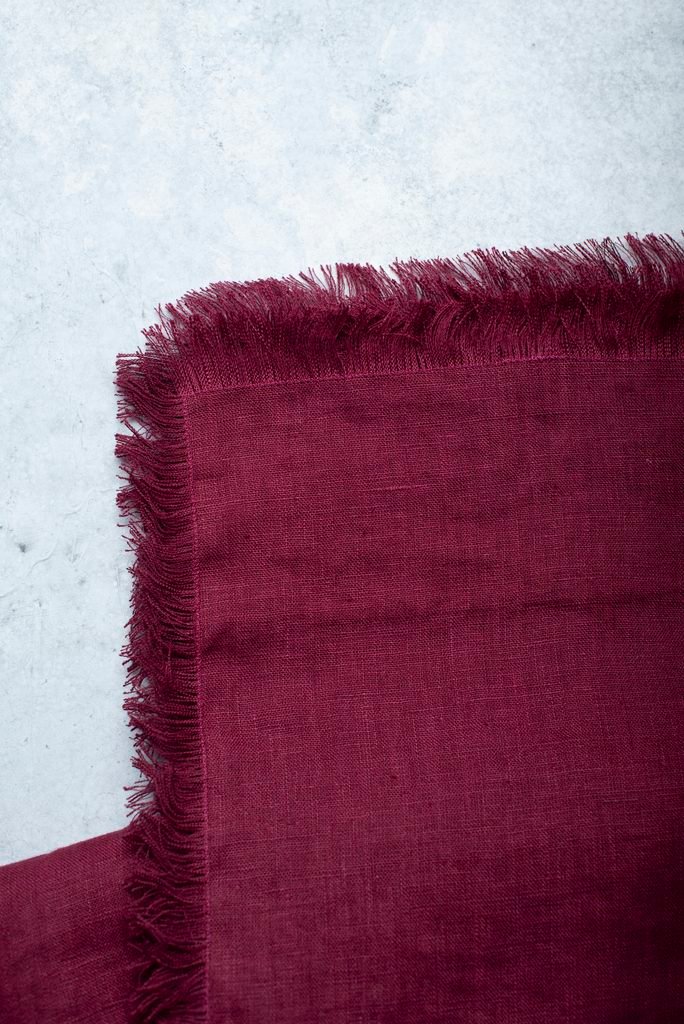
A few colour combinations worth considering
Oxblood, antique cream and dark walnut
A dramatic combination inspired by historic European dining rooms. Oxblood walls or upholstered chairs can look wonderful alongside dark timber furniture, antique brass and softly coloured linen.
Olive green, aged gold and warm ivory
An elegant palette that brings to mind Italian villas and traditional French interiors. Olive walls provide a sophisticated backdrop for gilt mirrors, vintage artwork and timber furniture.
Charcoal, burgundy and muted beige
For a slightly moodier dining room, charcoal creates depth while burgundy textiles and warm neutral accents prevent the space from feeling cold.
Antique cream, tobacco brown and faded rose
A softer alternative with the quiet elegance of an English manor house. This palette works particularly well with upholstered seating, decorative mouldings and vintage artwork.
You do not need to paint the entire room to introduce these colours.
Curtains, cushions, upholstered chairs, a vintage rug or even a carefully chosen tablecloth can bring richness to an otherwise neutral interior.
The old-world touch: Choose colours that look slightly aged or muted rather than overly bright. Historic European interiors often gain their beauty from subtle variations in tone.
If you enjoy exploring historic interiors through colour, explore these eight Art Nouveau colour palettes inspired by European interiors.
5. Add a Vintage Mirror to Create Depth and Elegance
Walk into an old Parisian restaurant and there is a good chance you will find a mirror somewhere on the wall.
Sometimes it is enormous, framed in ornate gilded timber and positioned above a banquette. Other times it is a beautifully aged mirror tucked between traditional wall panels.
Mirrors have long been used in European interiors to reflect light, create depth and make rooms feel more spacious.
In a dining room, they can be especially effective.
A large antique-style mirror above a sideboard can become a natural focal point, while a collection of smaller vintage mirrors can introduce character to an otherwise plain wall.
There is something particularly beautiful about mirrors that are not entirely pristine.
Subtle foxing, aged frames and imperfect finishes can make them feel as though they have belonged to the room for generations.
For a French-inspired dining room, consider an ornate gilded mirror with a curved top.
For an English country-house atmosphere, a simpler dark timber or antique brass frame might feel more appropriate.
And for a slightly more dramatic European bistro look, a large rectangular mirror above dark timber panelling can be wonderfully effective.
The old-world touch: Position a mirror where it can reflect a chandelier, wall lamp or beautiful part of the room. The reflected light adds depth and warmth without requiring more furniture or decoration.
6. Set the Table with Beautiful Linen and Relaxed Elegance
One of the loveliest things about traditional European dining is that the table often feels inviting rather than excessively formal.
A linen tablecloth might be slightly rumpled. The napkins may be casually folded beside the plates. There might be a simple jug of flowers in the centre, accompanied by a bowl of fruit and a few pieces of beautiful glassware.
Nothing necessarily looks arranged for a photograph.
And yet the result is effortlessly elegant.
Natural linen is one of the easiest ways to introduce this atmosphere at home.
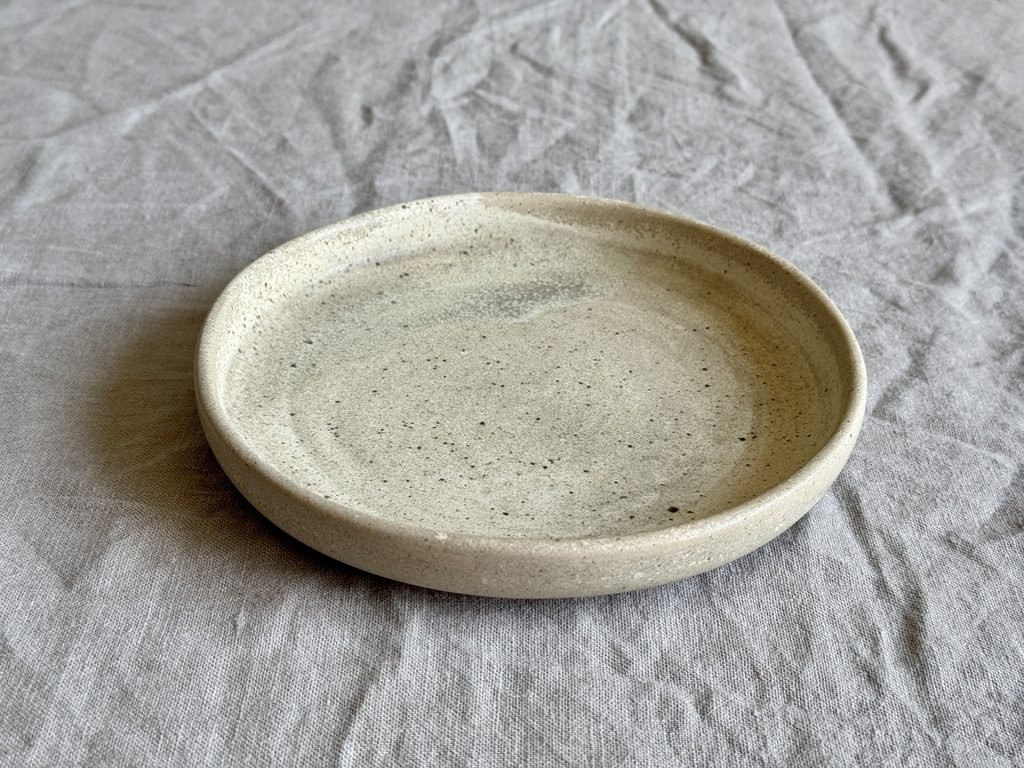
Linen softens with use and develops a relaxed, gently rumpled appearance.
A washed linen tablecloth in antique cream, oatmeal or muted olive can transform a plain dining table into something reminiscent of a French country house.
For a more dramatic evening setting, deeper colours such as burgundy, tobacco or charcoal can look particularly beautiful alongside aged brass and warm lighting.
You might layer the table with:
- A natural linen tablecloth or simple runner
- Softly folded cloth napkins
- Vintage ceramic plates
- Clear or lightly tinted glassware
- A small arrangement of seasonal flowers or greenery
- A ceramic jug or serving bowl
The trick is to avoid making everything too perfect.
European country-house charm often comes from the feeling that the table has been prepared with care, but without fuss.
The old-world touch: Keep a beautiful linen tablecloth and a few cloth napkins on hand for ordinary meals, not just special occasions. Sometimes the simplest dinner deserves a lovely table.
7. Collect Crockery and Glassware That Tell a Story
A dining table becomes far more interesting when everything does not come from exactly the same collection.
In old European homes, crockery and glassware are often accumulated over many years.
There might be inherited plates, mismatched serving dishes, antique wine glasses and a favourite ceramic jug brought home from a market.
Together, they create a table that feels personal and full of character.

You can recreate this atmosphere without spending a fortune.
Vintage shops and second-hand stores often contain beautiful pieces of European-inspired tableware, from delicate floral plates to simple stoneware bowls and elegant glass decanters.
Consider mixing:
- White porcelain plates with decorative vintage side plates
- Traditional patterned ceramics with plain stoneware
- Clear wine glasses with a few coloured vintage glasses
- Silver-plated serving utensils with rustic wooden boards
- Simple drinking glasses with an elegant glass water carafe
The most successful combinations tend to share something in common, perhaps a similar colour palette, material or level of formality.
A collection of entirely unrelated objects can look cluttered, but thoughtfully mixed pieces can feel sophisticated.
And there is no need to display everything at once.
A few treasured serving dishes on a sideboard, ready for the next dinner, can be as decorative as the furniture itself.
The old-world touch: Begin collecting one or two interesting pieces whenever you visit an antique shop or flea market. Over time, your dining room will develop its own personality.
8. Introduce Artwork and Architectural Detail
Some of the most beautiful dining rooms in Europe owe much of their character to the walls.
In grand historic homes, decorative cornices, timber panelling, elaborate plasterwork and framed paintings provide a sense of architecture and permanence.
Even relatively modest European apartments can feel atmospheric when their walls are filled with carefully chosen artwork.
Fortunately, you do not need an enormous renovation budget to borrow this idea.
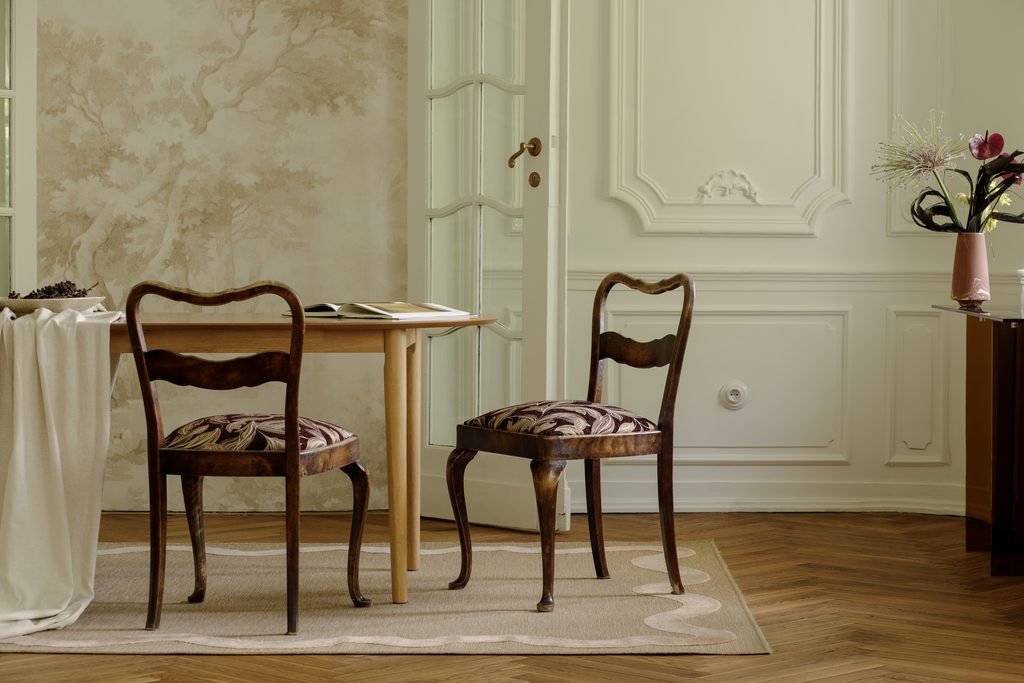
Simple decorative wall mouldings can add elegance to an otherwise plain dining room, particularly when painted the same colour as the walls.
Picture-frame moulding, for example, creates subtle architectural interest without requiring elaborate ornamentation.
Timber panelling or a traditional dado rail can also work beautifully, especially in rooms inspired by English country houses or classic French interiors.
Artwork offers another opportunity to introduce old-world charm.
Consider landscapes, traditional still-life paintings, botanical illustrations or vintage architectural prints.
A dark oil-painting-style still life depicting fruit, flowers or a beautifully arranged table can look particularly appropriate in a dining room.
Alternatively, a collection of smaller framed pictures can create the relaxed atmosphere of a country house where artworks have been gathered over decades.
Choose frames with character: antique gold, dark timber, aged brass or simple black finishes.
The old-world touch: Do not feel obliged to hang every picture at precisely the same height or use identical frames. A carefully arranged collection of different artworks often feels more authentic than a perfectly matched gallery wall.
For more ideas about layering period detail into your home, explore our guide to Art Nouveau interior design, with its flowing lines and botanical ornament.
9. Create a Charming Sideboard for Drinks and Entertaining
A well-stocked sideboard makes a dining room feel ready for company.
In traditional European homes, sideboards have long provided storage for serving dishes, table linens, glassware and the occasional bottle brought out at the end of a meal.
But they also offer an opportunity to create one of the most atmospheric corners of the room.

A dark timber sideboard with vintage brass handles can immediately suggest an English manor house, while a more delicate antique cabinet might suit a French-inspired dining room.
An Italian country-house aesthetic might call for a rustic wooden cupboard topped with ceramics, glassware and a simple arrangement of flowers.
The surface can become a place to create a relaxed entertaining display.
A beautiful decanter, a few wine glasses, a polished silver tray, perhaps a bottle of something special.
Add a small shaded table lamp and an antique mirror above, and the entire corner begins to feel like a charming European bar.
It is especially effective in dining rooms that are used for entertaining.
Rather than leaving bottles, serving dishes and glassware scattered across the dining table, a sideboard gives everything its own place.
It also creates a sense of occasion.
Even a quiet dinner at home feels a little different when you can finish the evening with a drink poured from a beautiful decanter.
The old-world touch: Arrange glassware and a decanter on a vintage tray, with a small shaded lamp beside it. Leave enough space on the sideboard for serving food or drinks. The result should feel elegant and useful.
A Dining Room That Invites You to Linger
The most beautiful old-world European dining rooms are not necessarily the grandest.
They are the rooms that make people want to stay.
A comfortable chair. A beautifully worn wooden table. Soft light reflecting in an antique mirror. The quiet elegance of linen, old paintings and a collection of glassware gathered over the years.
None of these details needs to be especially expensive or elaborate.
In fact, a room filled entirely with new furniture can sometimes feel less interesting than one containing a few thoughtfully chosen vintage pieces.
The secret is to build the atmosphere slowly.
Begin with one piece that you love, perhaps an old oak table or a vintage sideboard. Introduce richer colours, soften the lighting and collect beautiful objects that mean something to you.
Above all, make the room somewhere you genuinely enjoy spending time.
Because the appeal of a Parisian bistro or an Italian country-house dining room is not simply the furniture, the architecture or the decoration.
It is the feeling of being somewhere that encourages you to forget the time.
And sometimes, with the right atmosphere, a simple dinner at home can feel almost like an evening away.
Frequently Asked Questions
How can I make my dining room look old-world European?
Start with natural materials such as timber, linen, ceramic and aged metal. Add vintage-inspired furniture, warm lighting, traditional artwork and a rich but muted colour palette. Mixing a few older pieces with simple modern furniture can create a collected, timeless appearance without making the room feel overly formal.
What colours work best for a European-inspired dining room?
Oxblood, olive green, antique cream, tobacco brown, charcoal and muted burgundy are all beautiful choices. Pair deeper colours with warm timber, natural linen and antique brass to create an inviting atmosphere.
Can I create a European bistro dining room in a small space?
Absolutely. A small round timber table, bentwood chairs, a vintage mirror and a warm pendant light can create a charming bistro atmosphere without taking up much room. In fact, intimate dining spaces often suit this style particularly well.
How do I make a dining room feel elegant without spending too much?
Concentrate on lighting, second-hand furniture and a few well-chosen decorative details. A vintage mirror, linen tablecloth, framed artwork and attractive glassware can make a significant difference without requiring a complete renovation.
Do all the dining room chairs need to match?
Not at all. Mixing chairs can give a dining room a relaxed, collected appearance reminiscent of European country houses. Try keeping the timber tones or upholstery colours similar so the arrangement feels intentional rather than random.
At Cocktails & Cathedrals, we believe beautiful places are not only destinations to visit, but atmospheres worth bringing home. From historic European coffeehouses to elegant country-house interiors, a little old-world inspiration can turn everyday moments into something rather special.
Britt & Tyler
We’re Britt and Tyler, the two Australians behind Cocktails & Cathedrals. We’re drawn to old buildings, beautiful rooms, bookshops and places that seem to hold a story. Our journal brings those interests together, with a fondness for slow afternoons and a well-made cocktail. We hope it helps you find places you’ll want to linger.
Travel slowly. Stay beautifully.
A little more about us →
3 Comments