9 Old-World Reading Nook Ideas Inspired by European Libraries and Bookshops
From Parisian literary salons to the atmospheric libraries of Prague, discover how to create a beautiful reading corner filled with old-world European charm.
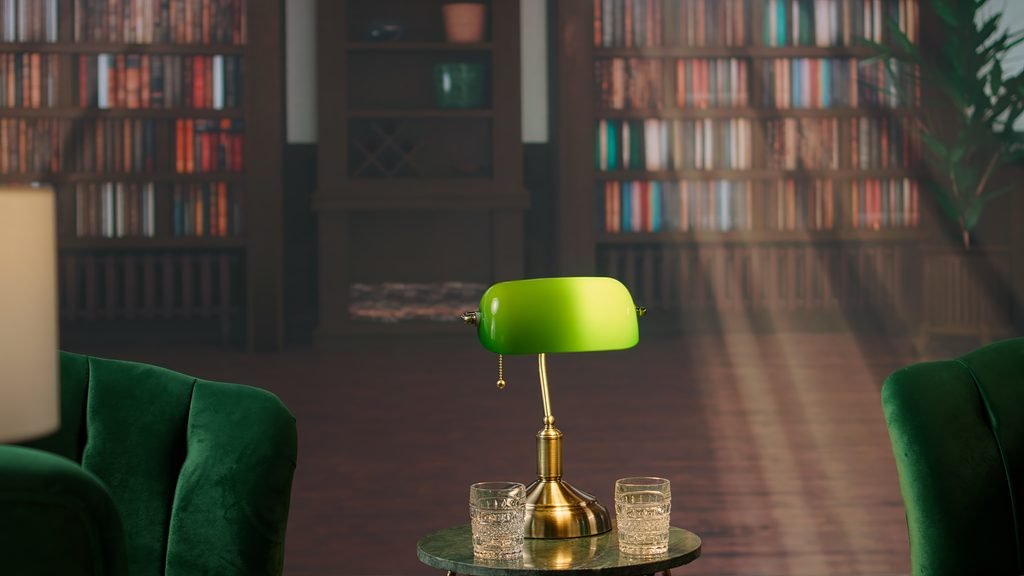
There is something wonderfully indulgent about disappearing into a good book. Not simply reading a few pages before bed, but settling into a beautiful corner of the house with a cup of coffee, a warm lamp and nowhere particularly urgent to be.
Europe has long understood the appeal of such places.
In the historic libraries of Prague, books sit beneath painted ceilings and elaborate plasterwork. London’s second-hand bookshops offer crooked shelves, worn leather bindings and the quiet pleasure of discovering something unexpected. In Paris, literary cafés and intimate salons have provided places to read, think and converse for generations.
These are interiors that invite us to linger.
And while most of us cannot install a Baroque ceiling or fill a room with centuries-old books, we can borrow something from their atmosphere.
Creating an old-world reading nook is less about recreating a particular historic room and more about capturing the feeling of one. A comfortable chair, a little architectural character, warm light and a few carefully chosen objects can transform even an overlooked corner into somewhere rather special.
Here are nine ways to bring the romance of Europe’s libraries, bookshops and literary interiors into your home.
1. Begin with a Proper Reading Chair — Inspired by a London Bookshop
In an old London bookshop, furniture rarely appears to have been selected as part of a coordinated decorating scheme. A leather chair might sit beside a mismatched wooden table, its arms softened by years of use. Books are stacked wherever space allows, and the whole arrangement feels reassuringly permanent.
It is a wonderful starting point for a reading nook.
Rather than choosing a chair simply because it matches your sofa, look for something with character. A vintage wingback, a generously proportioned armchair or a traditional leather club chair can establish the mood of an entire corner.
Deep brown leather works particularly well with dark timber and antique brass, while velvet in forest green, burgundy or tobacco creates a softer, more romantic atmosphere.
Comfort matters just as much as appearance. A chair that looks magnificent but becomes uncomfortable after twenty minutes is unlikely to become anyone’s favourite place to read.
Choose one with good back support, enough room to change position and arms at a comfortable height.
Bring the look home: Pair a vintage-style armchair with a small wooden side table, a soft wool throw and a floor lamp. Allow the pieces to look as though they have been collected over time rather than purchased together.
2. Surround Yourself with Books — Inspired by the Libraries of Prague
Prague’s historic libraries are among Europe’s most extraordinary interiors, where shelves of books become part of the architecture itself.
The magnificent Baroque library at the Klementinum is an especially beautiful example, with richly decorated ceilings, dark shelving and globes that evoke an earlier age of scholarship and exploration.

At home, the effect need not be quite so elaborate.
Even a relatively modest bookcase can transform a reading corner when books are treated as an essential part of the room rather than accessories added at the end.
Consider a tall wooden bookcase, floating shelves painted to match the walls or a narrow shelving unit tucked beside a chair. Where possible, take shelving higher up the wall to create a sense of height and enclosure.
Books look most inviting when they are arranged naturally. Mix upright volumes with a few horizontal stacks. Leave space for a small framed print, a ceramic vessel or an object discovered while travelling.
Resist the temptation to make everything perfectly symmetrical.
A good library should feel lived in.
Bring the look home: Paint inexpensive shelving in a deep, muted colour such as charcoal, olive or dark walnut brown. Fill it with books you actually enjoy, leaving a little space for personal objects and travel souvenirs.
3. Create a Pool of Warm Light — Inspired by a Viennese Reading Room
Vienna’s historic coffeehouses have perfected a particular kind of atmosphere.
The lighting is rarely harsh. Instead, chandeliers, wall fittings and shaded lamps create pockets of warmth against timber panelling, upholstered seating and polished stone.
The result is a room that feels inviting even on the greyest afternoon.

A reading nook benefits from the same approach.
Overhead lighting alone can make a corner feel exposed and ordinary. A dedicated reading lamp creates a sense of intimacy, visually separating your chair from the rest of the room.
Look for lamps with aged brass, bronze, dark metal or timber finishes. Traditional fabric shades, opaline glass and classic banker-style lamps can all complement an old-world interior.
The important consideration is that the light falls comfortably across the pages of your book without creating glare.
Warm-toned bulbs contribute to the atmosphere, although the lamp must still provide enough illumination for comfortable reading.
If space allows, add a small secondary light to illuminate nearby shelves or artwork.
Bring the look home: Choose a traditional brass floor lamp or a small shaded table lamp with an adjustable light source. Keep the ambient lighting warm, and position the reading light where it illuminates the book rather than shining into your eyes.
4. Embrace Rich, Literary Colours — Inspired by a Parisian Salon
Imagine a Parisian apartment with tall windows, old parquet flooring, an antique mirror and walls painted in a deep, complicated shade of green.
A velvet chair sits beneath a framed portrait. Books spill across a marble-topped table, and the room looks particularly beautiful as the afternoon light begins to fade.
There is something wonderfully confident about an interior that embraces colour.

For a reading nook, a rich palette can make even a small space feel intentional and intimate.
Forest green, oxblood, deep aubergine, tobacco brown and charcoal all work beautifully with old books, antique timber and traditional fabrics.
But darker colours are not the only possibility.
A softer Parisian-inspired corner might feature warm ivory walls, faded rose upholstery, walnut furniture and aged brass details. The atmosphere can be romantic without being especially dark.
If your reading nook occupies part of a larger room, consider painting just the surrounding wall or a recessed alcove. This creates a visual boundary without requiring an entirely separate space.
Alternatively, introduce the palette through upholstery, curtains, cushions or a patterned rug.
Bring the look home: Start with one dominant colour and layer two or three complementary tones. Deep green, antique beige and oxblood make a particularly beautiful combination, especially when balanced with dark timber and warm metal finishes.
5. Claim the Window Seat — Inspired by an English Country Library
Few places are more appealing for reading than a comfortable seat beside a window.
In an English country house, a library window might overlook a garden, a courtyard or a stretch of countryside. Inside, heavy curtains soften the light while bookshelves and timber furniture create a sense of warmth and permanence.
It is an atmosphere worth borrowing, even when the view is considerably less romantic.
A reading nook beside a window offers two pleasures: natural light during the day and the quiet enjoyment of watching the world outside.
If you have a bay window, a built-in bench with a generous cushion can create a particularly beautiful reading spot.
But a dedicated window seat is not essential.
A comfortable armchair positioned beside an ordinary window can work just as well. Add a narrow table for tea, a small footstool and curtains that soften the surrounding space.
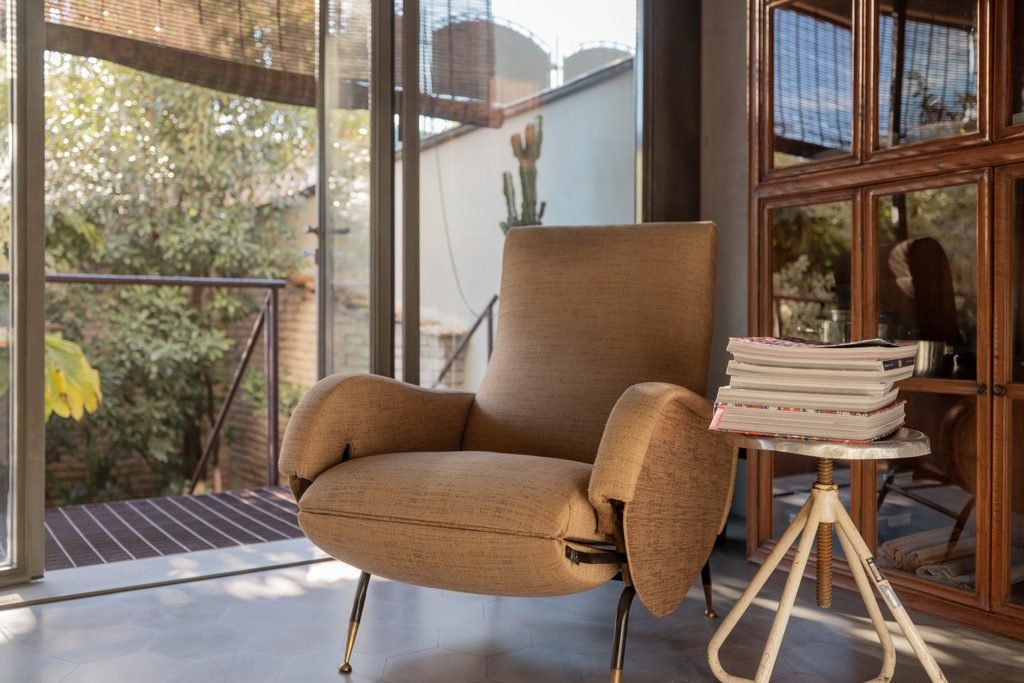
Consider how the light changes throughout the day. Direct afternoon sun may require a sheer curtain or blind, while a cooler corner might benefit from warmer textiles.
And remember that the nook should remain equally appealing after dark.
Bring the look home: Position a comfortable chair near a window, add a wool or linen throw and frame the space with full-length curtains. A small lamp allows the corner to transition naturally from afternoon reading to a quiet evening indoors.
6. Add an Antique Table — Inspired by a Budapest Literary Café
Budapest’s historic cafés are celebrated for their sense of grandeur, with decorative interiors, marble tables and an atmosphere that recalls the city’s rich literary culture.
While their chandeliers and ornate ceilings may be difficult to reproduce at home, one of their simplest pleasures is remarkably easy to borrow.
A beautiful little table.
Every good reading nook needs somewhere to place a coffee, a half-finished book or a pair of spectacles.
Yet the table can contribute far more than practicality.
A small marble-topped café table introduces a distinctly European character. A dark wooden pedestal table feels more traditional, while a vintage brass-and-glass piece brings a little understated glamour.
Second-hand shops and antique markets are excellent places to look for unusual shapes and interesting finishes.
An imperfect piece with a few marks may have more charm than something brand new.
The table should be large enough to be useful but not so substantial that it overwhelms the chair or makes the corner difficult to move around.
Bring the look home: Look for a small round wooden or marble-topped table. Add a ceramic coffee cup, a favourite book and perhaps a modest vase or decorative object. Keep the surface mostly clear so it remains practical.
7. Layer Faded Rugs and Beautiful Textiles — Inspired by a Venetian Palazzo
Venice is a city of extraordinary textures.
Inside its historic palazzi, patterned floors, sumptuous fabrics, carved furniture and centuries of decorative detail create interiors that feel both theatrical and deeply atmospheric.
A reading nook can borrow some of that richness without becoming overly formal.
Start beneath your feet.
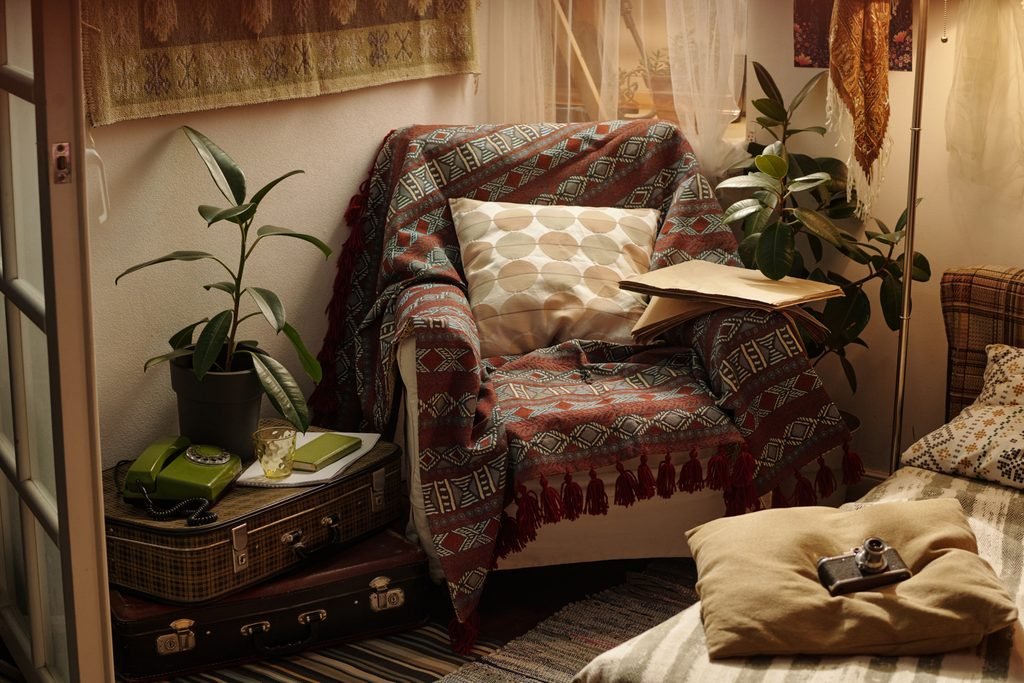
A faded Persian-style rug or traditional patterned carpet can visually anchor a reading chair, particularly when the nook forms part of a larger living space.
Look for muted reds, indigo, antique gold, faded terracotta or earthy browns.
Then introduce textiles that invite touch.
Velvet cushions, wool throws, linen curtains and softly worn leather create a layered effect that feels collected rather than decorated.
The trick is to vary the textures without introducing too many competing patterns.
A richly patterned rug might sit comfortably beneath a plain velvet chair, while an intricately upholstered armchair could be balanced with a simpler floor covering.
A reading corner should feel luxurious in a quiet, comfortable way.
Bring the look home: Begin with a vintage-style rug just large enough to sit beneath the front legs of your chair and extend into the surrounding space. Add a soft throw and one carefully chosen cushion. A few beautiful textures are usually more effective than a crowded collection of accessories.
8. Decorate with Literary Objects — Inspired by an Oxford Study
An old university study has a character that is difficult to imitate with newly purchased decorations.
Its appeal comes from accumulation.
Books, framed prints, maps, photographs and curious little objects gradually find their way onto shelves and desks. Each contributes to the sense that the room belongs to someone with interests, memories and stories.
For your own reading nook, this is an invitation to make the space personal.

A framed illustration from a favourite novel, a vintage map of Paris, a small landscape painting or a beautiful print discovered while travelling can add character to the walls.
On a shelf or side table, consider a ceramic dish, an old wooden box, a globe or a bookend with an interesting shape.
Avoid adding objects simply because they look antique.
Choose pieces that genuinely interest you, whether they are old, new or somewhere in between.
And give them room to breathe.
A small collection of meaningful objects can be far more atmospheric than shelves crowded with generic vintage-style decorations.
Bring the look home: Choose one framed artwork, one interesting object and a small collection of favourite books. Let these pieces establish the character of the nook, adding others slowly as you discover them.
9. Make a Small Corner Feel Like Another World — Inspired by a Hidden European Bookshop
Some of Europe’s most memorable bookshops are not particularly grand.
Their charm comes from narrow rooms, unexpected alcoves, uneven shelves and the feeling that you have discovered somewhere slightly removed from the outside world.
This is perhaps the most useful lesson of all when creating a reading nook.
You do not need a spare room.
A corner of a bedroom, an unused section of a hallway, the space beneath a staircase or a quiet end of the living room can become an inviting place to read.
What matters is giving it a sense of identity.
A bookcase positioned beside an armchair can create a gentle separation from the rest of the room. A floor lamp establishes a distinct pool of light, while a small rug defines the space beneath your feet.
In an alcove, painting the walls and shelving the same colour can make the corner feel wonderfully enclosed.
Even a compact arrangement can feel generous when every element has been considered.
Try not to fill every available inch.
There should be room to sit comfortably, reach your coffee and forget about everything else for a while.
Bring the look home: Choose one underused corner and begin with three essentials: a comfortable chair, a good reading light and somewhere to put a book. Introduce shelves, artwork and textiles gradually until the space feels complete.
The Art of Making a Reading Nook Feel Collected, Not Decorated
The most beautiful old-world interiors rarely look as though they were completed in a single afternoon.
Their character comes from layers.
A chair might have been inherited, a table discovered at an antique market and a framed print brought home from a memorable trip. Books accumulate slowly, while the fabrics and finishes develop their own patina over time.
This is worth remembering when creating your reading nook.
You do not need matching furniture, expensive antiques or a perfectly coordinated colour scheme.
In fact, a little imperfection often makes the space more appealing.
Begin with the essentials and choose pieces you genuinely love. Mix old and new where it feels natural. Allow the corner to reflect your tastes rather than following a decorating formula too closely.
And above all, make it somewhere you actually want to spend time.
A beautiful reading nook is not simply another carefully styled corner of the house. It should become part of your daily routine: somewhere to enjoy a slow Sunday morning, escape a rainy afternoon or read a few chapters long after everyone else has gone to bed.
A Little Piece of Literary Europe at Home
Part of the pleasure of travelling through Europe is discovering places that seem to exist outside the ordinary pace of life.
A quiet bookshop tucked into an old street. A library filled with dark timber and centuries of stories. A café where nobody appears concerned about how long you have occupied your table.
These places remind us that lingering can be a pleasure in itself.
Creating an old-world reading nook is a small way of bringing that feeling home.
It might be a velvet armchair beneath a warm brass lamp, a window seat overlooking the garden or a narrow corner surrounded by well-loved books.
It does not have to be elaborate.
It only has to offer something increasingly precious: a beautiful place to slow down, turn a page and stay a little longer.
For more inspiration from Europe’s most atmospheric interiors, explore our guides to historic libraries, literary cafés, dark academia colour palettes and timeless European decorating ideas on Cocktails & Cathedrals.
Britt & Tyler
We’re Britt and Tyler, the two Australians behind Cocktails & Cathedrals. We’re drawn to old buildings, beautiful rooms, bookshops and places that seem to hold a story. Our journal brings those interests together, with a fondness for slow afternoons and a well-made cocktail. We hope it helps you find places you’ll want to linger.
Travel slowly. Stay beautifully.
A little more about us →

One Comment