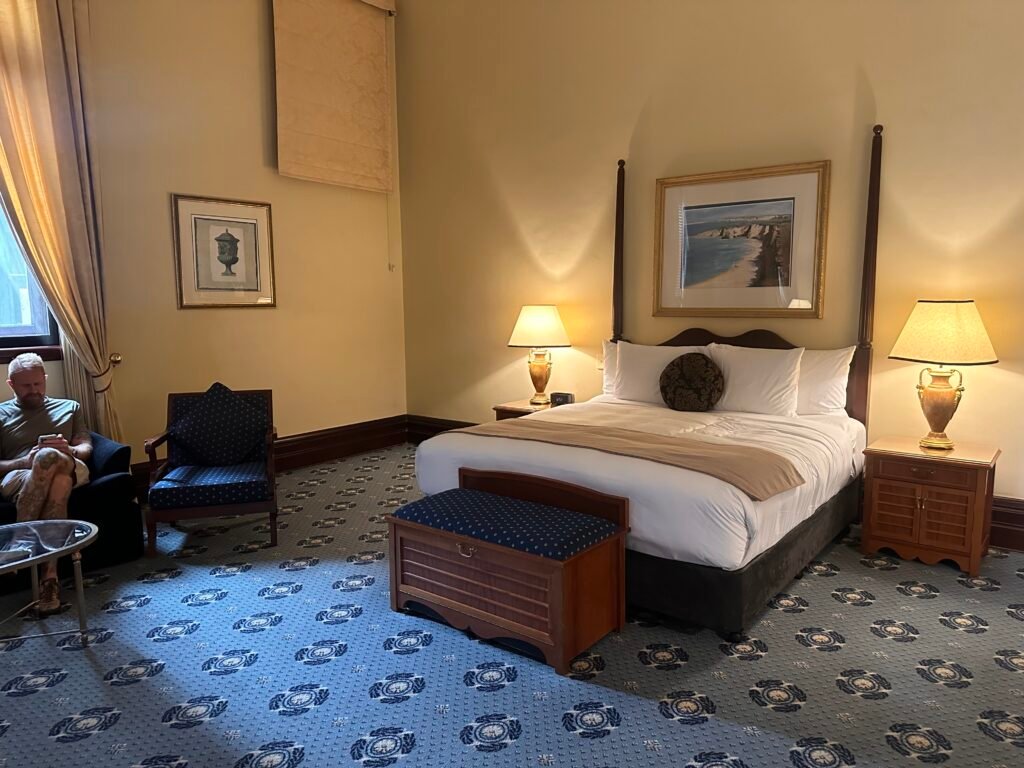
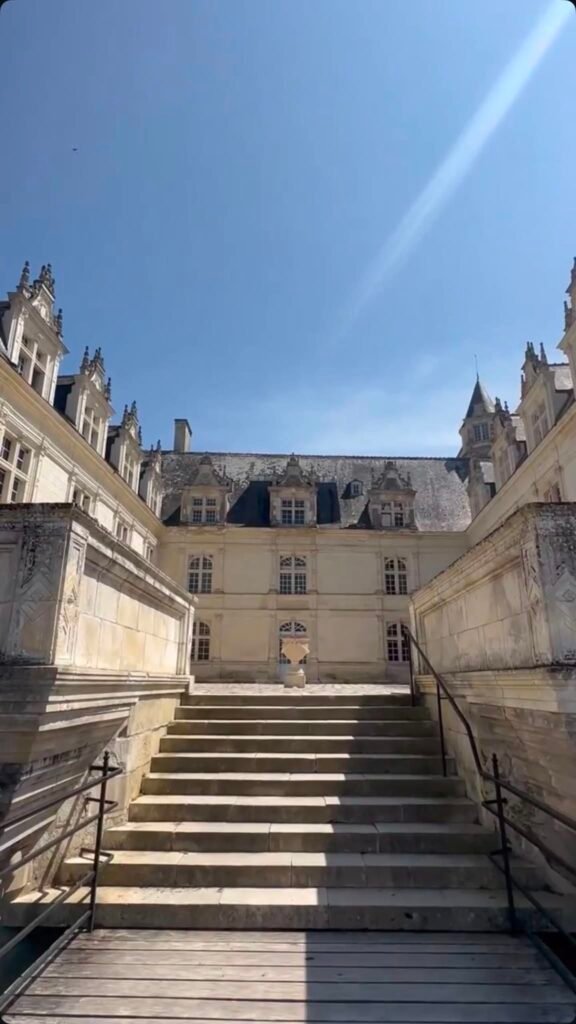
What Is Modern Classic Interior Design? 9 Ways to Master Timeless European Elegance
There is something effortlessly sophisticated about a Parisian apartment where an original marble fireplace sits beside a contemporary sofa, or a grand European townhouse where centuries-old architectural details frame beautifully understated modern furniture.
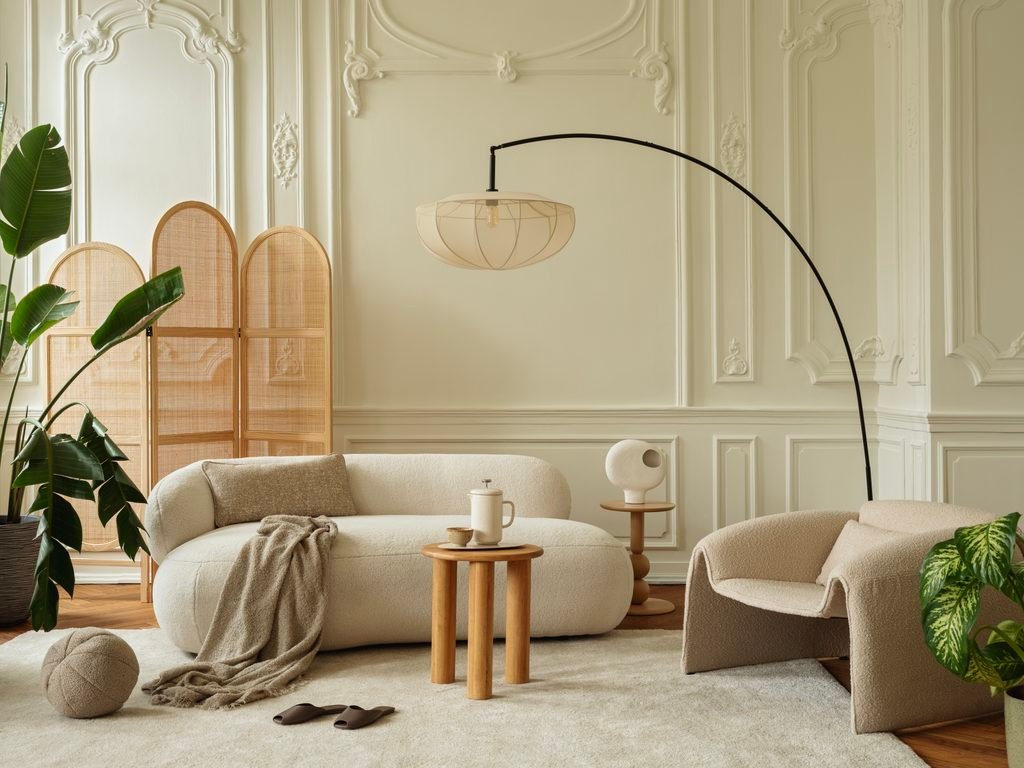
Neither entirely traditional nor distinctly contemporary, these interiors occupy a space between the two.
Welcome to Modern Classic interior design.
This enduring aesthetic combines the architectural elegance of classical European interiors with the clean lines, comfort and restraint of contemporary design. It celebrates craftsmanship and heritage without allowing a room to feel formal, dated or overly decorated.
The result is an interior that feels luxurious yet approachable, refined yet comfortable, and remarkably resistant to passing trends.
What Is Modern Classic Interior Design?
Modern Classic interior design brings together traditional architectural features and contemporary furnishings to create a balanced, timeless aesthetic.
Drawing inspiration from European townhouses, Haussmannian apartments and classical architecture, the style embraces decorative mouldings, symmetrical proportions, elegant materials and carefully considered details.
Unlike purely traditional interiors, however, Modern Classic spaces favour simpler furniture silhouettes, restrained colour palettes and a more relaxed approach to decoration.
The beauty lies in the contrast: old and new, ornate and understated, structured and soft.
You don’t need to live in a historic European apartment to achieve the look. Here are nine ways to bring Modern Classic elegance into your own home.
1. Introduce Decorative Wall Mouldings
Few architectural details capture the Modern Classic aesthetic quite as effectively as decorative wall mouldings.
Picture-frame panelling, elegant cornices and traditional skirting boards introduce depth and character to otherwise simple rooms. A picture rail adds a horizontal line above the panels and gives you a place to hang artwork.
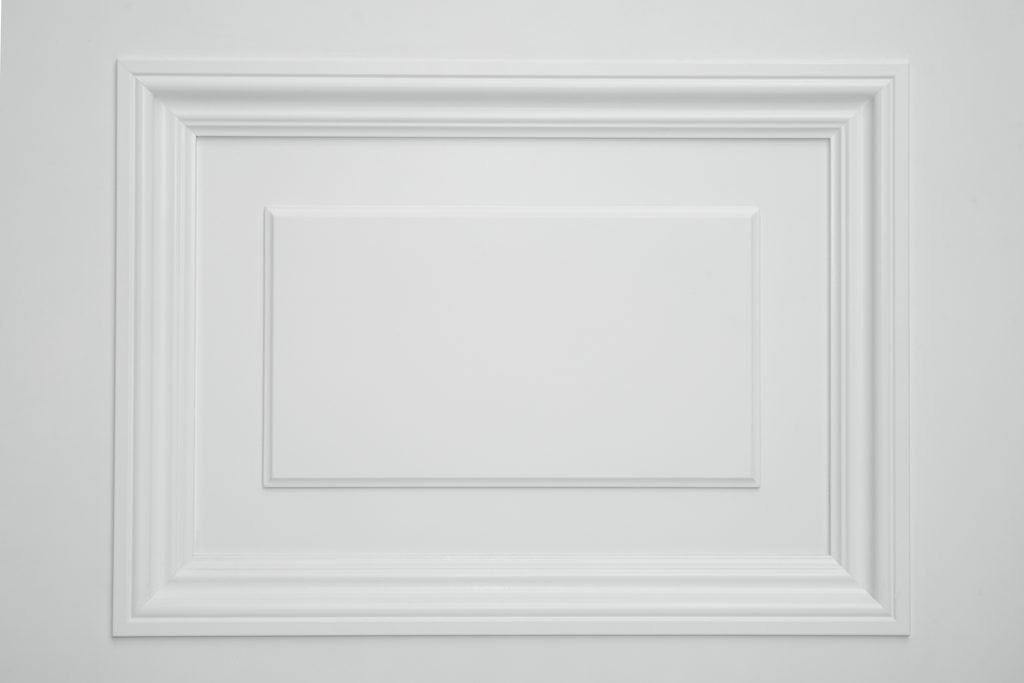
Unlike heavily ornamented classical interiors, Modern Classic spaces often paint their mouldings in the same colour as the surrounding walls. This creates subtle architectural interest without overwhelming the room.
Warm ivory, antique beige and soft mushroom tones work particularly well, allowing the detailing to become more pronounced as natural light moves across the walls.
Even a relatively ordinary contemporary room can be transformed through carefully proportioned decorative panelling.
2. Pair Classical Architecture With Contemporary Furniture
The relationship between traditional architecture and modern furniture is at the heart of Modern Classic design.
Imagine an understated contemporary sofa positioned beneath an ornate ceiling rose, or a minimalist dining table surrounded by walls featuring decorative plasterwork.
The contrast allows both elements to stand out.
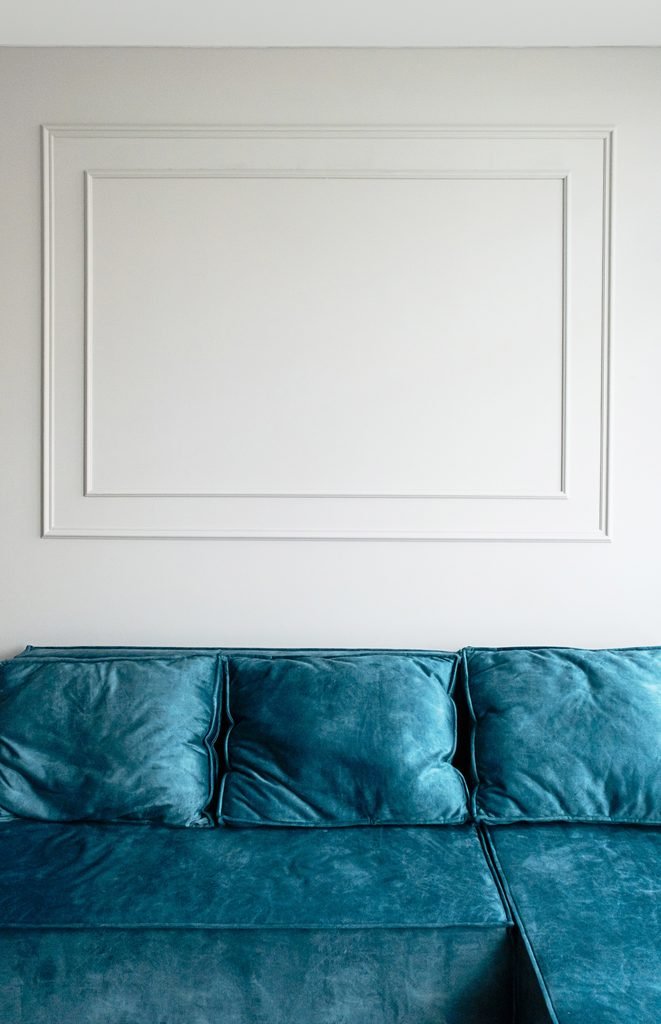
Rather than filling a traditionally styled room with period furniture, choose pieces with clean silhouettes, generous proportions and refined upholstery.
Curved sofas, contemporary armchairs and simple timber coffee tables work beautifully against classical architectural details. For more ideas on choosing those pieces, take a look at our guide to Italian Modern interiors.
The aim is to create a dialogue between different eras rather than recreate a particular historical period.
3. Create a Sophisticated Neutral Colour Palette
Modern Classic interiors typically favour a restrained colour palette that allows architectural details and natural materials to take centre stage.
Consider building your room around shades such as:
- Warm ivory
- Antique beige
- Soft taupe
- Mushroom
- Charcoal
- Cream
- Deep chocolate brown
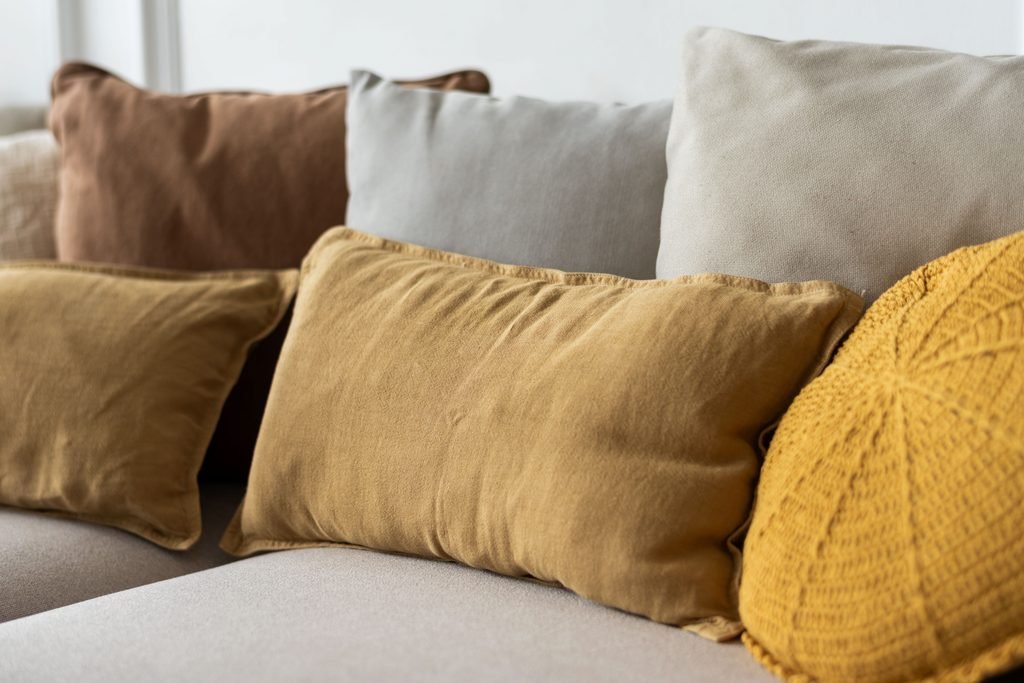
For a richer atmosphere, introduce accents of oxblood, olive green or muted navy through upholstery, artwork or accessories.
The most successful Modern Classic interiors use colour deliberately, creating depth through tonal variation rather than relying on excessive contrast.
A neutral foundation also allows antique furniture, contemporary artwork and statement lighting to coexist without competing for attention.
4. Make a Marble Fireplace the Focal Point
Marble fireplaces are a defining feature of many historic European apartments, particularly those found throughout Paris.
Their sculptural forms, natural veining and classical proportions make them an ideal focal point within a Modern Classic interior.
A traditional marble fireplace can be paired with contemporary seating, an oversized abstract artwork or a simple sculptural mirror.
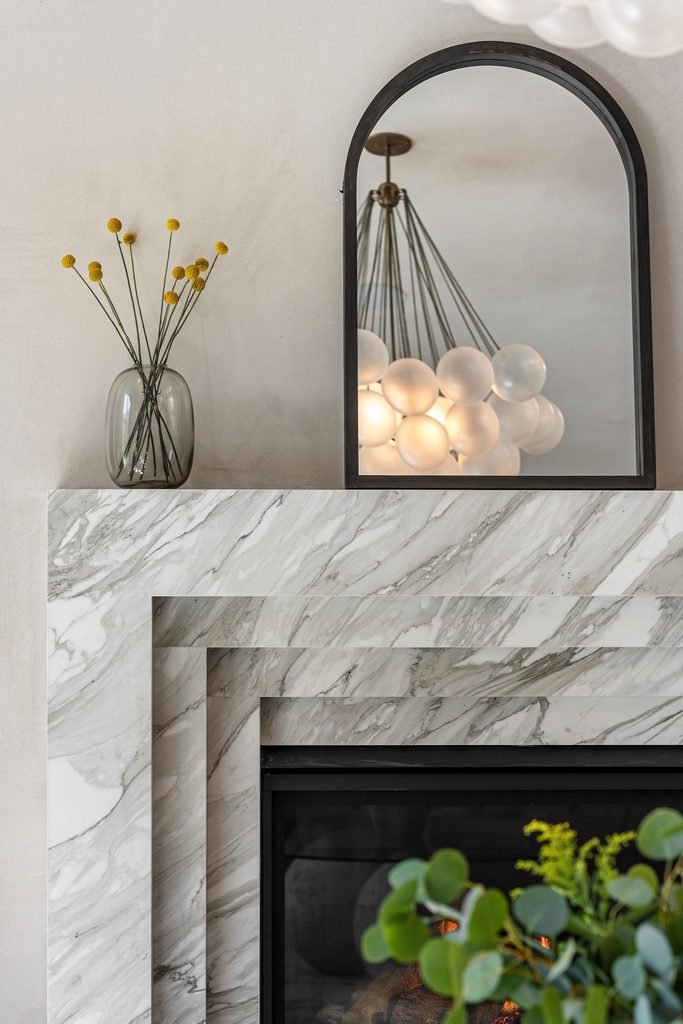
White marble creates a softer, more understated atmosphere, while darker varieties introduce drama and architectural presence.
If your home doesn’t have an original fireplace, a marble or natural stone fireplace surround can introduce a similar sense of permanence and sophistication.
The key is to allow the material and architectural form to speak for themselves.
5. Embrace Herringbone and Parquet Flooring
Beautiful timber flooring provides the foundation for many of Europe’s most elegant interiors.
Herringbone, chevron and traditional parquet patterns introduce visual rhythm while maintaining the warmth and natural character of timber.
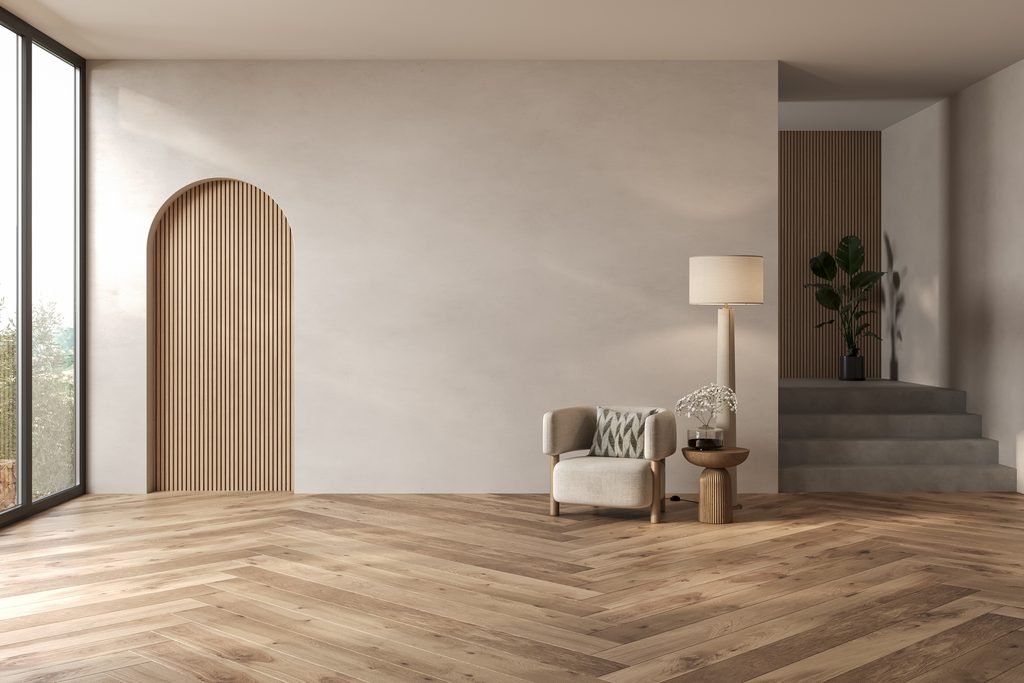
Medium-toned oak is particularly versatile, complementing both traditional architectural details and contemporary furniture.
Darker timber finishes create a more dramatic, intimate atmosphere, especially when paired with ivory walls and refined lighting.
Allow sections of the flooring to remain visible rather than covering the entire room with rugs.
The craftsmanship of a beautifully laid timber floor deserves to be appreciated as an architectural feature in its own right.
6. Combine Antique and Contemporary Pieces
Modern Classic interiors rarely feel as though everything was purchased at the same time.
Instead, they develop character through a considered combination of old and new.
An antique timber console might sit beneath a contemporary artwork. A traditional gilded mirror might overlook a minimalist dining table. A vintage armchair might be upholstered in a beautifully understated modern fabric.
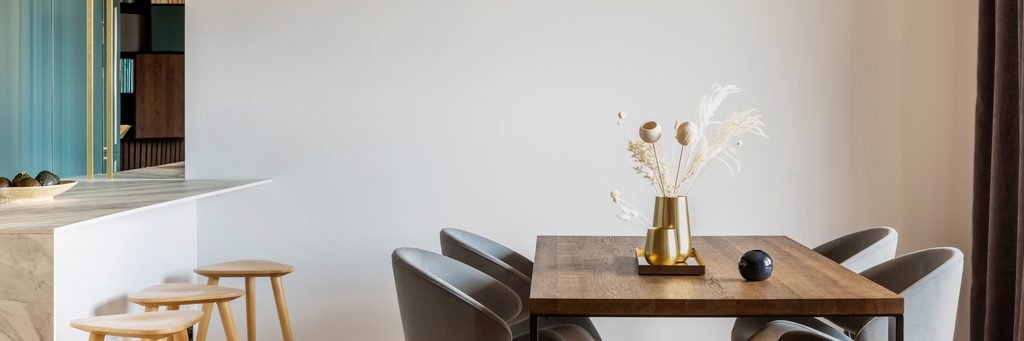
These unexpected combinations give a room individuality and prevent it from feeling like a furniture showroom.
Look for antique pieces with interesting proportions, beautiful materials or distinctive craftsmanship rather than elaborate decoration alone.
A single exceptional antique can bring more personality to a room than an entire collection of matching furniture.
7. Choose Sculptural and Elegant Lighting
Lighting offers another opportunity to balance classical elegance with contemporary design.
A modern pendant light suspended from an ornate ceiling rose creates an especially striking contrast.
Alternatively, a traditional chandelier can introduce a sense of grandeur to an otherwise contemporary dining room. For a more geometric take on statement lighting, borrow from the Art Deco details of Europe’s grand hotels.
Consider materials such as:
- Aged brass
- Bronze
- Opal glass
- Alabaster
- Crystal
- Polished chrome
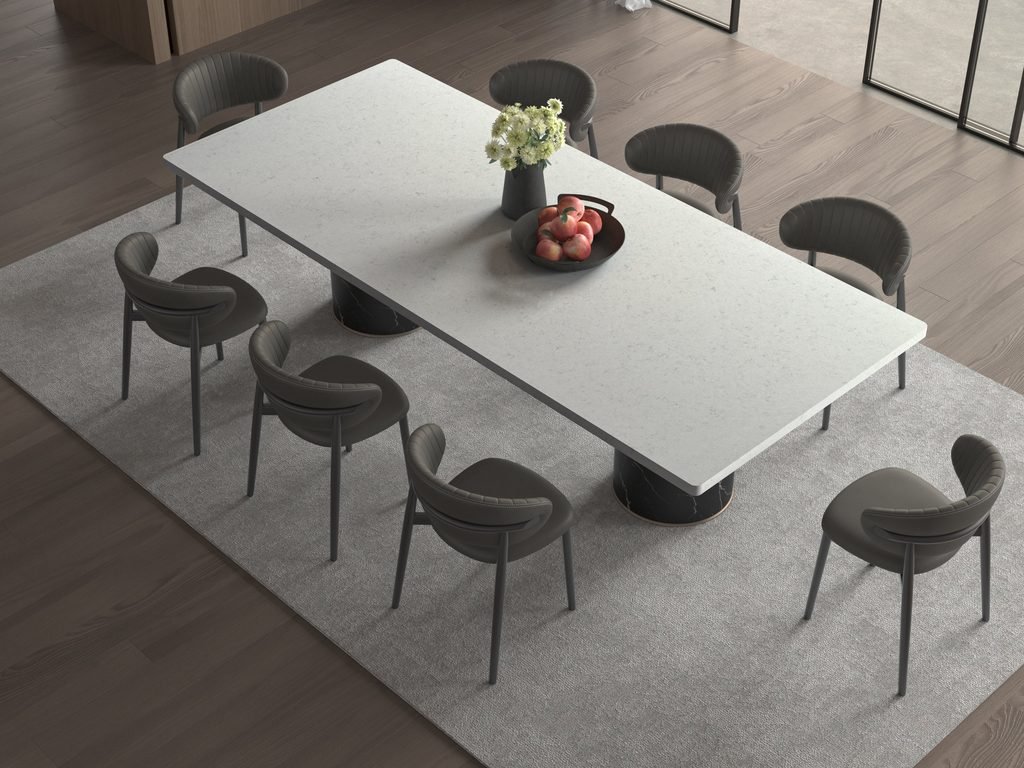
Layer statement ceiling fixtures with table lamps, floor lamps and understated wall sconces to create a more intimate atmosphere.
The goal is not simply to illuminate the room but to give it a sense of depth and warmth, particularly after dark.
8. Incorporate Oversized Mirrors and Statement Artwork
Decorative mirrors have long been associated with grand European interiors, reflecting natural light while adding architectural presence.
An oversized gilded mirror above a fireplace or leaning against a panelled wall can introduce a beautiful sense of history without requiring additional ornamentation.
Contemporary abstract artwork offers an equally compelling alternative.
Large-scale pieces with restrained colours or expressive textures provide a striking counterpoint to classical architectural details.
Rather than filling every available wall, choose a small number of substantial pieces that complement the proportions of the room.
This allows each artwork or mirror to become a meaningful part of the overall composition.
9. Invest in Understated Luxury Through Materials
Modern Classic design is ultimately less about decoration than it is about the quality and character of materials.
Natural stone, solid timber, linen, velvet, leather and aged metals introduce richness without the need for excessive embellishment.
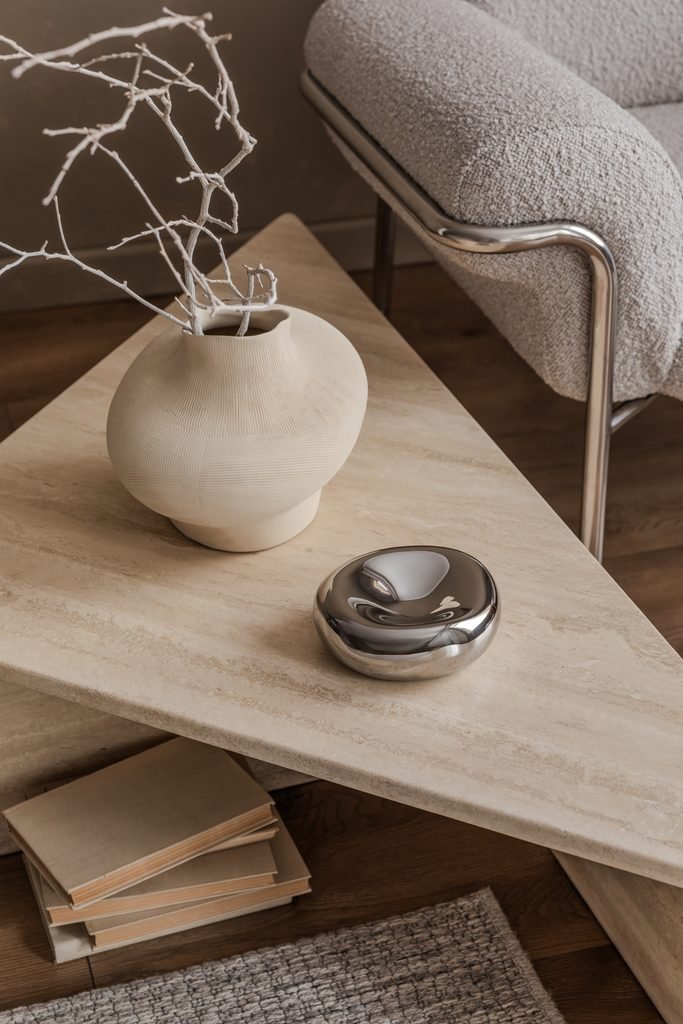
A walnut sideboard, beautifully upholstered armchair or travertine coffee table can elevate an otherwise understated room.
The most appealing combinations often involve contrasts in texture: soft velvet against marble, aged brass beside textured linen, or dark timber against smooth plaster.
These details create a quietly luxurious atmosphere that becomes more interesting the longer you spend in the space.
Rather than chasing trends, choose materials that will develop character and remain beautiful over time.
Modern Classic vs. Traditional Interior Design
Although Modern Classic interiors draw heavily from traditional design, the two approaches differ in their treatment of furniture, colour and decoration.
Traditional interiors often favour period-inspired furniture, patterned fabrics, decorative accessories and more elaborate ornamentation.
Modern Classic design retains the elegance of classical architecture but introduces simpler furniture, quieter colour palettes and greater visual restraint.
Where a traditional room might feature matching furniture and decorative collections, a Modern Classic interior is more likely to combine a contemporary sofa, antique mirror and minimalist lighting.
The emphasis is on balance rather than historical authenticity.
Modern Classic vs. Transitional Interior Design
Modern Classic also shares similarities with transitional interior design, which blends traditional and contemporary elements.
However, Modern Classic tends to place greater emphasis on European architectural heritage, classical proportions and distinctive materials such as marble, parquet flooring and decorative plasterwork.
Transitional interiors can feel softer and more casual, while Modern Classic spaces often retain a stronger sense of architectural sophistication.
The distinction is not absolute, and the two aesthetics frequently overlap.
How to Achieve Modern Classic Style Without Renovating
You don’t need original Haussmannian architecture, soaring ceilings or a grand townhouse to embrace Modern Classic interior design.
Start with a few carefully considered changes:
- Introduce decorative picture-frame wall mouldings.
- Choose a sophisticated, tonal colour palette.
- Add an oversized traditional mirror.
- Combine contemporary seating with antique furniture.
- Replace generic lighting with sculptural statement pieces.
- Introduce natural stone, timber and aged brass.
- Invest in quality curtains and tactile upholstery.
- Reduce decorative clutter to highlight individual pieces.
Even small changes can create a more refined relationship between traditional elegance and contemporary living.
The Enduring Appeal of Modern Classic Interiors
Perhaps the greatest strength of Modern Classic interior design is its ability to transcend trends.
It doesn’t depend on recreating a specific historical period, nor does it require constantly updating a room to reflect contemporary fashions.
Instead, it draws on architectural principles, beautiful materials and the considered combination of different eras.
A marble fireplace will always possess a certain elegance. Beautiful timber flooring will always introduce warmth. An exceptional antique will always have a story to tell.
By combining these enduring elements with the simplicity and comfort of contemporary design, Modern Classic interiors achieve something increasingly rare: spaces that feel both current and timeless.
And that is perhaps the most compelling form of luxury.
Britt & Tyler
We’re Britt and Tyler, the two Australians behind Cocktails & Cathedrals. We’re drawn to old buildings, beautiful rooms, bookshops and places that seem to hold a story. Our journal brings those interests together, with a fondness for slow afternoons and a well-made cocktail. We hope it helps you find places you’ll want to linger.
Travel slowly. Stay beautifully.
A little more about us →