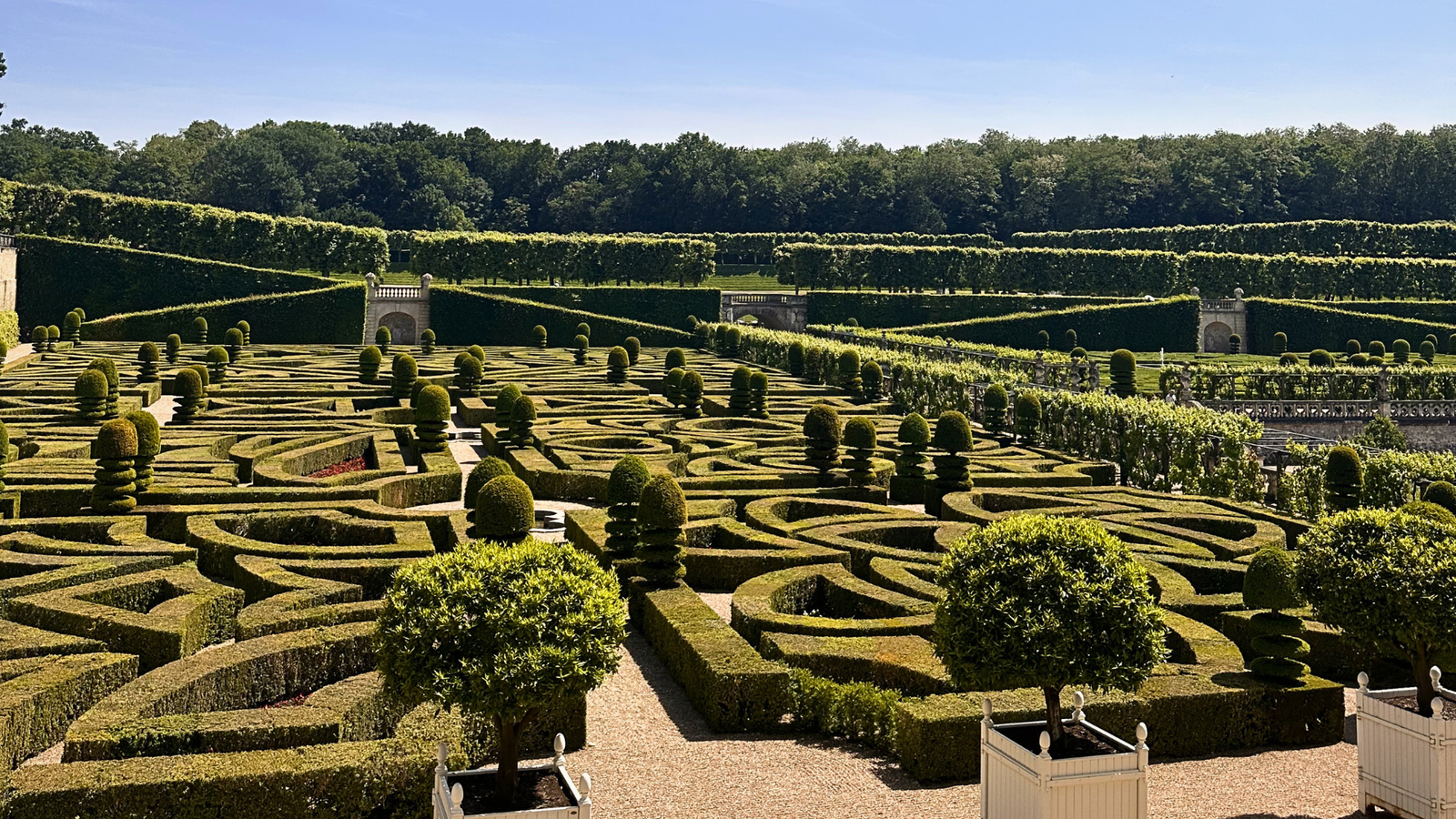
Why European Gardens Feel So Magical
Written by Tyler
Co-founder, Cocktails & Cathedrals
Traveller, photographer and believer that the most memorable places are often the quiet ones between the landmarks.
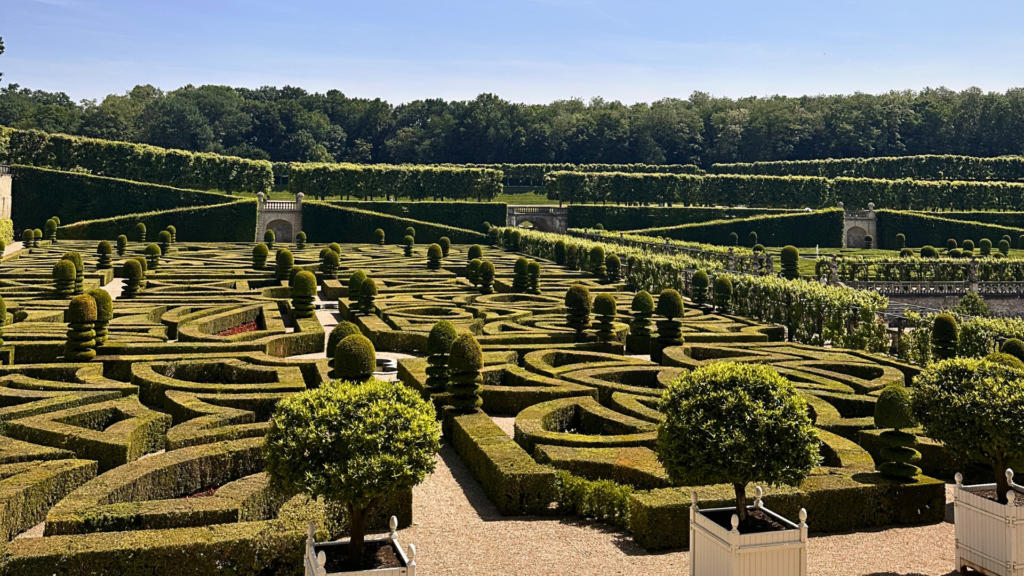
13 Timeless Garden Ideas You Can Bring Home
Part 1: Falling in Love With European Gardens
Some gardens are beautiful. Others quietly change the way you feel.
Looking back through thousands of photos from our travels, something surprised us.
The pictures we return to most often aren’t always the famous landmarks.
They’re the quiet corners.
A gravel path disappearing beneath old lime trees.
A weathered stone bench beneath climbing roses.
An ivy-covered wall catching the last light of the afternoon.
A tiny courtyard overflowing with lavender where nobody else seemed to notice the perfume hanging in the air.
Perhaps that’s the real magic of European gardens.
They rarely ask for your attention.
Instead, they gently invite you to slow down.
Long after we’ve forgotten the names of certain castles or villages, we can still remember how those gardens felt. The sound of fountains echoing through enclosed courtyards. Bees drifting lazily between lavender bushes. Church bells ringing somewhere beyond ancient stone walls.
It’s a feeling that’s surprisingly difficult to recreate with photographs alone.
Yet somehow, the memory always remains.
They’re Designed To Be Experienced, Not Admired
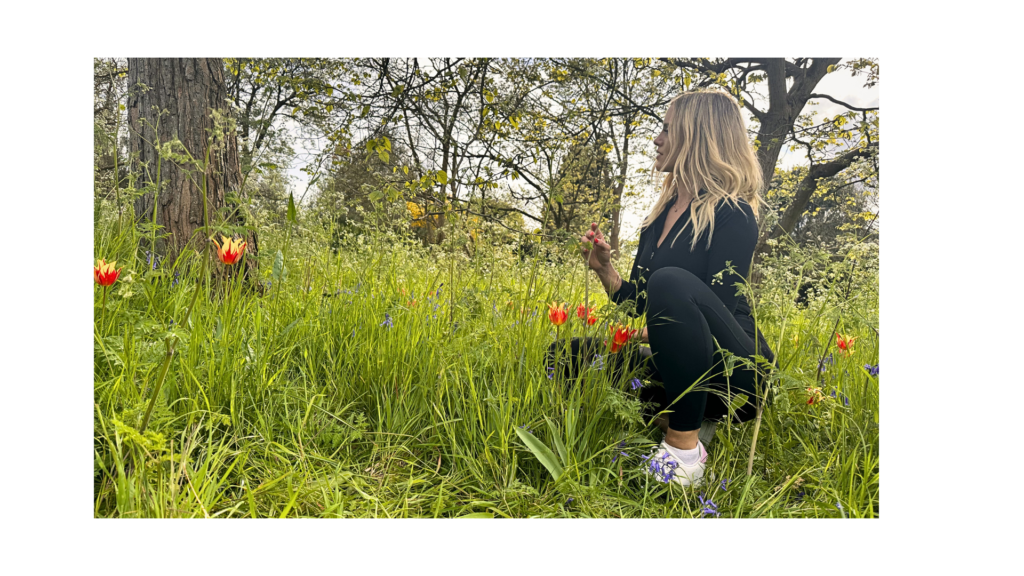
One thing became obvious as we wandered through gardens across France, Italy and England.
Nobody seemed to be rushing.
People weren’t simply stopping to take photographs before moving on.
They were sitting.
Reading.
Talking quietly.
Enjoying a picnic beneath enormous trees.
Watching children chase pigeons across gravel paths.
European gardens seem to understand something we’ve forgotten.
Beauty isn’t only something you look at.
It’s something you live inside.
That’s why so many of these spaces feel timeless.
They’re designed around people rather than perfection.
Even the grand formal gardens surrounding magnificent châteaux somehow include little benches tucked beneath hedges, hidden pathways leading towards statues, or quiet corners where you can simply sit and listen to the birds.
Perhaps the gardens are inviting us to participate rather than simply observe.
They Never Feel Finished
One of our favourite things about old European gardens is that they don’t seem to chase perfection.
The roses climb where they choose.
Lavender spills over old stone edging.
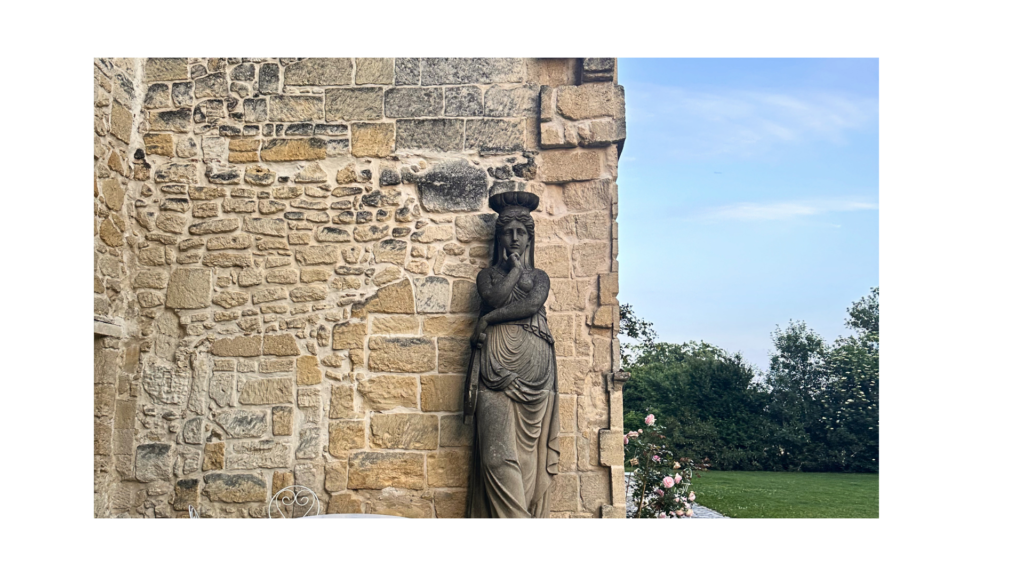
Moss quietly claims forgotten statues.
Gravel paths soften beneath fallen leaves.
Everything feels gently alive.
Unlike modern landscaping, which sometimes feels frozen on the day it was completed, these gardens seem to evolve with every season.
Spring brings blossom.
Summer fills borders with colour.
Autumn scatters golden leaves across ancient pathways.
Winter reveals the beautiful bones of clipped hedges and old trees.
Perhaps that’s why they feel so authentic.
They aren’t trying to resist time.
They’re allowing it to become part of their beauty.
Every Path Promises A Small Adventure
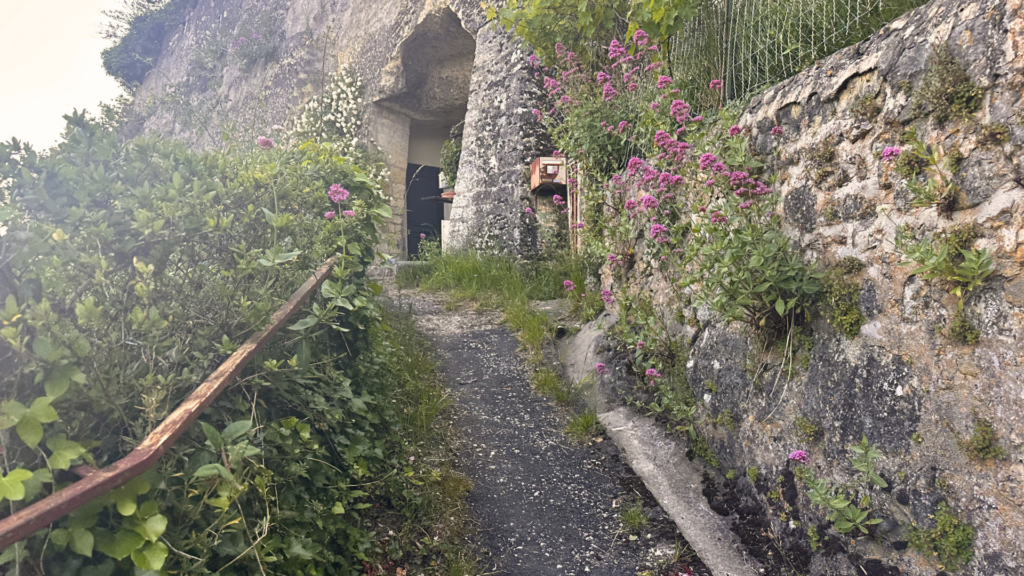
We’ve realised something while looking back through our travel photographs.
Whenever a garden path disappeared around a corner…
…we almost always followed it.
Not because we expected to find something spectacular.
But because European gardens seem to understand one simple secret.
Curiosity is beautiful.
A winding gravel path.
A vine-covered archway.
A hidden gate.
A glimpse of a fountain beyond neatly clipped hedges.
Each one quietly whispers:
“Come and see what’s just around the corner.”
The journey becomes just as memorable as the destination.
Perhaps that’s one of the easiest lessons to bring home.
Not every path needs to lead somewhere important.
Sometimes it simply needs to encourage us to keep wandering.
What Makes European Gardens Feel So Different?
There isn’t one secret.
It’s dozens of small details working together.
A winding path instead of a straight one.
Stone that’s softened with age.
The gentle sound of water somewhere nearby.
Fragrance drifting through warm afternoon air.
Perhaps that’s why European gardens rarely feel as though they’ve been designed all at once.
Instead, they feel as though they’ve quietly evolved over centuries.
Every generation has simply added another layer.
Gravel Paths That Slow Your Pace
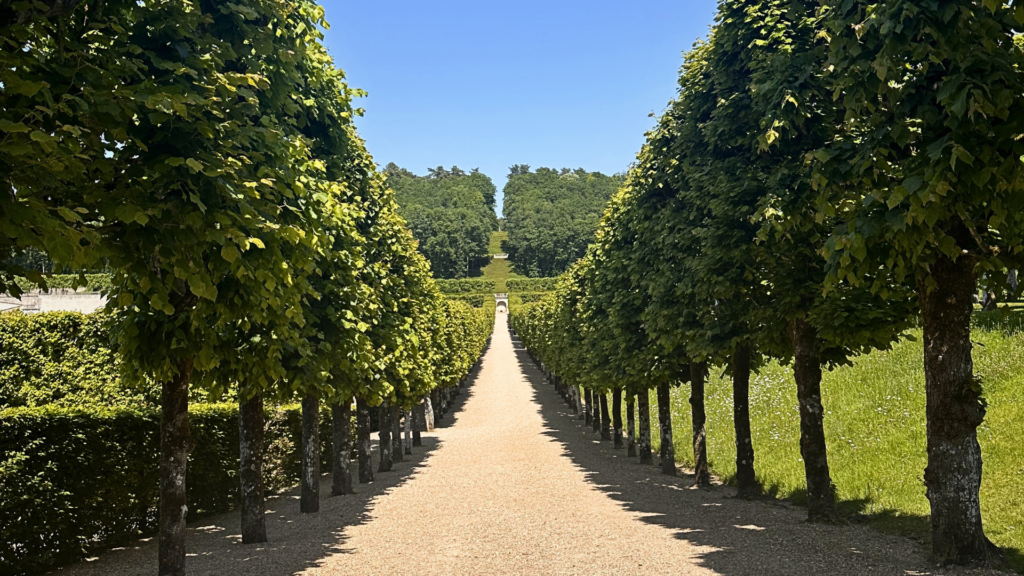
One of the first things you’ll notice in many European gardens isn’t what you see.
It’s what you hear.
The gentle crunch of gravel beneath your feet.
For some reason, gravel changes the way we walk.
We slow down.
We notice more.
Perhaps because every step reminds us we’re moving through the garden rather than simply crossing it.
Whether it’s a grand château in France, a Tuscan villa or a tiny English cottage garden, gravel paths seem to encourage wandering instead of rushing.
Bring It Home
You don’t need acres of land to borrow this idea. Even a small gravel path leading to a bench, vegetable garden or front gate can completely change how a space feels. It instantly adds texture, softness and a sense of quiet discovery.
Stone That Grows More Beautiful With Age
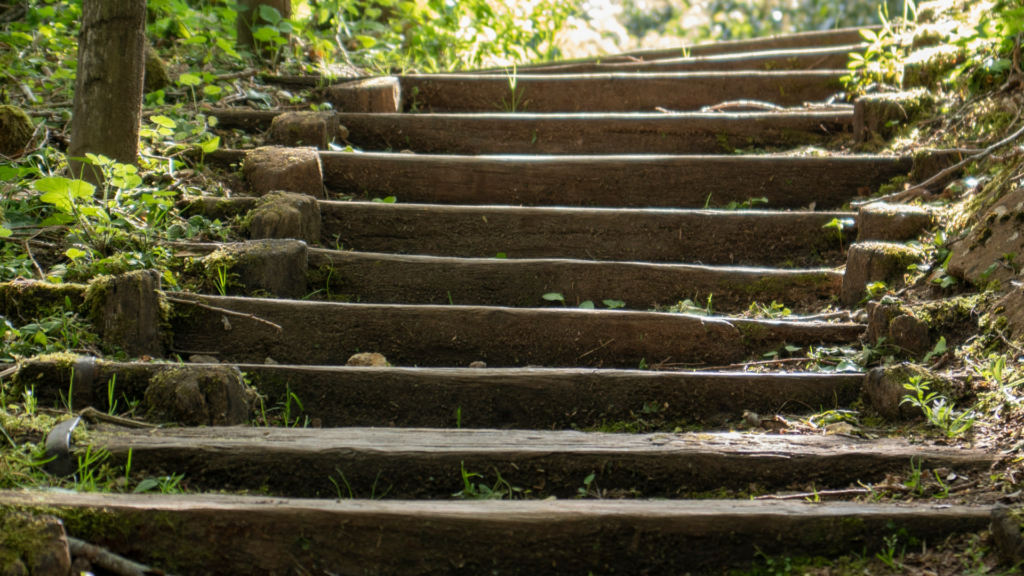
Modern landscaping often celebrates things that look brand new.
European gardens seem to celebrate the opposite.
Old limestone walls.
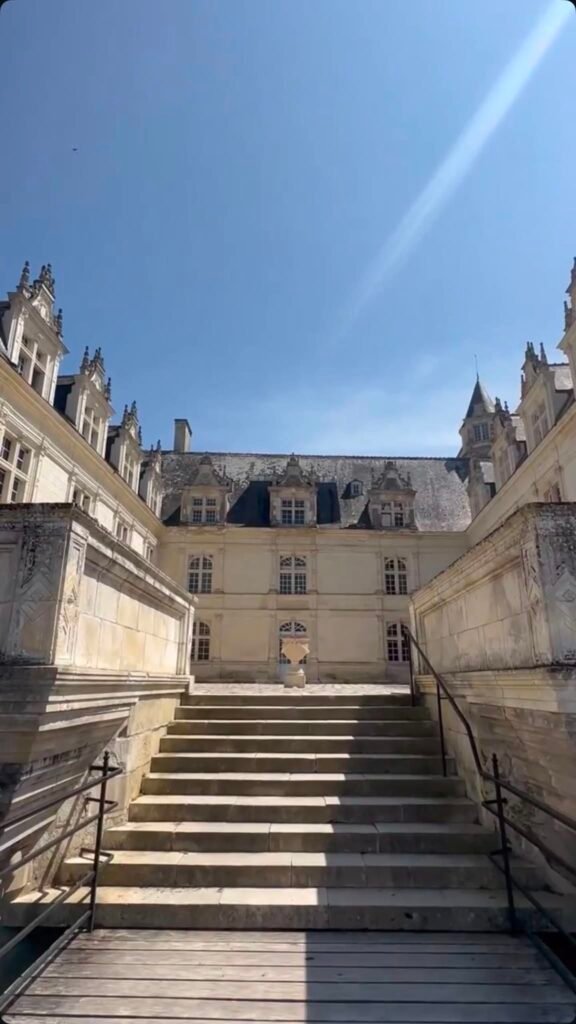
Weathered steps.
Stone urns covered in patches of moss.
Ancient fountains worn smooth by centuries of flowing water.
Nothing feels polished.
And somehow, that’s exactly why it feels beautiful.
Rather than fighting age, these materials seem to welcome it.
Each season simply adds another chapter to their story.
Bring It Home
Choose natural materials whenever possible. Stone, terracotta and timber often become more beautiful over time, giving your garden character that manufactured materials struggle to recreate.
Roses Aren’t Meant To Behave
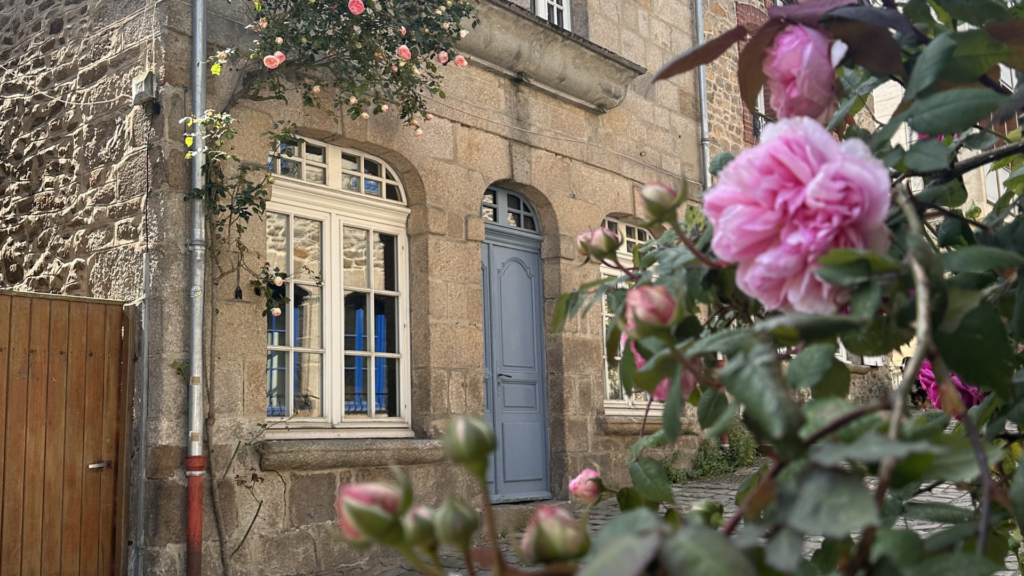
We’ve lost count of how many times we’ve stopped simply to admire climbing roses spilling across old stone walls somewhere in France.
They’re rarely trimmed into perfect shapes.
Instead, they seem wonderfully free.
Leaning across gates.
Framing windows.
Softening centuries-old buildings.
They blur the line between architecture and nature.
Perhaps that’s part of their charm.
Nothing feels rigid.
Everything feels gently alive.
Bring It Home
A single climbing rose trained over an archway, fence or pergola can transform an ordinary garden into something that feels unexpectedly romantic. Sometimes one beautiful plant creates more atmosphere than dozens of perfectly arranged flower beds.
Water Changes Everything
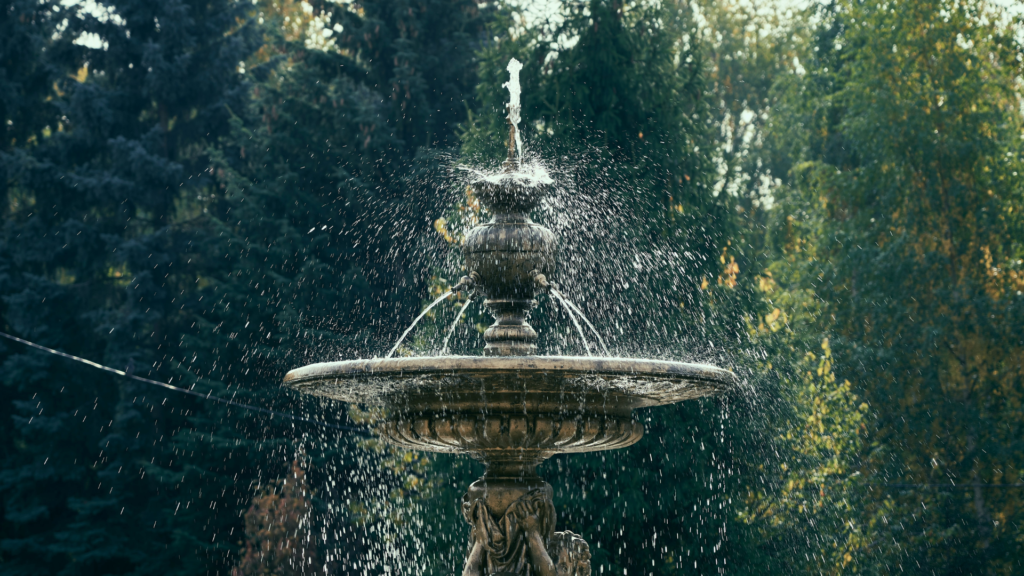
Close your eyes in many European gardens and you’ll probably hear water before you notice anything else.
A tiny fountain.
A bubbling stone basin.
A narrow rill winding quietly through a courtyard.
The sound isn’t loud.
It doesn’t need to be.
It simply becomes part of the atmosphere.
We’ve often found ourselves sitting far longer than planned beside small fountains while travelling.
Not because there was anything spectacular to see.
But because the gentle movement of water somehow made the whole garden feel calmer.
Bring It Home
You don’t need an elaborate fountain. Even a small water bowl, bird bath or simple recirculating feature can introduce movement and sound that completely changes the mood of an outdoor space.
Every Garden Invites You To Stay
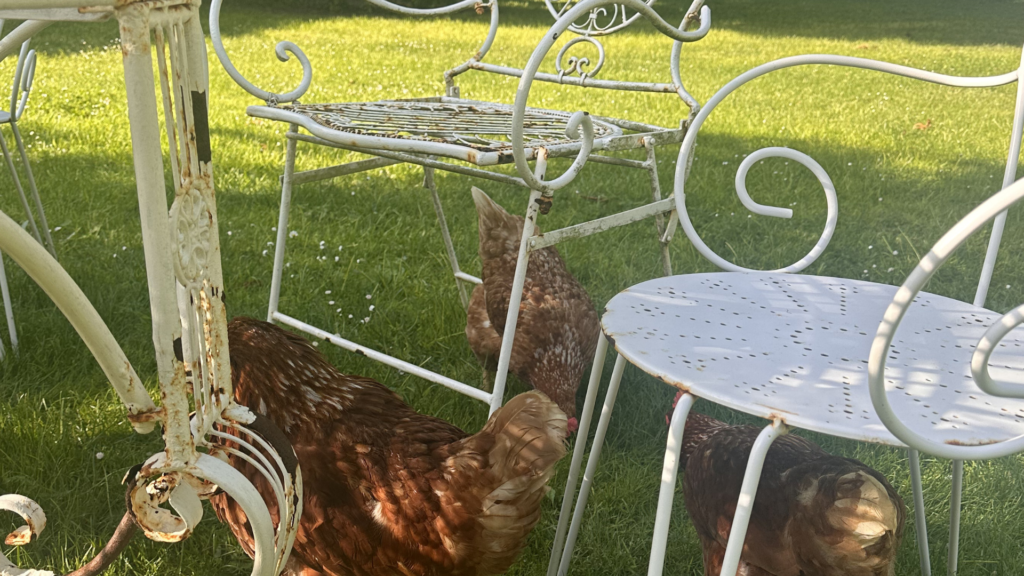
Perhaps our favourite lesson from Europe has nothing to do with flowers at all.
It’s seating.
Almost every memorable garden seems to include somewhere to pause.
A weathered timber bench beneath a tree.
Two old chairs catching the afternoon sun.
A tiny table tucked into a quiet corner.
These aren’t simply places to rest.
They’re invitations.
The garden quietly says:
“Stay a little longer.”
Maybe that’s the biggest difference between many European gardens and the ones we’re used to.
They aren’t only designed to look beautiful from the house.
They’re designed to be lived in.
Bring It Home
Instead of placing outdoor furniture wherever there’s room, think about where you’d genuinely enjoy your morning coffee or an evening glass of wine. Sometimes moving a chair just a few metres completely changes how often you’ll use it.
The Gardens We Remember Most

Looking back through our photographs, we’ve realised something.
The gardens we remember most were rarely the grandest.
They weren’t always the perfectly symmetrical palace gardens that appear on postcards.
Instead, they were often the smaller places.
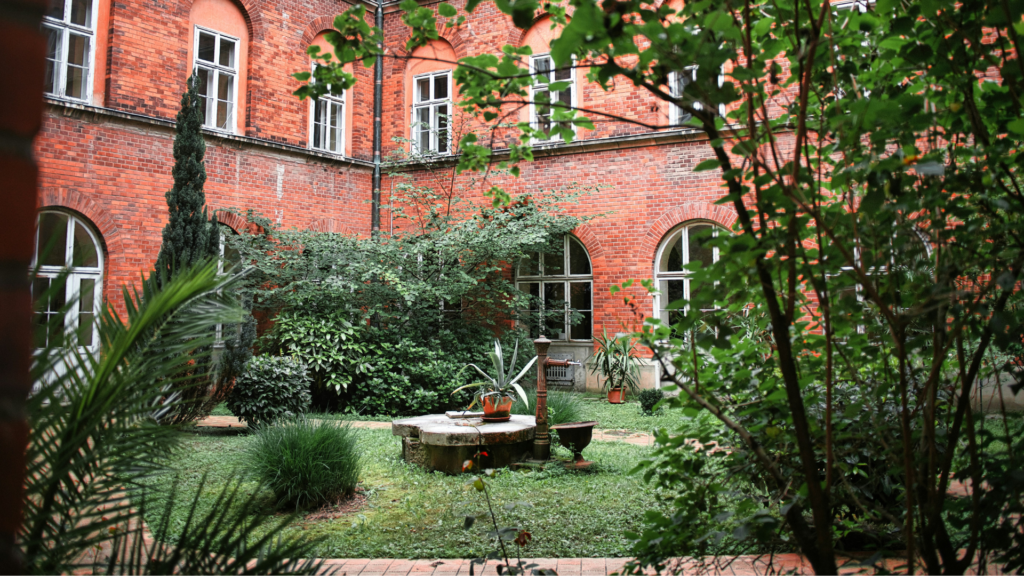
A tiny courtyard overflowing with roses somewhere in France.
An olive tree casting afternoon shade across a quiet Italian terrace.
A hidden monastery garden where the only sound was water gently spilling into an old stone basin.
Those places asked nothing from us.
They simply offered somewhere to pause.
Perhaps that’s why they stayed with us.
Maybe The Real Luxury Is Slowing Down
When we think about European gardens, we often picture clipped hedges, statues and magnificent fountains.
But perhaps that’s only part of the story.
The real luxury isn’t the landscaping.
It’s the pace.
Nobody seems in a hurry.
Books are read slowly beneath old trees.
Coffee somehow lasts an hour.
Lunch stretches comfortably into the afternoon.
Children chase butterflies while grandparents quietly watch from a nearby bench.
The garden isn’t simply something to admire through a window.
It’s another room of the home.
Only without a ceiling.
Perhaps that’s the feeling we’ve been trying to describe all along.
Not beauty.
Belonging.
Bringing A Little Europe Home
One of the nicest things about travelling is discovering that the most memorable ideas don’t have to stay overseas.
You don’t need an ancient château.
Or acres of formal gardens.
Or centuries-old stone walls.
Sometimes all it takes is one beautiful tree.
A gravel path.
A climbing rose.
A weathered bench.
A small fountain.
Somewhere that quietly encourages you to sit for a little longer than you planned.
European gardens don’t feel magical because they’re expensive.
They feel magical because they’ve been designed around people rather than perfection.
That’s an idea every garden can borrow.
Final Thoughts
Travelling through Europe has taught us many things.
That history isn’t always found inside museums.
That beauty often hides down the street nobody else walked.
And that the places we remember most are rarely the ones we rushed through.
Perhaps that’s why European gardens stay with us long after we’ve returned home.
They gently remind us that life doesn’t always need to be hurried.
Sometimes the most memorable afternoons are spent doing almost nothing at all.
Reading beneath a tree.
Listening to birds.
Watching sunlight drift slowly across old stone.
Sharing a glass of wine with someone you love while the evening quietly arrives.
Those moments don’t belong only to Europe.
They’re available anywhere.
Sometimes all we need is a small garden…
…and the willingness to slow down long enough to enjoy it.
About the Author
Tyler is the co-founder of Cocktails & Cathedrals, where he and Britt share the stories, architecture and quiet beauty they discover while travelling through Europe. A traveller and photographer at heart, he’s drawn less to famous landmarks than to the hidden courtyards, old gardens and forgotten corners that make a place unforgettable. Through Cocktails & Cathedrals, they hope to inspire readers to travel more slowly—and to bring a little of Europe’s timeless charm home.
Britt & Tyler
We’re Britt and Tyler, the two Australians behind Cocktails & Cathedrals. We’re drawn to old buildings, beautiful rooms, bookshops and places that seem to hold a story. Our journal brings those interests together, with a fondness for slow afternoons and a well-made cocktail. We hope it helps you find places you’ll want to linger.
Travel slowly. Stay beautifully.
A little more about us →