The Rooms Europe Never Forgot
9 Beautiful Spaces That Still Teach Us How to Live Well
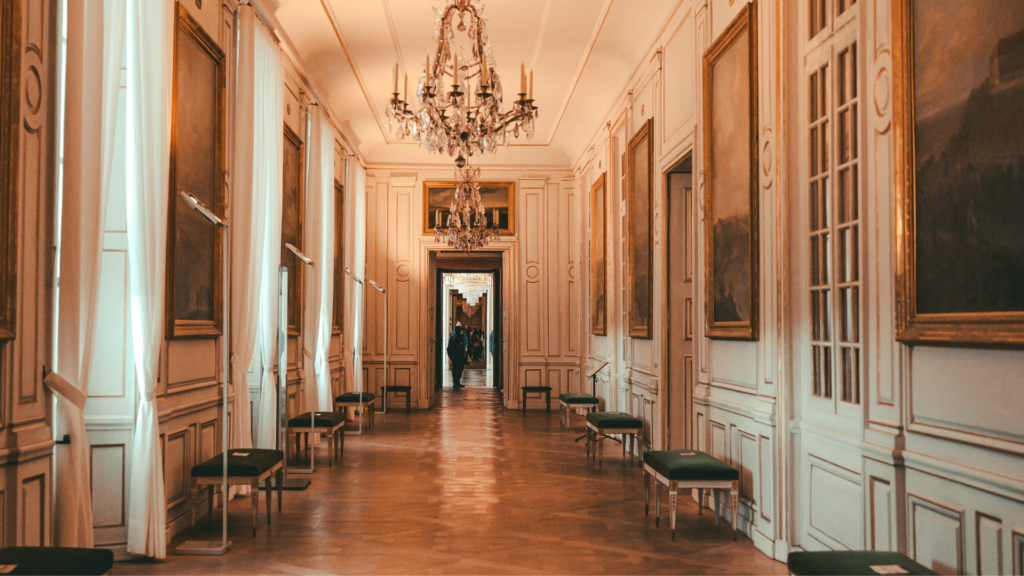
Walk through enough old European homes and you begin to notice something curious.
There are rooms that quietly disappeared somewhere along the way.
Breakfast rooms bathed in soft morning sunshine. Conservatories filled with citrus trees. Pantries lined with glass jars and homemade preserves. Drawing rooms where evenings unfolded through conversation rather than television.
At first they seem like charming relics from another era. Beautiful to admire, but no longer practical.
Yet the longer I spend wandering through old homes, country estates and centuries-old apartments across Europe, the more I wonder if we’ve lost something along with those rooms.
Perhaps they weren’t simply spaces.
Perhaps they were reminders that different moments of the day deserved different rhythms.
Modern homes have become wonderfully open and practical. Kitchens flow into living rooms, dining areas merge with family spaces, and one room often serves half a dozen purposes.
There’s certainly beauty in that.
But old European homes suggest another way of living.
One where each room quietly encouraged a different ritual.
And perhaps that’s why they still feel so wonderfully human.
1. The Breakfast Room
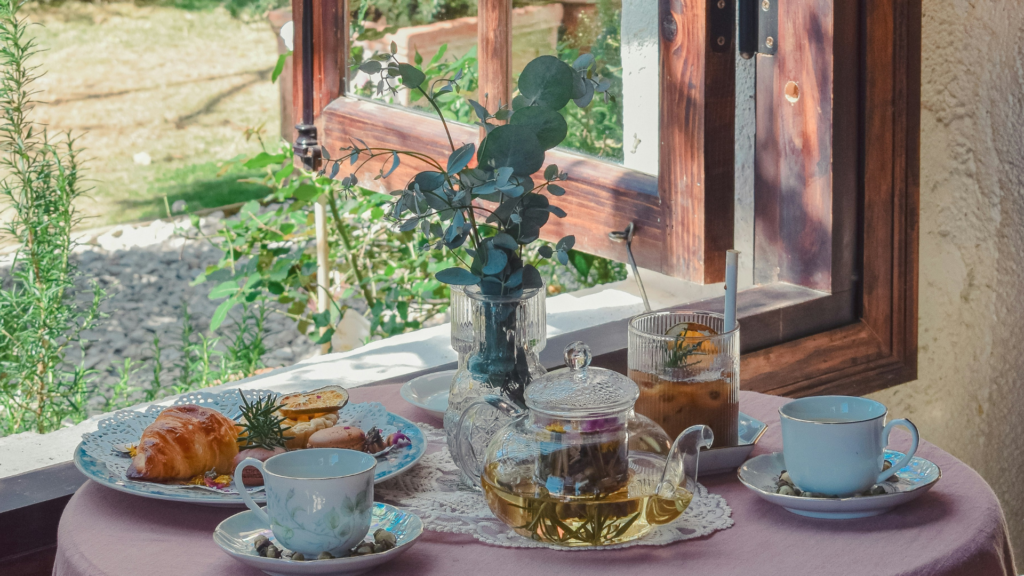
Long before open-plan kitchens became the norm, many European homes had a room dedicated to the simplest meal of the day.
Often facing east, breakfast rooms welcomed the first light of morning.
A pot of coffee.
Fresh bread from the bakery.
The newspaper spread across the table.
Nothing hurried.
It wasn’t about luxury.
It was about beginning the day gently.
Perhaps mornings have always deserved their own little sanctuary.
2. The Conservatory
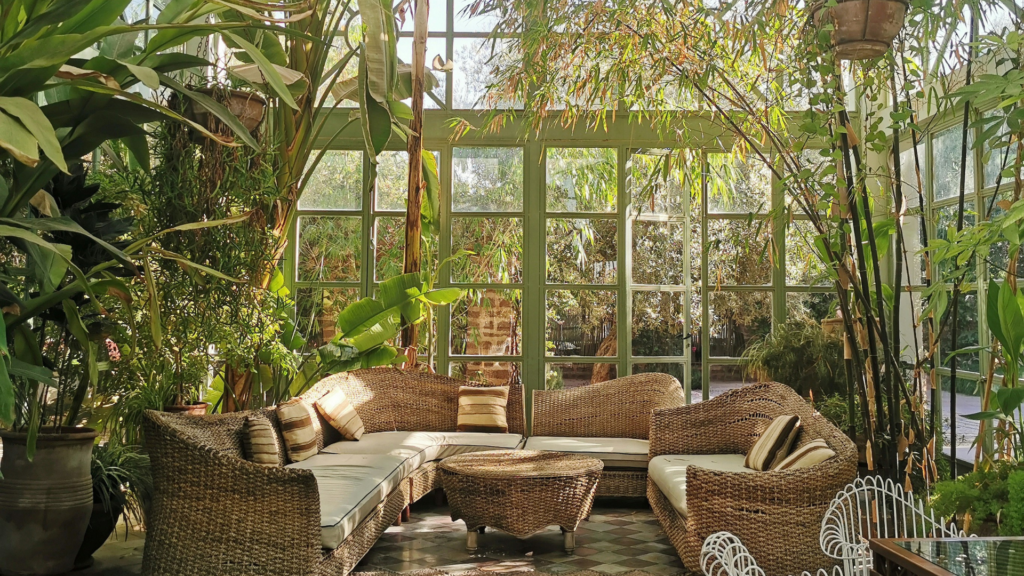
Few rooms capture optimism quite like a conservatory.
Walls of glass.
Plants reaching toward the sunlight.
A comfortable chair waiting beside a small table.
It’s neither indoors nor outdoors.
Instead, it sits quietly between the two.
Even on winter mornings, these rooms seem to collect every available ray of sunshine, creating somewhere to read, sip tea or simply watch the garden change with the seasons.
No wonder they continue to feel timeless.
3. The Pantry
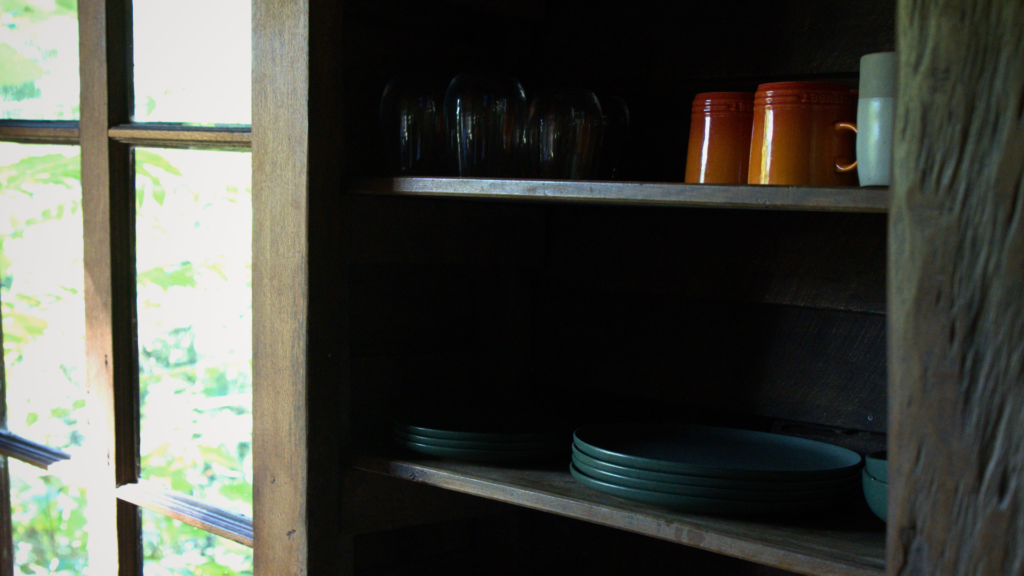
The pantry rarely appears on dream-home wish lists.
Yet old European pantries possess a quiet kind of beauty.
Shelves lined with ceramic bowls.
Glass jars filled with pasta, flour and herbs.
Fresh bread cooling on timber shelves.
Homemade preserves waiting patiently for winter.
Nothing is hidden.
Nothing feels wasteful.
The pantry reminds us that everyday routines can be beautiful too.
4. The Garden Room
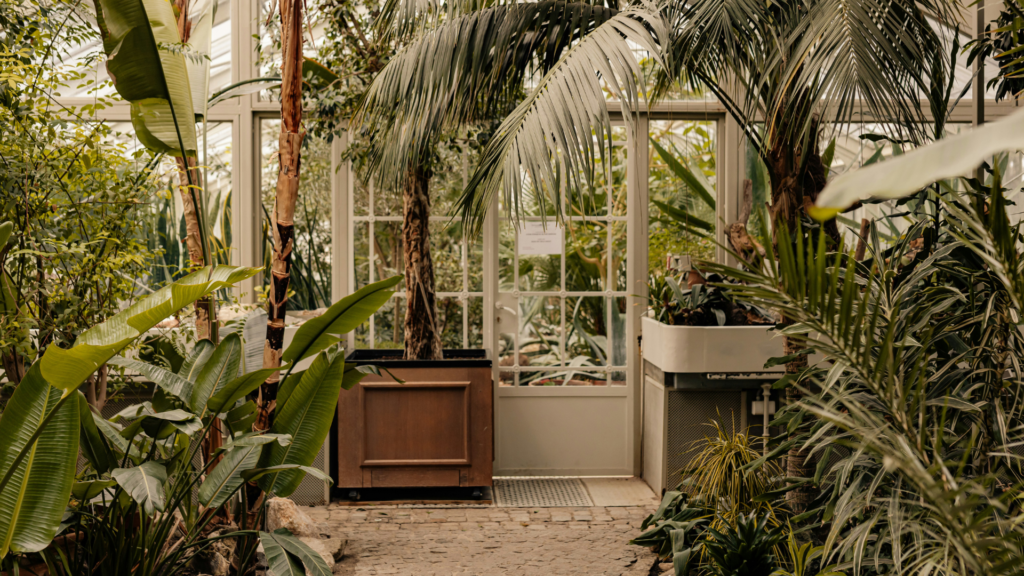
Somewhere between the kitchen and the outdoors sat the garden room.
A place where muddy boots were kicked off.
Fresh flowers were arranged.
Vegetables from the garden rested before dinner.
Garden tools leaned against old stone walls.
It acted as a gentle transition between nature and home.
Rather than shutting the outside world away, these rooms welcomed it inside.
5. The Library
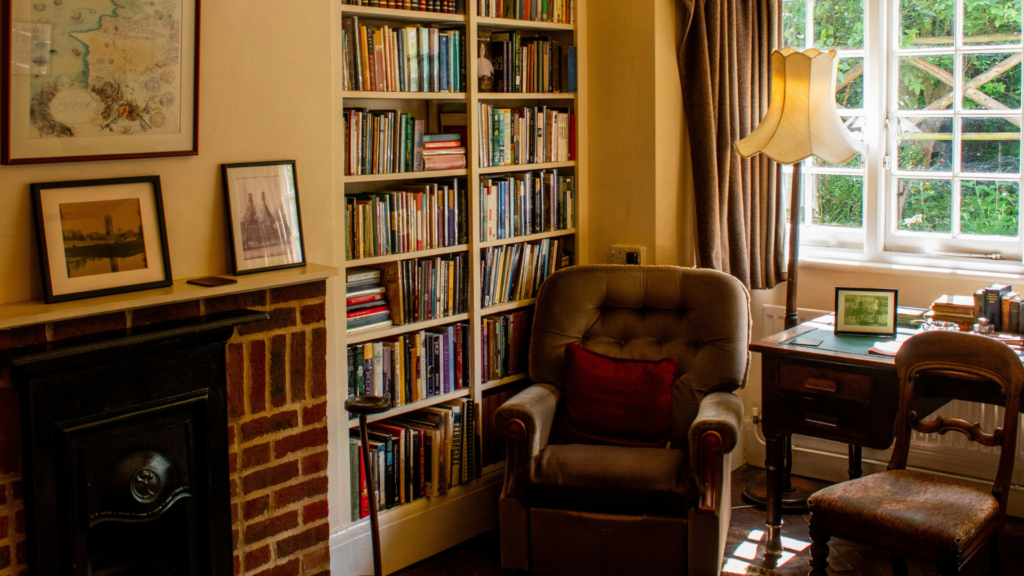
Not every European home had towering bookshelves stretching to the ceiling.
Many simply had one quiet room filled with books, comfortable chairs and good light.
A place designed not for entertainment, but for thought.
To read while rain tapped softly against old windows.
To write letters.
To lose an afternoon.
Perhaps every home benefits from having one corner where time seems to slow.
6. The Music Room
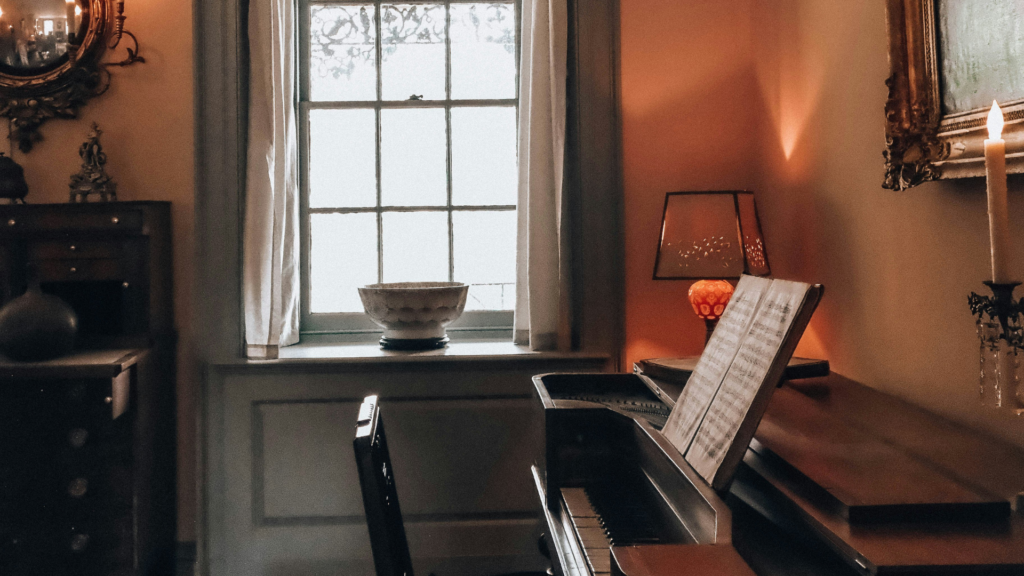
Imagine finishing dinner and moving into another room simply to listen to music.
Or better yet, to make it.
Many old homes included pianos, violins or gramophones long before televisions occupied the centre of family life.
Music became part of the evening.
Not background noise.
An experience shared together.
It’s a lovely reminder that entertainment once invited participation instead of passive watching.
7. The Orangery
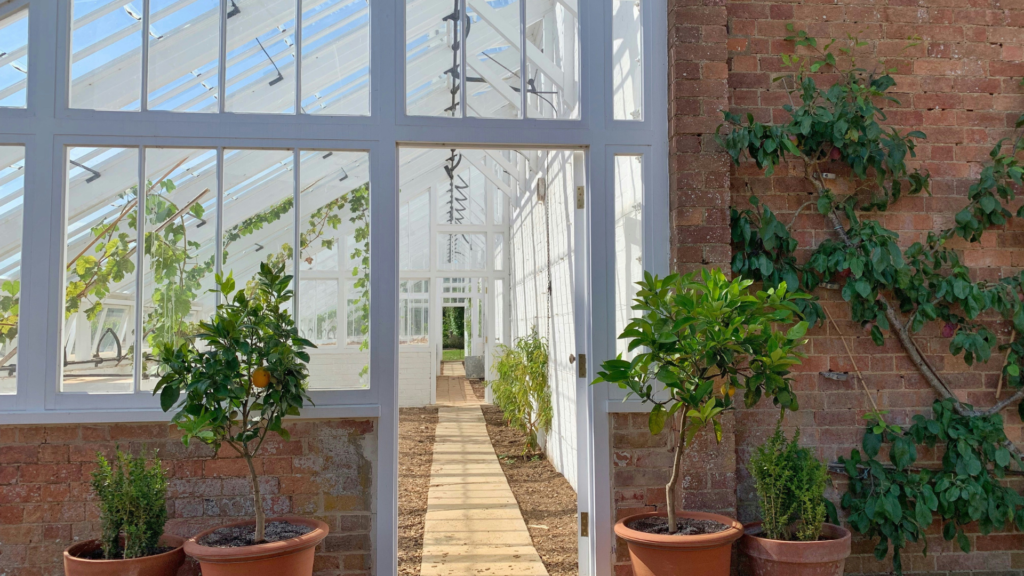
If there is one room that perfectly captures old European elegance, it may be the orangery.
Originally built to shelter citrus trees through colder months, these light-filled spaces gradually became some of the most beautiful rooms in a home.
Terracotta pots.
Lemon trees.
Olive branches.
Stone floors warmed by the afternoon sun.
Even today, they feel impossibly peaceful.
Not because they’re extravagant.
Because they’re filled with light, greenery and stillness.
8. The Writing Room
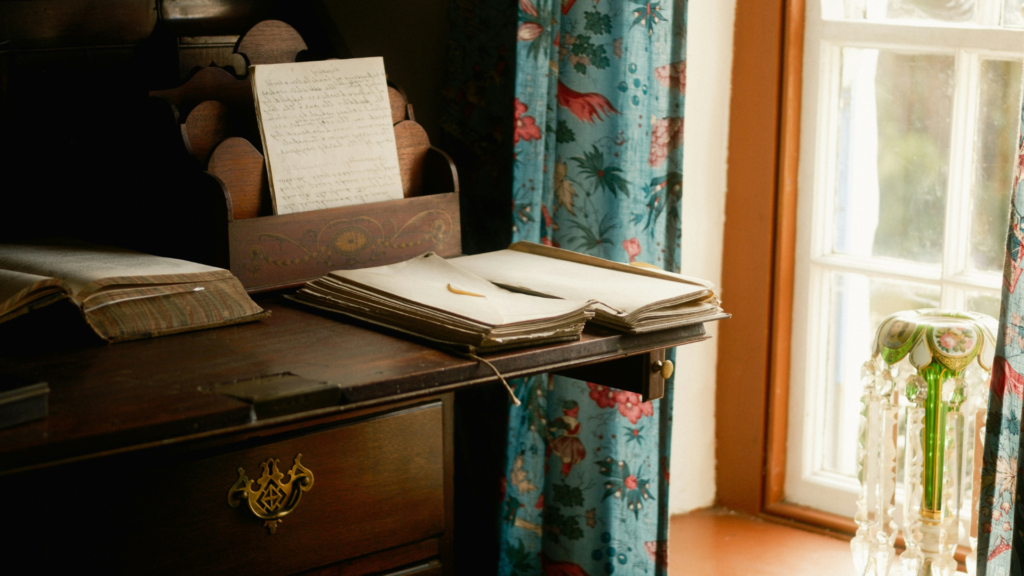
Before laptops travelled from room to room, writing often had its own place.
A small desk.
An ink bottle.
Letters waiting to be answered.
Shelves filled with journals and favourite books.
The room wasn’t designed for endless productivity.
It was designed for clear thinking.
Perhaps that’s a distinction worth remembering.
There is something deeply satisfying about giving creativity its own quiet corner.
9. The Drawing Room
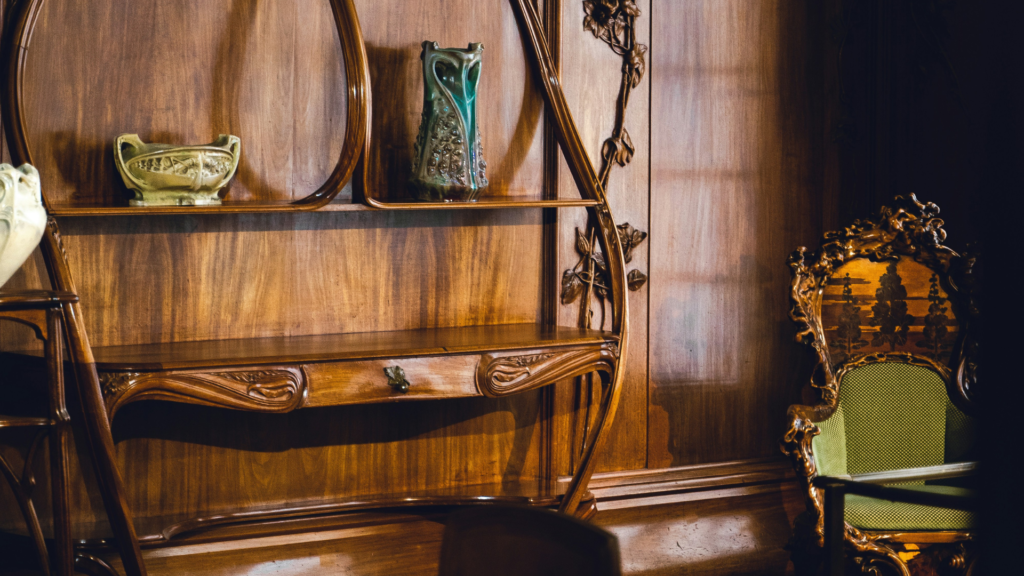
The drawing room was never really about furniture.
It was about people.
After dinner, family and friends gathered here to continue the evening.
Coffee replaced wine.
Stories replaced business.
Children played nearby while conversations drifted long into the night.
There was no rush toward bedtime.
No glowing screens demanding attention.
Just the simple pleasure of lingering together.
Perhaps that’s why these rooms still feel so inviting today.
They remind us that conversation has always been one of life’s greatest luxuries.
What These Forgotten Rooms Still Teach Us
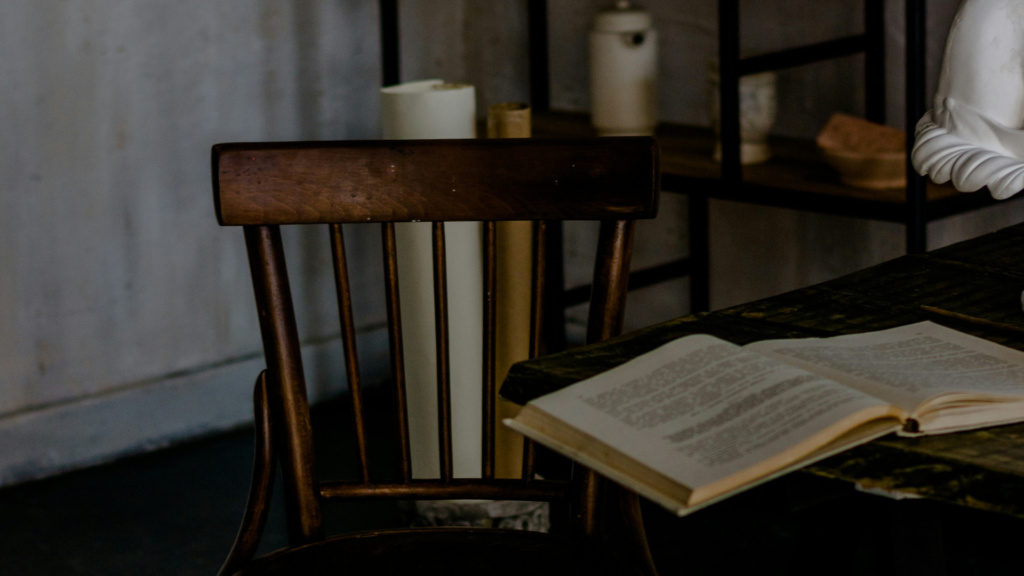
Looking back, I don’t think these rooms survived because they were fashionable.
They survived because they served a purpose beyond decoration.
They encouraged reading.
Conversation.
Gardening.
Cooking.
Writing.
Music.
They quietly shaped the rhythm of everyday life.
Of course, few of us are about to add an orangery or a dedicated breakfast room to our homes.
But perhaps we don’t need to.
Maybe the real lesson isn’t about recreating the rooms themselves.
It’s about reclaiming the rituals they once encouraged.
A comfortable chair by a sunny window can become your reading room.
A corner of the kitchen can become a pantry worth opening.
A small table beside the garden can become your breakfast room each Sunday morning.
An old record player can transform an ordinary evening into something memorable.
Beautiful homes have never been defined by the number of rooms they contain.
They’re defined by the life unfolding within them.
Perhaps that’s why Europe continues to inspire us.
Not because it preserved old buildings.
But because, tucked inside those buildings, it quietly preserved a slower, gentler way of living.
Before You Go…
If this glimpse into Europe’s forgotten spaces resonated with you, you might also enjoy:
- Why Beautiful Homes Aren’t Really About Money
- The Lost Art of the European Evening
- Why European Kitchens Feel So Warm
- Old-World Courtyards That Never Go Out of Style
Sometimes the most beautiful ideas aren’t new at all. They’re simply waiting behind an old wooden door, in a room the modern world quietly forgot.
Britt & Tyler
We’re Britt and Tyler, the two Australians behind Cocktails & Cathedrals. We’re drawn to old buildings, beautiful rooms, bookshops and places that seem to hold a story. Our journal brings those interests together, with a fondness for slow afternoons and a well-made cocktail. We hope it helps you find places you’ll want to linger.
Travel slowly. Stay beautifully.
A little more about us →