9 Old-World Hallway Ideas Inspired by European Townhouses
From elegant Parisian entrances to the character-filled hallways of Georgian London, discover nine ways to bring timeless European charm, warmth and personality into your home.
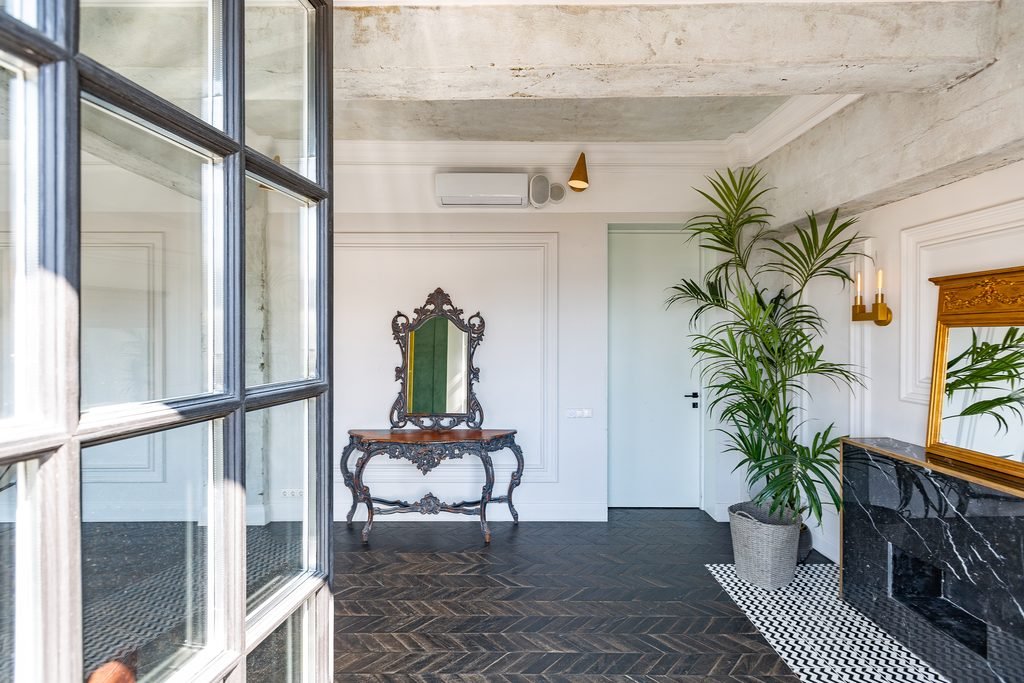
There is something rather lovely about stepping through the front door of an old European townhouse.
Perhaps it is a Parisian apartment building, where patterned floor tiles lead towards a sweeping staircase and an ornate mirror reflects the afternoon light. Or a Georgian townhouse in London, with its beautifully proportioned entrance hall, painted panelling and polished timber floors. In Amsterdam, narrow historic houses often reveal surprisingly characterful entrances, filled with old furniture, artwork and architectural details that have accumulated over generations.
These spaces seem to understand something that modern homes occasionally forget.
A hallway is more than somewhere to leave your shoes.
It is the first impression of a home. A little introduction to the rooms beyond. And, when thoughtfully decorated, it can become one of the most atmospheric spaces in the house.
The good news is that creating an old-world hallway does not require a grand staircase, soaring ceilings or an expensive renovation.
A narrow entrance, a modest corridor or even a small corner beside the front door can capture the same sense of European charm.
The secret lies in choosing pieces that feel collected rather than coordinated, embracing beautiful materials and giving a little attention to the details that make older interiors so inviting.
Here are nine ideas inspired by the timeless hallways of European townhouses.
1. Begin with a Slim Antique Console Table
There is something wonderfully practical about a hallway table.
It offers somewhere to place your keys, a small vase of flowers or the occasional letter that has yet to find a proper home. But in an old-world interior, it also provides an opportunity to introduce a little character.
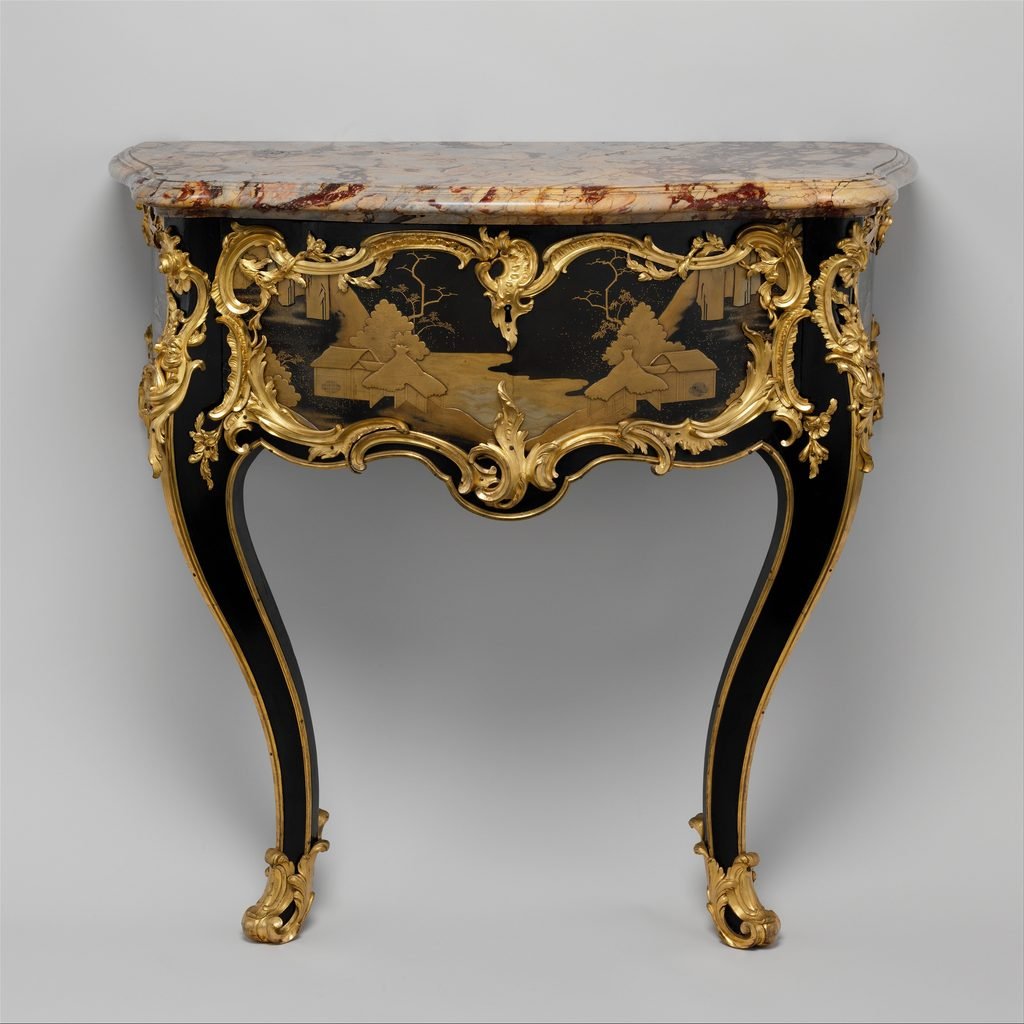
Rather than choosing a perfectly polished modern console, consider a narrow antique table with turned legs, a gently worn timber surface or the sort of imperfect finish that suggests a long and interesting history.
French country tables, Victorian hall stands and small Georgian-style consoles can all work beautifully.
In a narrow hallway, depth matters more than width. A slim table can provide a decorative focal point without making the entrance difficult to navigate.
Keep the styling fairly restrained.
A ceramic bowl, a small stack of books and an interesting lamp may be all that is needed.
The aim is to make the table feel as though it has always belonged there, rather than something purchased purely to fill an empty wall.
Old-world detail: Look for antique or second-hand pieces with beautiful proportions rather than worrying about matching timber finishes.
2. Hang an Oversized Vintage Mirror
Few objects can transform a modest hallway quite like a beautiful mirror.
In historic European apartments, mirrors have long been used to reflect light, create an impression of space and bring a little elegance to otherwise practical rooms.
An oversized mirror can perform exactly the same trick in a contemporary home.
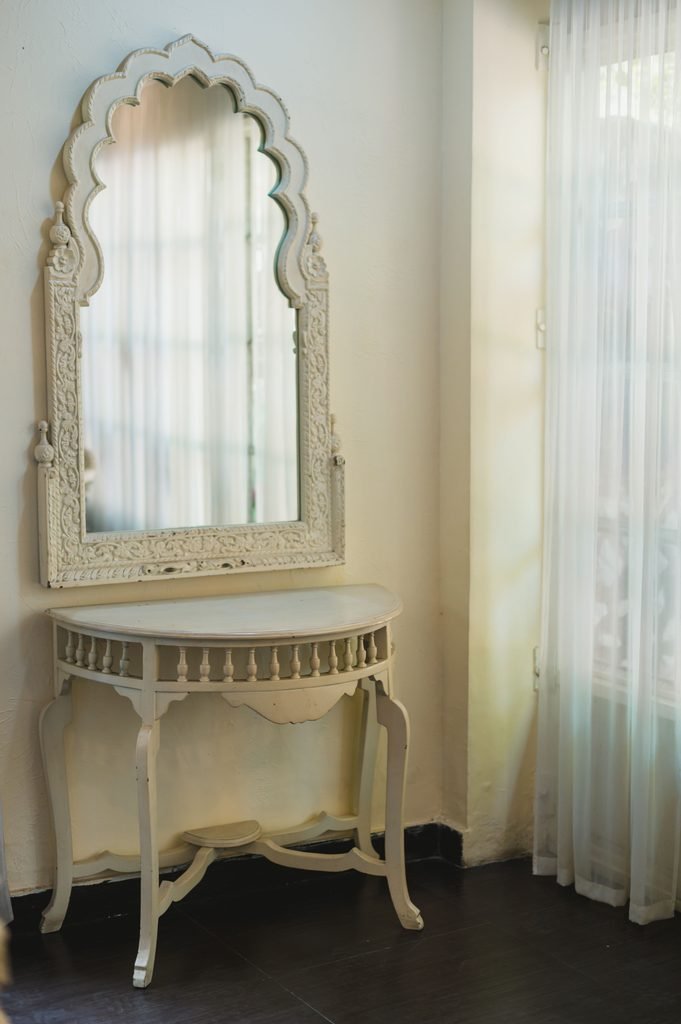
Consider a softly aged gilt frame, a dark timber Victorian mirror or an ornate French-style design with decorative detailing.
The contrast between an elaborate frame and a simple wall is often especially effective.
In a narrow hallway, placing a mirror opposite a doorway or a source of natural light can make the space feel more open. Above a console table, it creates a natural focal point without requiring a collection of smaller decorations.
And there is no need to worry if the frame has a few marks or signs of age.
Those imperfections can be part of its appeal.
A slightly tarnished mirror, an old carved frame or gently distressed gilding often carries far more atmosphere than something completely new.
For more inspiration, explore our ideas for decorating with antique mirrors and vintage European interiors.
3. Introduce Checkerboard Tiles or Beautifully Worn Timber Floors
The floor is often one of the most memorable features of an old European entrance.
Across historic townhouses and apartments, you will find everything from patterned encaustic tiles to worn timber floorboards and elegant stone floors.
One particularly timeless option is the checkerboard floor.

Black and white tiles create a striking entrance, especially when paired with simple painted walls and traditional furniture. For a softer interpretation, consider cream and charcoal, warm limestone tones or gently aged stone.
But a beautiful hallway does not necessarily need new flooring.
Existing timber boards can be equally appealing, particularly when their natural grain and character are allowed to show.
Rather than trying to make every surface look pristine, embrace the warmth of timber that feels lived in.
If replacing the floor is beyond the budget, a well-chosen vintage runner can introduce pattern and texture without any permanent changes.
The important thing is to give the floor a little attention.
In a narrow hallway, it often occupies more of the visual space than we realise.
Old-world detail: Small-format tiles, natural materials and gently muted colours tend to feel more timeless than highly polished contemporary finishes.
4. Create Warm Pools of Light with Wall Sconces and Lamps
Lighting has an enormous influence on how a hallway feels.
A single bright ceiling light may be practical, but it rarely creates the welcoming atmosphere of an old townhouse.
Historic European interiors often have a softer quality of light, with wall sconces, shaded lamps and decorative fittings bringing warmth to individual corners.
Even a small hallway can benefit from this approach.
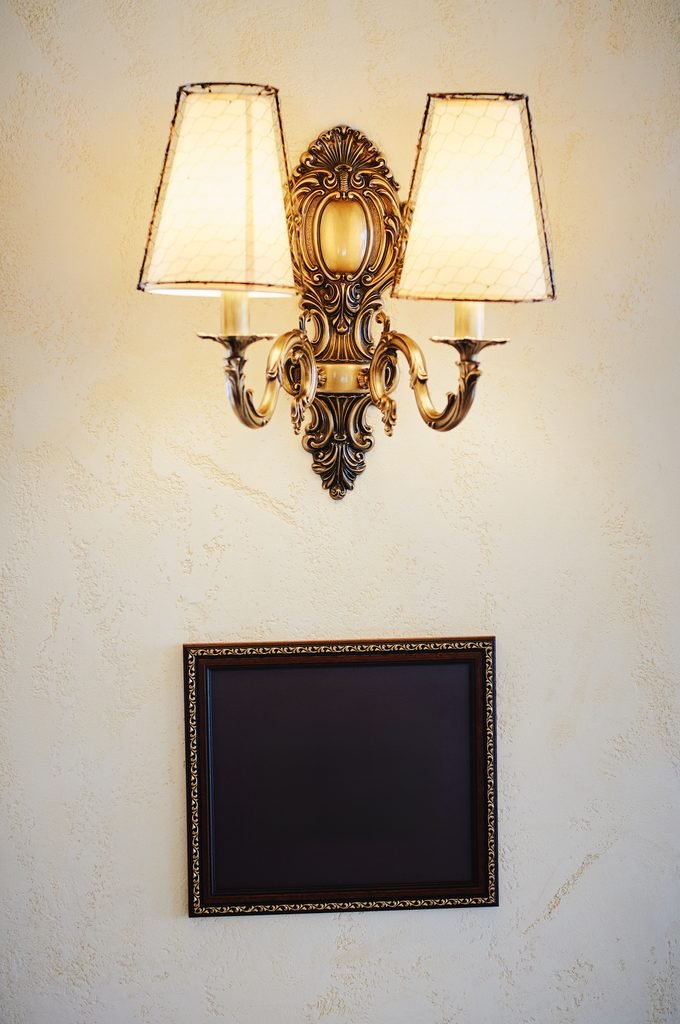
A pair of traditional brass wall lights can frame a mirror or doorway beautifully. A little table lamp on an antique console adds another layer of warmth, particularly in the evening.
Look for fabric shades, aged brass, bronze finishes or simple opal glass.
These materials tend to complement old-world interiors without competing with the furniture and architectural details.
Warm-white bulbs can make the difference between a space that feels inviting and one that seems rather clinical.
And if installing wall lights is impractical, a single attractive table lamp can provide much of the same atmosphere.
There is something very welcoming about returning home to a softly illuminated hallway rather than a dark corridor or a harsh overhead light.
5. Embrace Oxblood, Olive and Antique Cream
Colour is one of the easiest ways to introduce the feeling of a historic European interior.
While pale walls are beautiful, old-world hallways can also accommodate surprisingly rich and expressive colours.
Think of deep oxblood red, muted olive green, tobacco brown, charcoal or warm antique cream.
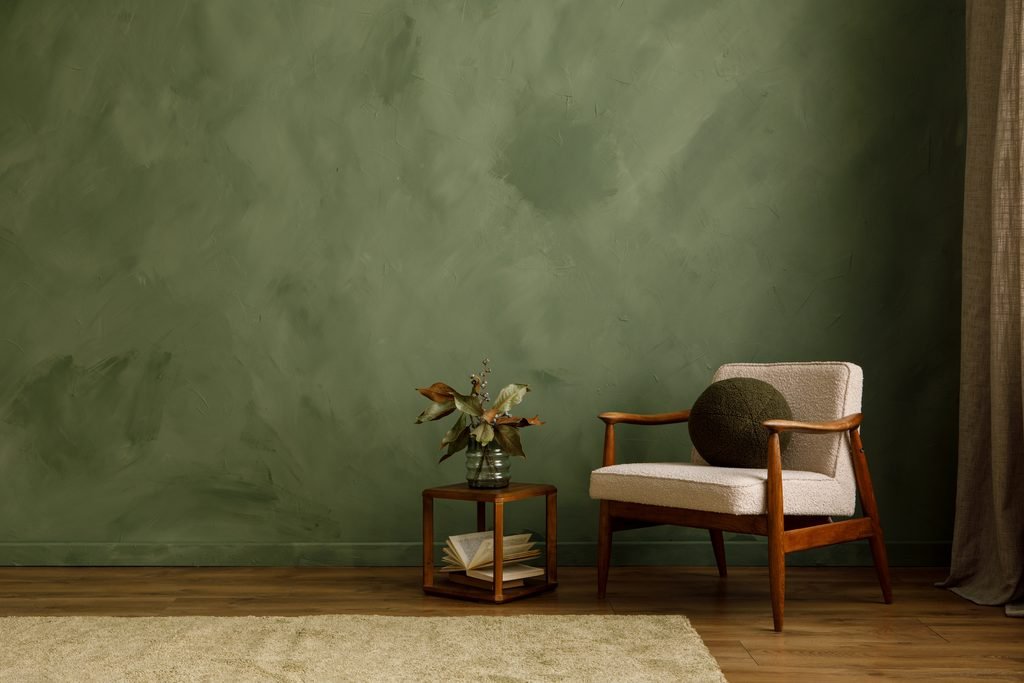
These shades work particularly well with dark timber furniture, aged brass, vintage artwork and traditional floor coverings.
A deep red hallway can feel intimate and dramatic, especially when it leads into lighter rooms beyond. Olive green creates a quieter atmosphere, while antique cream provides a versatile background for mirrors, artwork and decorative mouldings.
For smaller spaces, there is no need to automatically avoid darker colours.
Sometimes a narrow hallway becomes more appealing when its proportions are embraced rather than disguised.
Painting the walls, skirting boards and doors in similar tones can create a beautifully cohesive effect.
Alternatively, keep the walls warm and neutral, allowing colour to come through a patterned runner, upholstered bench or collection of framed pictures.
An old-world hallway colour palette
Oxblood
Olive
Antique Cream
Walnut
Charcoal
If you enjoy decorating with atmospheric European colours, our guide to Art Nouveau colour palettes inspired by Europe’s most beautiful interiors offers plenty of ideas for combining rich tones with elegant decorative details.
6. Soften the Space with a Vintage Runner
A beautiful runner can make an otherwise ordinary hallway feel wonderfully established.
In older European homes, rugs often provide the softness and warmth that balances stone floors, dark timber furniture and formal architectural details.
For an old-world hallway, consider a traditional Persian-style runner, a faded Turkish rug or a gently patterned vintage design in muted reds, blues and earthy neutrals.
The colours need not match the rest of the room exactly.
In fact, a little contrast often makes the space feel more collected and interesting.
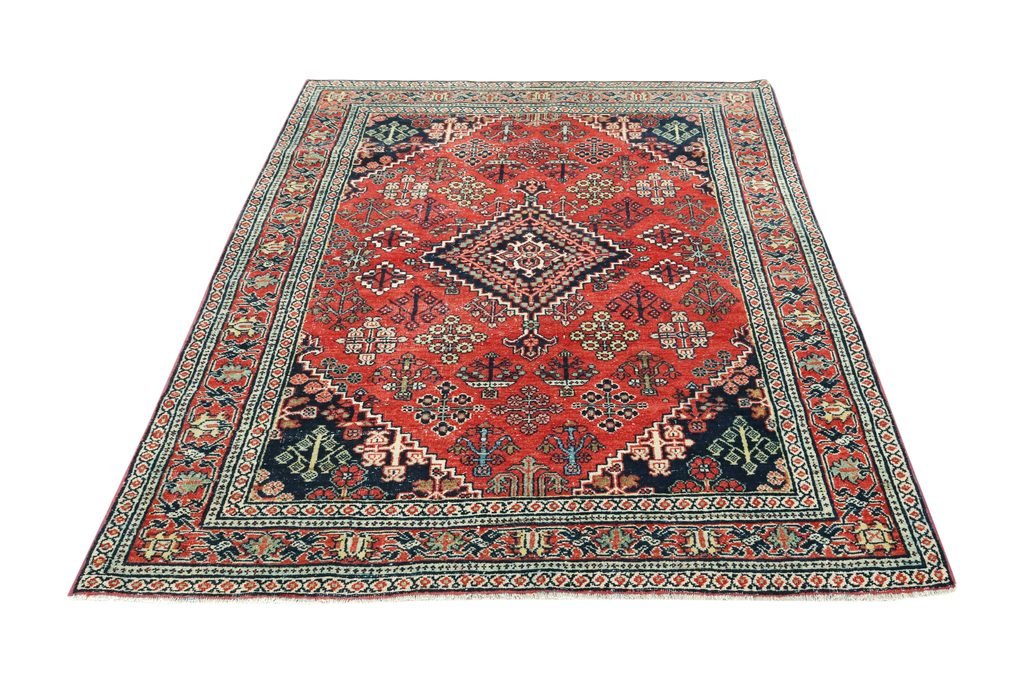
A rich red runner against warm timber floors can be particularly beautiful, while an antique cream and blue design may provide a quieter atmosphere.
The trick is choosing something with enough character to stand on its own.
Avoid overly perfect patterns or colours that look completely uniform if you are hoping for a more lived-in European feel.
Make sure the runner is appropriately sized for the hallway, with enough floor visible on either side to create a sense of balance. Use a suitable non-slip underlay so it stays securely in place.
It is a relatively simple addition, but one that can bring enormous warmth and personality to an entrance.
7. Decorate with Framed European Prints and Collected Artwork
One of the most appealing qualities of older European homes is the sense that their interiors have evolved over time.
Artwork is rarely limited to a single matching collection.
Instead, a hallway might feature an old landscape painting, a framed architectural engraving, a small portrait and a print discovered at a market many years earlier.
This approach works beautifully in a contemporary entrance.
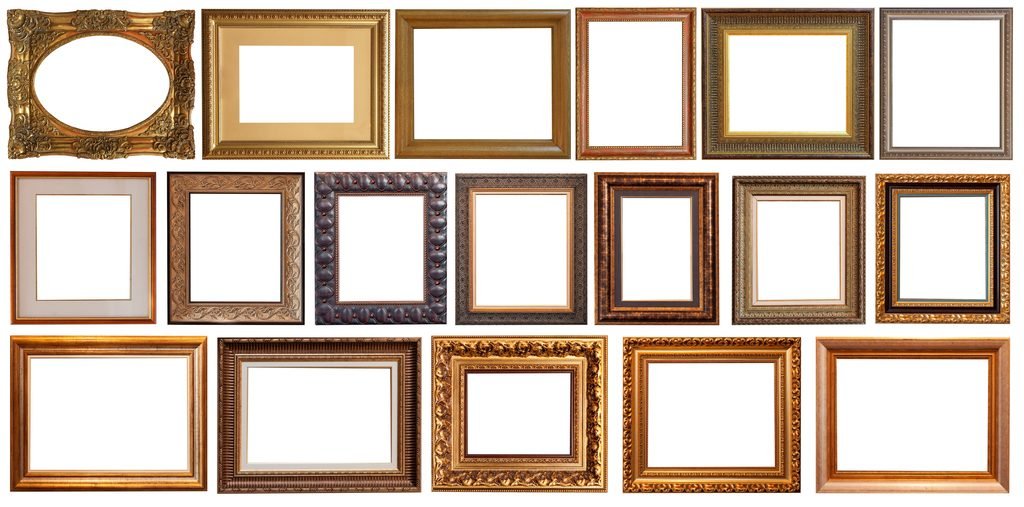
Rather than buying several identical frames, consider mixing timber, aged gold, dark bronze and simple black finishes.
Look for vintage botanical illustrations, European architectural sketches, old maps, landscapes or prints inspired by historic cities.
Even a narrow corridor can accommodate a small gallery wall.
The arrangement can be carefully balanced without looking overly symmetrical, allowing different sizes and styles to sit comfortably together.
For a particularly charming effect, choose artwork that feels connected by mood rather than subject.
A muted oil painting, an engraving of a Parisian street and an old botanical print may have very little in common, yet share the same sense of history and quiet elegance.
The result feels less like a decorating project and more like a collection gathered across a lifetime.
8. Add Architectural Character with Panelling and Picture Rails
Architecture plays an important role in the charm of a European townhouse.
Even relatively simple hallways often feature decorative cornices, wall panelling, substantial skirting boards or traditional door surrounds.
These details introduce a sense of proportion and permanence.
Fortunately, some of that character can be recreated without a major renovation.
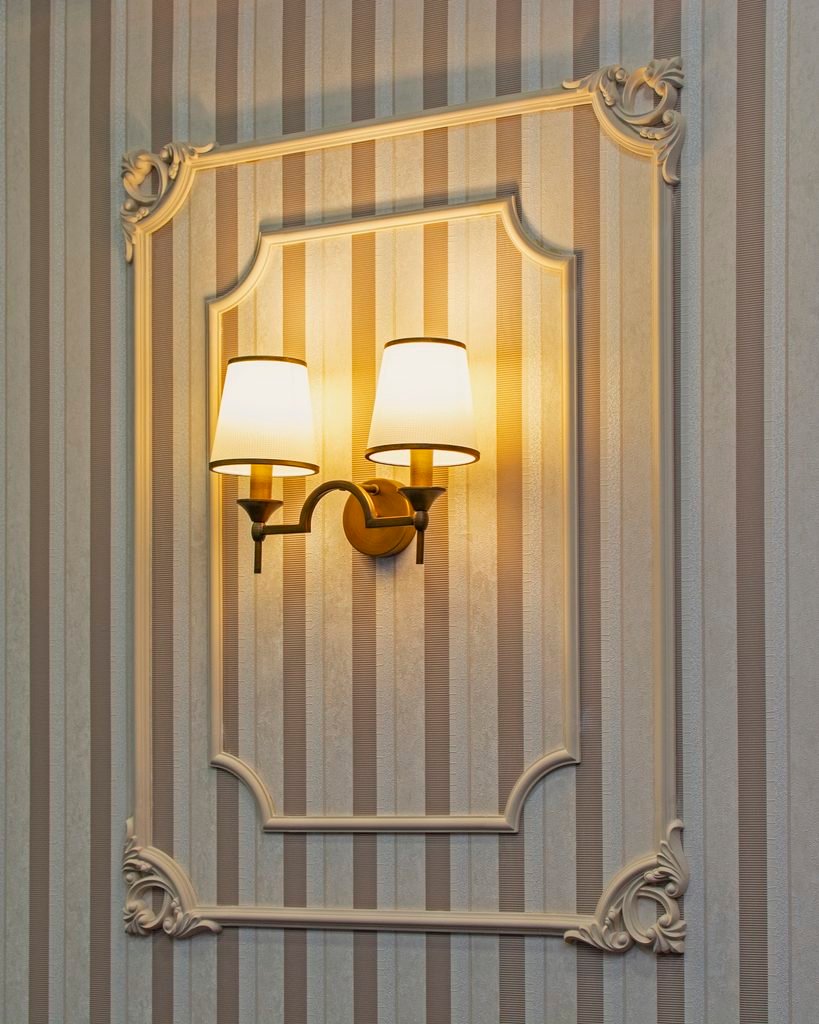
Simple wall mouldings can give plain plasterboard walls a more traditional appearance. A picture rail adds another architectural line and offers an attractive way to display artwork.
Half-height panelling can be especially effective in a hallway, providing visual interest without overwhelming a small space.
For a restrained look, paint the mouldings and walls in the same soft cream or muted green.
Alternatively, use a slightly darker colour beneath a picture rail to create contrast.
The most convincing results usually come from keeping the details appropriate to the scale of the room.
A narrow hallway does not need elaborate ornamental plasterwork to feel elegant.
Sometimes a simple picture rail, carefully proportioned moulding and beautifully painted door are enough.
For more inspiration, our article on decorating with picture rails and traditional architectural details explores how these small additions can bring old-world charm to modern interiors.
9. Finish with a Characterful Coat Rack, Umbrella Stand or Bench
A hallway should be beautiful, but it also needs to function.
One of the pleasures of historic interiors is the way everyday objects can become part of the decoration.
An old bentwood coat stand, a brass umbrella holder or a narrow timber bench can introduce as much character as a piece of artwork.
Look for objects with interesting shapes and materials.
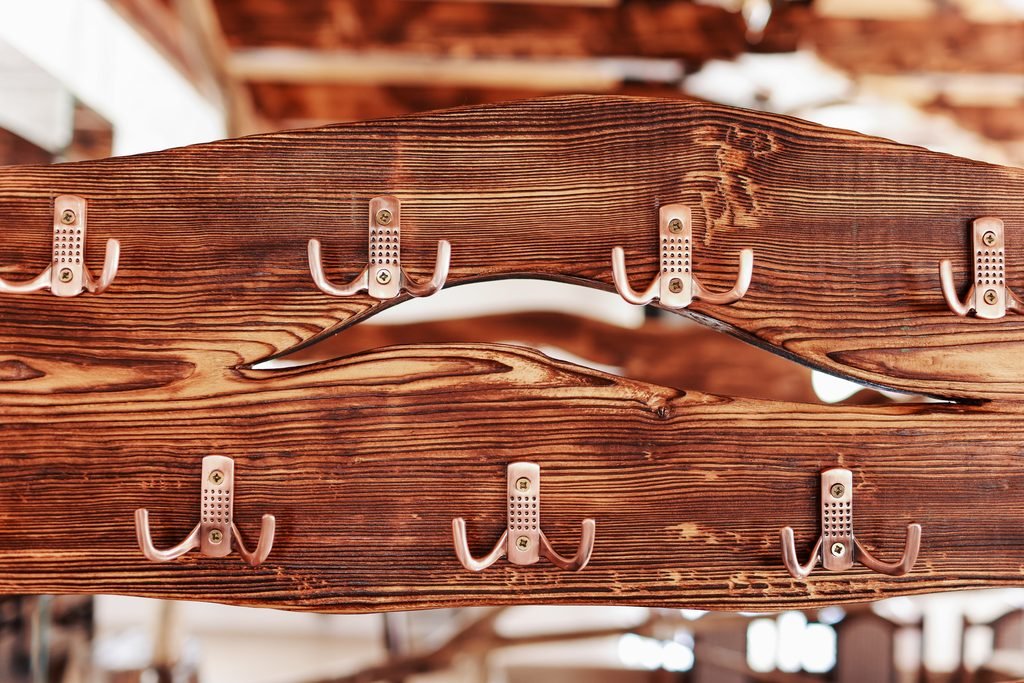
A vintage coat rack with curved timber hooks feels completely different from a modern wall-mounted rail. An aged copper umbrella stand adds warmth and texture, while a small upholstered bench offers somewhere convenient to sit while putting on shoes.
These pieces can be particularly useful when storage space is limited.
In a very narrow hallway, wall hooks may be more practical than a freestanding coat stand, especially if mounted on attractive timber backing or beneath a traditional shelf.
Try to avoid filling every available corner.
One or two useful objects with genuine character will generally look more appealing than a collection of decorative accessories that serve little purpose.
After all, the most successful old-world interiors are not simply beautiful to look at.
They are places designed to be lived in.
How to Create an Old-World Hallway Without Spending a Fortune
The wonderful thing about this style is that it rarely requires everything to be new.
In fact, buying an entire collection of matching furniture and accessories can sometimes work against the relaxed, layered atmosphere we associate with historic European homes.
Start with the things that will have the greatest visual impact.
A beautiful second-hand mirror, an interesting console table or a vintage runner may completely change the feeling of an entrance.
Then consider the smaller details.
Replacing modern hooks with traditional brass ones, adding a warm lamp or painting the walls in a more atmospheric colour can make a surprising difference.
Antique shops, second-hand furniture stores, local markets and online marketplaces can be particularly rewarding places to search.
And do not feel that everything needs to happen at once.
Some of the most memorable homes are the ones that have been decorated gradually, with objects chosen because they are genuinely loved rather than because they belong to a particular trend.
A Few Final Thoughts
A beautiful hallway sets the tone for everything that follows.
It offers a glimpse of the home’s personality before you have even reached the living room.
And while the grand entrances of Parisian apartments, London townhouses and historic European homes may provide the inspiration, recreating their atmosphere is often much simpler than it first appears.
A little warm lighting. An antique mirror. A narrow timber table. A rug that looks as though it has already enjoyed a long life.
Perhaps a favourite painting, an old brass coat hook or a small bowl waiting for your keys.
None of these things needs to be particularly expensive or elaborate.
Together, they create something rather special: an entrance that feels welcoming, personal and quietly timeless.
Because an old-world hallway is not really about making your home look like a museum or an expensive European hotel.
It is about capturing that wonderful feeling of arriving somewhere with character.
Somewhere that makes you happy to come through the front door.
For more European-inspired interiors, explore our guides to old-world dining rooms, boutique hotel bedrooms, atmospheric reading nooks and Art Nouveau colour palettes.
Britt & Tyler
We’re Britt and Tyler, the two Australians behind Cocktails & Cathedrals. We’re drawn to old buildings, beautiful rooms, bookshops and places that seem to hold a story. Our journal brings those interests together, with a fondness for slow afternoons and a well-made cocktail. We hope it helps you find places you’ll want to linger.
Travel slowly. Stay beautifully.
A little more about us →